


Scrub pine, also called sand pine, is a small to medium-sized evergreen conifer endemic to the sandy, well-drained scrub habitats of Florida and southern Alabama. It is uniquely adapted to fire-prone ecosystems, with serotinous cones that remain closed for years until opened by the heat of a wildfire.
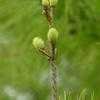
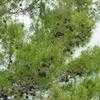
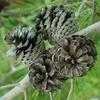
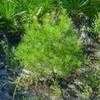
Grows 20–40 feet tall, often with a twisted, irregular trunk and open, irregular crown. Needles in fascicles of 2, 2–3.5 inches long, twisted, yellow-green. Cones are 2–3.5 inches, asymmetrical, strongly serotinous (remain closed until heated by fire). Bark is thin, scaly, gray-brown. Two varieties: var. clausa (Ocala sand pine, serotinous cones) and var. immuginata (Choctawhatchee sand pine, non-serotinous).
Dominant in Florida scrub, a rare, fire-maintained ecosystem on ancient sand dunes. Provides critical habitat for endangered species like the Florida scrub-jay and gopher tortoise. Fire kills the tree but releases seeds for regeneration.
Ecological restoration, native plant collections, specialty conifer gardens. Not commonly used in ornamental horticulture due to irregular form and fire association. Wood used for pulp and fuel.
Lychee (Litchi chinensis): Tropical Fruit Delicacy
Lemon Tree: The Classic Citrus for Fruit, Fragrance & Foliage
Scots Pine (Pinus sylvestris): Classic Eurasian Conifer
Chonta Palm (Juania australis): Rare Chilean Palm
European Hornbeam (Carpinus betulus): The Classic Hedge & Shade Tree
Plumeria pudica: The Everblooming, Evergreen Frangipani
Durian (Durio zibethinus): The King of Fruits—Love It or Hate It
Hosta plantaginea: The Fragrant Species with Giant White Flowers
Comfortroot (Hibiscus aculeatus)
Hibiscus hamabo: Coastal Species
Mandrinette – Hibiscus boryanus
Furcraea macdougalii: A Giant, Trunk-Forming Relative of Agave
Washingtonia × filibusta: The Hybrid Fan Palm for Marginal Climates
Saw Palmetto (Serenoa repens): Native Palm for Wildlife and Medicine
Copyright © www.100flowers.win Botanic Garden All Rights Reserved