

Utricularia gibba Basics: Easy Aquatic Bladderwort for Beginners
A Michigan grower new to Utricularia gibba asked for general care instructions and resource recommendations. Jake from the CP Forum confirmed that U. gibba is a fast, easy aquatic bladderwort. Key needs: Rainwater or d

Reviving a Weak Cephalotus: Humidity, Superthrive, and Nursery Accountability
A Georgia grower received a Cephalotus Hummers Giant from another nursery with pale, weak leaves. They kept it in partial shade in its shipping pot and asked for recovery advice. Jeff Dallas recommended: Boost humidity
Repotting Venus Flytraps: Silica Sand Substitutes and the 5:3:2 Mix Myth
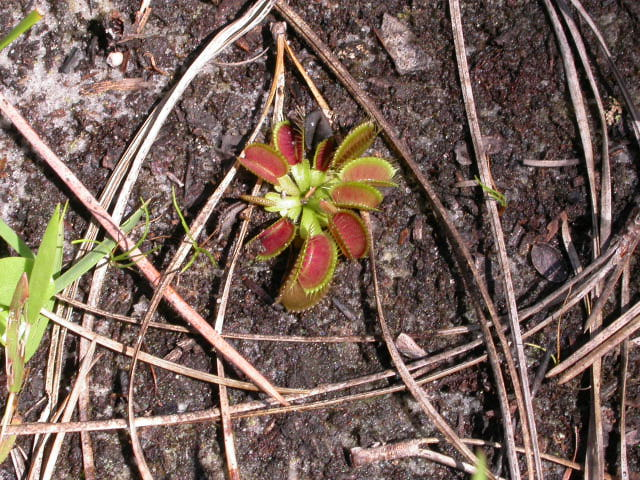
A grower in South Africa wanted to repot a Venus flytrap using a 5:3:2 peat:silica sand:perlite mix but couldn’t find true silica sand—only coarse, gray, stone-like material. They asked if that would work or if sand was
Building a Carnivorous Plant Terrarium: Lighting, Soil, Dormancy & Common Mistakes
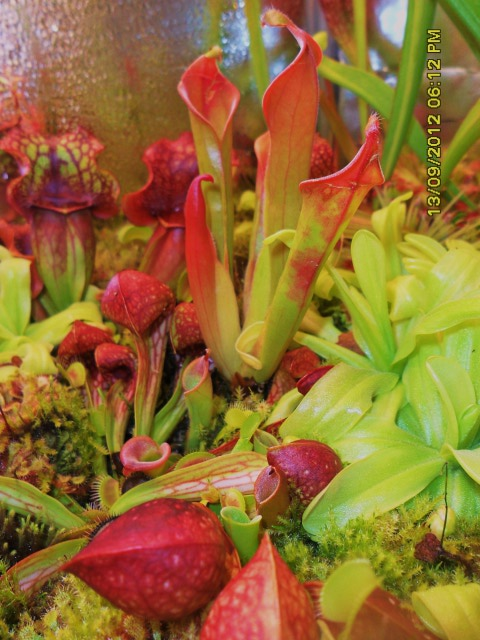
A beginner in Phoenix, AZ, planned a 10-gallon carnivorous plant terrarium with drainage layers (river rock, landscape cloth, charcoal), a peat-perlite mix, and two 10-watt 6500K CFLs. They wanted to grow Venus flytraps
Growing Utricularia gibba: Water, Maintenance, and Fountain Fixes
A Michigan grower asked for care guidance on Utricularia gibba kept in a 10-gallon container with a fountain. They were using spring water, unsure about cleaning frequency, and the fountain pump kept sucking in peat moss
Why Nepenthes Stop Pitchering After a Move and How to Fix It
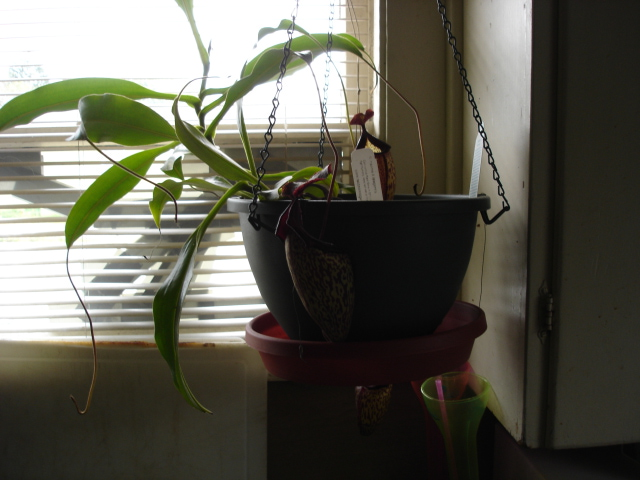
A grower in Temecula, California, reported that two Nepenthes hybrids (N. maxima × talangensis and N. ventricosa × ramispina) lost all their pitchers after relocating from humid Eureka in northern California. Despite dai
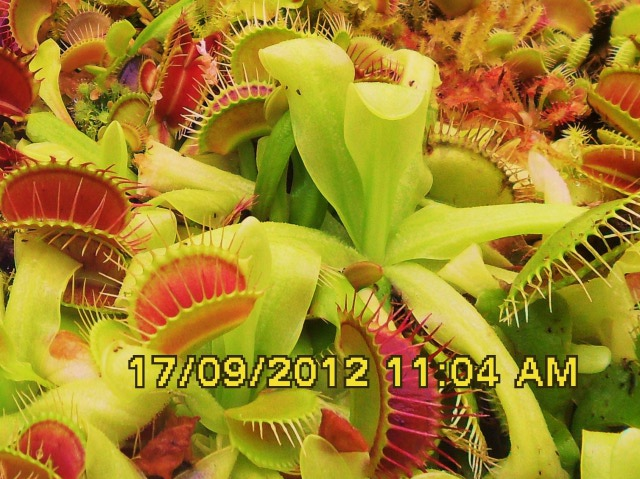
Rescuing Mexican Pinguicula After Fungicide Damage in a Terrarium
A hobbyist wrote in about their Mexican Pinguicula terrarium that developed mold. After researching online, they applied Daconil fungicide to the soil surface with a paper towel, believing it was safe for carnivorous pla
Cape Sundew Cooked by Plastic Bag: Remove Bag, Move Indoors Under Lights
Plastic bag over D. capensis in sun created lethal heat. Remove bag immediately. Move indoors under lights or keep outside without bag. Lighting guide: CP Forum.
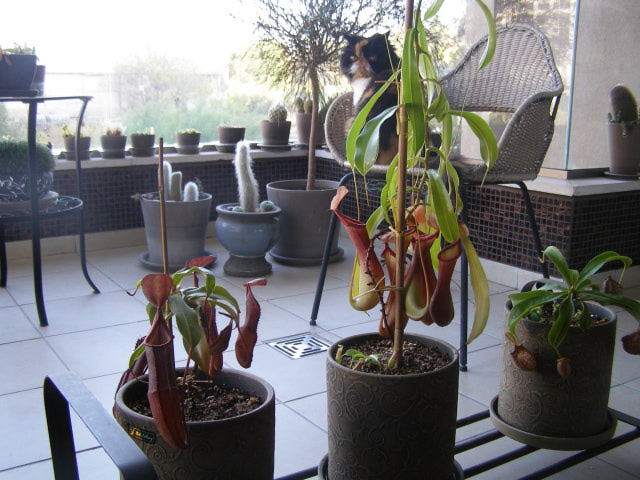
Two Unidentified Nepenthes: N. ventrata Clone (deRoose Alata) and Dark N. sanguinea
Tall plant = N. × ventrata (likely deRoose Alata clone). Short, dark-pitchered plant = dark form of N. sanguinea. Hybrid ID is always approximate. Resource LHNN Forum for detailed ID help.
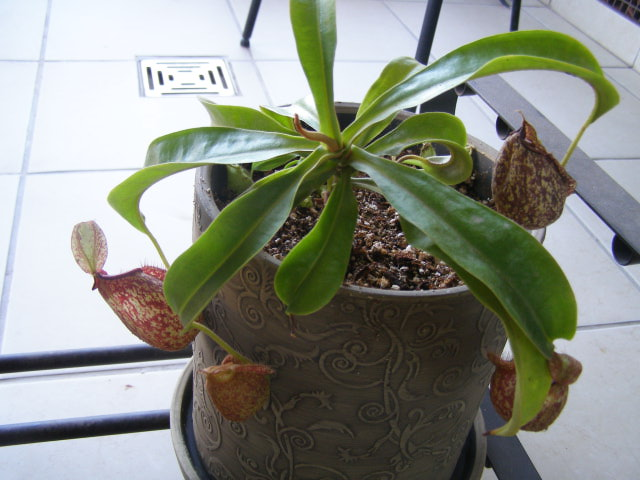
Unidentified Nepenthes: Likely N. ampullaria Hybrid—Consult Specialist Forum
Photo suggests N. ampullaria hybrid or N. sibuyanensis. Hybrid ID is imprecise. Best resource: LHNN Forum for expert ID.
Watering Carnivorous Plants During Vacation: Automated Systems Unreliable—Hire a Person
1–3 week auto-watering is risky: timers fail, lines clog. Best solution: hire a trusted person to water. Claber 8053 timer works but needs refill for 3 weeks. If You Must Automate Use adjustable drip lines. Test thorou
Nepenthes sibuyanensis Compatibility: Likely Fine With Your Current Conditions
If N. ovata and N. truncata × tivey × ventricosa thrive, N. sibuyanensis should too. Its humidity-sensitive but your setup (bright shade, distilled water, LFS/peat) sounds suitable.
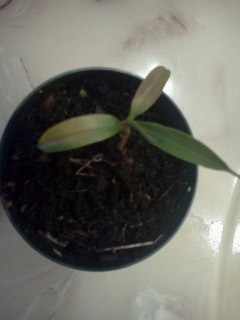
Springtails in Nepenthes jamban Soil: Treat with Naxtria or Systemic, Don't Repot
Gray insects on soil = springtails. Naxtria (sulfur + pyrethrin) is safe; repeat per label. If fails, use systemic (imidacloprid). Dont repot—root disturbance risks shock.
Carnivorous Plant Science Project: Fast-Growing Sundews for 45-Day Study
45 days is short for CPs. Best bets: Drosera capensis, D. adelae, D. binata—fast, dramatic changes in optimal conditions. N. alata possible with high heat/humidity.
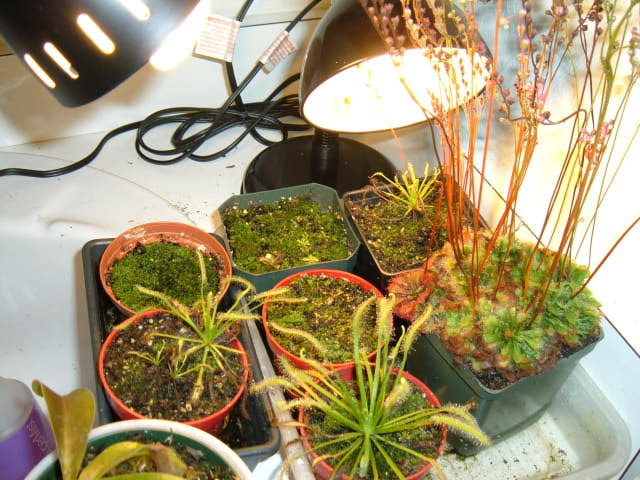
Drosera intermedia Wilting After Purchase: Contact Seller First—Could Be Dormancy or Pathogen
New D. intermedia wilting in a windowless bathroom with CFLs: contact seller (30-day guarantee). Could be temperate variety entering dormancy, or soil pathogen. Clarify variety and original conditions. Immediate Steps
Nepenthes coccinea & sanguinea Not Pitchering in UK: Light Is the Issue
North window in Leicester = insufficient light. Nepenthes need several hours direct sun or 12,000+ lumen artificial light. Humidity (even 20%) doesnt matter if light is low. Move to south window or add LEDs. Timeline 3–
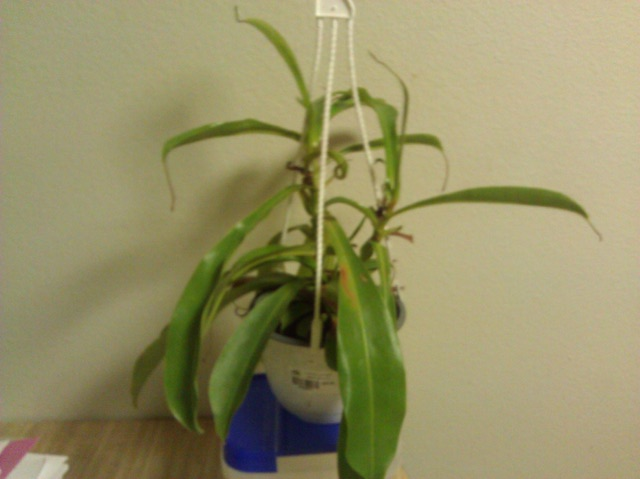
Nepenthes alata Loses Last Pitcher: No Problem—Focus on Light
Accidentally cutting the last pitcher is harmless. The plant survives on photosynthesis. Maximize light (south window, direct sun) to fuel new pitcher growth. No fertilizer needed yet. Optional Pitcher feeding or dilute
Indoor Light Timing for Carnivorous Plants: Sudden Seasonal Changes Are Fine
Switching photoperiod abruptly (e.g., 16 hrs → 12 hrs at solstice) is acceptable. Hormonal changes take weeks; ambient window light softens the transition. Nursery does it all at once.
Scale Insects on Sarracenia: Clip Leaves, Use Neem Oil, and Enforce Dormancy
White fluffy bugs with red hemolymph on Sarracenia are scale. Best control: clip all infested leaves before winter dormancy. Neem oil + pyrethrins works too. Sarracenia must have winter dormancy (40–60°F, short days) or
Nepenthes maxima × talangensis in Puerto Rico: Night Temps May Limit Pitchering
At 94°F day / 64°F night with 70–80% humidity, N. maxima × talangensis may lack sufficient night cooling (ideally <60°F) to pitcher well. It pitchers prolifically in summer at the nursery (90s day, 50s night). Adjustmen
Copyright © www.100flowers.win Botanic Garden All Rights Reserved