


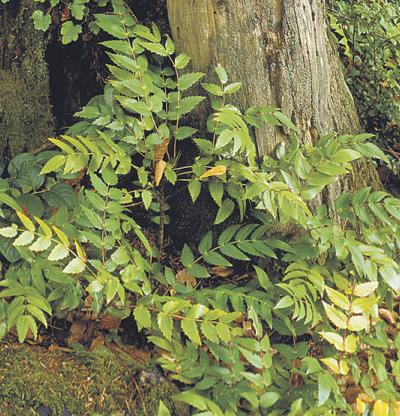
This 2-foot-high evergreen shrub native to Pacific Northwest woods gives shady areas three seasons of interest. Erect racemes of clear yellow flowers rise in spring. Long, elegant compound leaves with spiny edges turn lovely wine-red in fall. Summer brings clusters of berries maturing to dark blue with a powdery whitish coating.
Spreads very slowly by stolons. Three seasons of interest. Grows in shade.
Grows very slowly by stolons, so plant at desired density. Needs slightly acidic soil rich in organic matter and shelter from severe weather, especially desiccating winter winds. Does not tolerate soggy conditions but thrives in dry shade once established.
Sow seeds outdoors in autumn or as soon as ripe, stratifying to enhance germination. Root semi-ripe or leaf-bud cuttings from late summer to autumn.
Rust, leaf spots, galls, scale insects, and whiteflies.
Best Grass for Shade: Fine Fescue and Grass-Like Alternatives
Plants for Deep Shade: Hostas, Skimmia, Camellias, and Groundcovers
Shade Tree Alternatives to Maple, Oak, and Poplar
Greenhouse Winter Prep for Highland Nepenthes in Oregon
Best Soil Mix for Perennials and Shade Plant List
Mahonia: Winter-Blooming Evergreen Shrubs for Shade
Mahonia nervosa: Cascades Mahonia – Dwarf Oregon Grape for Deep Shade
Japanese Cobra Lily (Arisaema sikokianum): Chocolate Spathe with Milk-White Interior
Ornamental Cabbage (Brassica oleracea): Colorful Rosettes for Fall and Winter
Campanula 'Pink Octopus': Spreading Pink Flowers for Dry Shade
Astilbe: Feathery Plumes for the Summer Shade Garden
Shade-Tolerant Fescue Blends: Winter Beauty but Summer Decline Under Deepening Shade
Copyright © www.100flowers.win Botanic Garden All Rights Reserved