


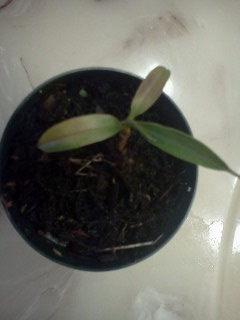
A Nepenthes jamban suffered shock after being moved outdoors for summer, then repotted in July, and finally brought back inside. The older leaves showed burn, but the newest leaf looked healthy. The grower had also applied ¼ tsp orchid fertilizer.
Jeff Dallas advised patience—N. jamban is slow-growing. He shared a tip from a local grower: water with normal-strength cold coffee once every two weeks, then flush thoroughly with pure water the next day. This anecdotal method reportedly outperformed fertilizer alone. Dallas hadn’t replicated it successfully in winter greenhouse conditions but encouraged the grower to try and report back.
In a follow-up, the grower asked if French Roast from Starbucks would work. Dallas said any coffee is acidic (likely part of the benefit), but a medium or light roast may provide more tannins and less charred material. The original test used a quality medium-roast coffee.
Identifying a Gubler's Orchids Nepenthes: Likely N. sanguinea
Mold on Nepenthes sanguinea Pitchers: Harmless Nectar Mold
Nepenthes Stems Turning Brown at Base: It's Bark, Not Death
Nepenthes miranda Flowering and Leaf Loss: Normal Vine Maturation
Acclimating a New Nepenthes: Humidity Shock Recovery
Nepenthes ampullaria: Terrarium Necessity Depends on Your Climate
Drosera × hybrida Early Dormancy Is Normal
Growing Small Nepenthes in a New York Greenhouse
Pruning an Overgrown Nepenthes spathulata in a Terrarium
Identifying the Nepenthes Hybrid in the "Asian Pitcher Plant Hybrids" Website Image
Accelerating Nepenthes khasiana Growth: Light, Temperature, Soil, and Foliar Feeding
Pruning and Repotting Large Nepenthes: Best Practices
Rescuing an Overwatered Nepenthes sanguinea: Drainage and Stability
Copyright © www.100flowers.win Botanic Garden All Rights Reserved