
Late-Summer Drosera filiformis/tracyi Dieback: Normal Seasonal Decline
A Vancouver, WA grower’s D. filiformis hybrids and D. tracyi showed outer leaf dieback despite healthy centers and new growth. Plants outdoors in full sun, constant distilled water, daily top-watering in heat. Jeff Dall

Venus Flytrap Decline in Vancouver: Hard Water (220 ppm) Is the Culprit
A Vancouver grower’s flytrap declined despite full sun (11am–7pm) and peat/perlite. Water report: 120–220 ppm TDS. Neighboring Sarracenia thrived. 120 ppm is too hard for flytraps; ≤50 ppm is safe. Switch to distilled/R
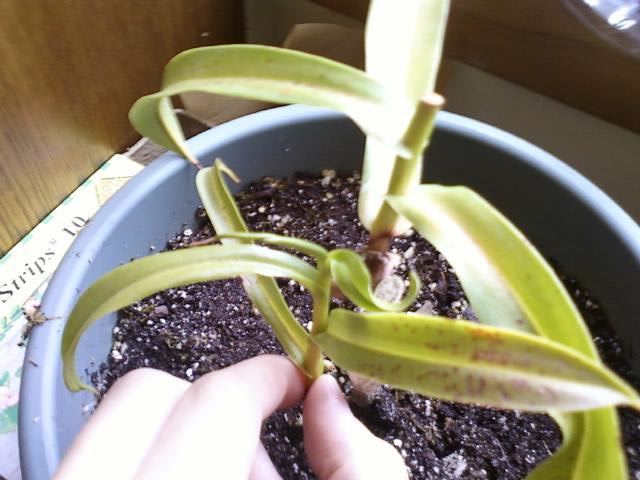
Nepenthes 'Lady Pauline' Loved to Death: Stability, Soil, Water, and the Fan Mistake
A New York grower tried to save a friend’s N. × Lady Pauline that had been moved repeatedly (bathroom window → greenhouse burn → porch → window with fan). Leaves grew twisted and short; a cutting was rooted in water. Je
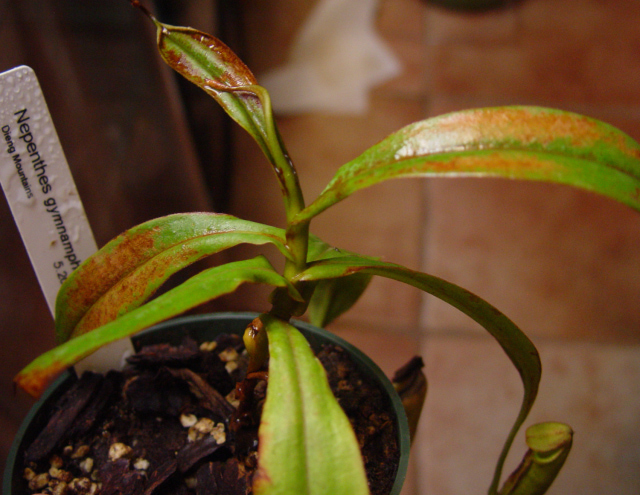
Nepenthes Leaf Damage in High-Desert Enclosures: Thrips Strike Again
A New Mexico grower’s Nepenthes in large tented enclosures (80–90°F day, 70°F night, 50–90% humidity, bright light) developed reddish-brown curling new growth and hard brown scabs on leaves. Jeff Dallas diagnosed thrips
Humidity Trays for Nepenthes in Utah: Tap Water Is Fine
A Utah grower with very low humidity asked whether to use tap or distilled water in a humidity tray/humidifier for a new Nepenthes. Jeff Dallas said: as long as the plant doesn’t absorb the water into its soil (i.e., no
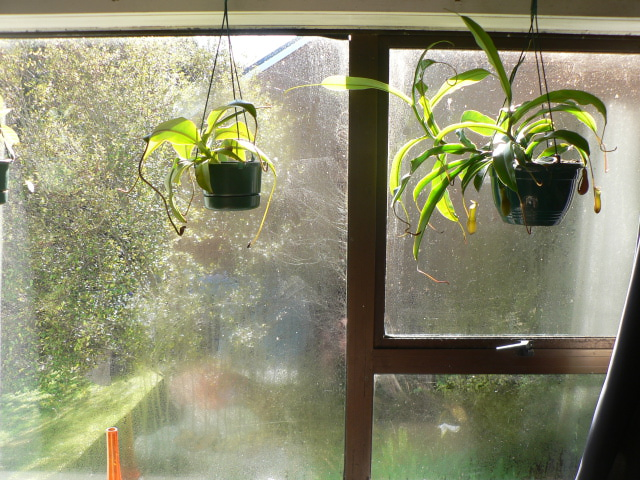
Nepenthes Not Pitchering? Lower the Plant in the Window
A grower’s Nepenthes in a high window got dawn–2pm direct sun but no pitchers. Photos showed plants hanging in the upper window. Jeff Dallas spotted the issue: angle of incidence. High-hanging plants receive far less li
Pruning Dead Nepenthes Pitchers and Venus Flytrap Traps: When and How
A grower asked if dead Nepenthes pitchers in a hard-to-prune terrarium can be left, and whether cutting a green petiole on a dying flytrap trap harms the plant. Answer: Most Nepenthes adapt to open pots (40–50% humidity
Water in Pitcher Plants: Which Species Need It, Which Don’t
A grower asked if they should add rainwater to newly arrived “Picture plants” (cobra, flava, etc.) or wait for new growth. Jeff Dallas corrected the name: Pitcher Plants (think water pitcher). Only Sarracenia purpurea a
Building a Microbog in a Chicago Kitchen Sink: Drainage, Hardy Species, and Winter Mulching
A Chicago (zone 5a) grower planned a microbog using an old double-bowl enamel sink (9×14″, 8″ deep) buried flush. They asked about drainage, plant capacity, hardy species, and fall vs. spring planting. Jeff Dallas advis
Drosera capensis Seedlings Yellowing: The 24-Hour Light Mistake
A grower’s D. capensis seedlings (in sphagnum, 1″ standing water, 24/7 fluorescent light) were turning yellow but not dry or droopy. Jeff Dallas diagnosed: plants need a night cycle. Set a timer for 14 hours on / 10 hou
Germinating Nepenthes Seeds: Live Sphagnum Moss Beats Coir
A grower asked about using coir for Nepenthes seeds after mixed results with long-fiber New Zealand sphagnum. They’d had good germination with N. glabrata and N. aristolochioides on sphagnum. Jake recommended live sphag
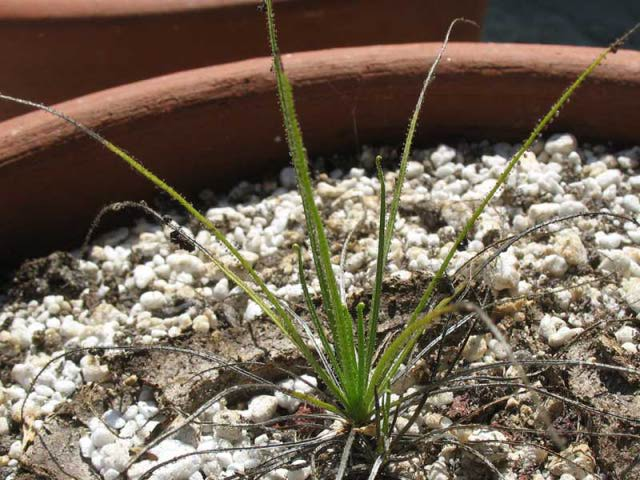
Drosophyllum in Southern California: Low Humidity Shock and Indoor Rescue
A Zone 9 grower’s Drosophyllum yellowed at leaf edges during a 20% humidity, 80–90°F heatwave. Plant: 10″ terracotta, peat/sand/perlite, 8 hrs full sun, watered every 2–3 days. Jake (not a Drosophyllum specialist) suspe
Cephalotus Botrytis Crisis: Humidity, Temperature Drop, and Daconil Regret
A grower’s Cephalotus developed botrytis (gray mold) on pitchers after two weeks under a humidity dome. They removed the dome, added a 40W CFL, and applied Daconil—after which the plant looked worse. Tiny green pitchers
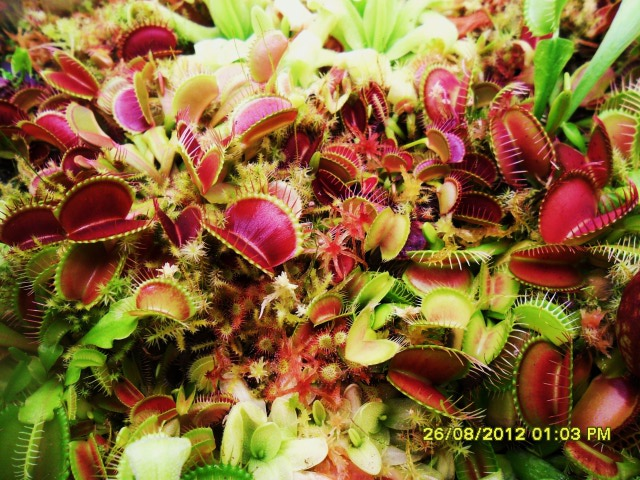
Optimizing a 10-Gallon Mexican Pinguicula Terrarium: Light, Humidity, and Moss
A grower detailed their 10-gallon Pinguicula terrarium: chrome reflectors, LECA drainage, FlyTrap Store mix, aeration tubing for water-table access, small fan, reptile hood with two 25W daylight CFLs. Plants (cyclosecta,
Overwintering Alaskan Drosera rotundifolia in Southern California: Ice Chest vs. Refrigerator
A Southern California grower (zone 10b) bought wild-collected Drosera rotundifolia from an Alaskan supplier. The plants formed winter buds (not gemmae) in warm autumn and needed a long, cold dormancy. Jeff Dallas outlin
Fungus in a Bog Garden: Safe Fungicides for Carnivorous Plants
A West Virginia grower with a window-box bog saw three Venus flytraps declining—traps blackening, leaves dying back. With a plant pathology background, they suspected fungus and asked for safe fungicides. Jake directed
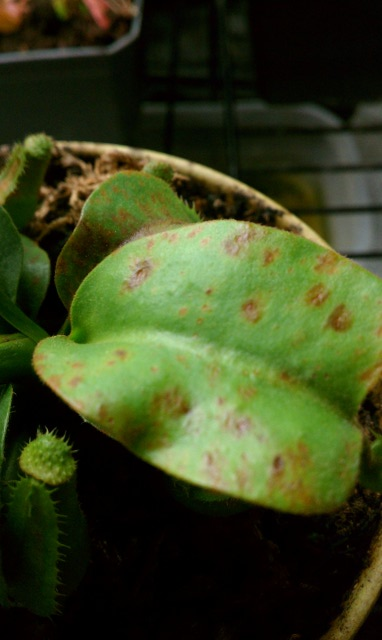
Nepenthes truncata Spots: Light Color vs. Fungus vs. Pest Damage
A grower posted photos of reddish spots on N. truncata, unsure if fungus, bugs, or light response. An expert (Jake) explained: reddish/orange/purple spots in bright light are normal pigmentation. Fungus often grows on d
Drosera spatulata Turning Brown: Dormancy Myth, Sun Acclimation, and Watering
A Georgia grower’s tiny Drosera spatulata was browning under UVB light and daily misting. They feared dormancy or overwatering. Jake clarified: D. spatulata is tropical—no dormancy needed. Browning can be sunburn from s
Nepenthes ventricosa on a Connecticut Windowsill: Humidity Is the Key
A Connecticut beginner asked if N. ventricosa can thrive on a windowsill in a cold, dry home, or if a bottle terrarium is needed. Jake from the CP Forum said: if you can maintain ~70% humidity indoors, a sunny window wo
Choosing a Pitcher Plant for a Hawaiian Kitchen: Nepenthes ventrata and Light Needs
A Hawaii resident wanted a small pitcher plant for a northwest-facing kitchen with moderate humidity and warm temperatures. An expert recommended Nepenthes ventrata as a tough, adaptable starter that stays manageable wi
Copyright © www.100flowers.win Botanic Garden All Rights Reserved