

Drosera rotundifolia Varieties: Geographic Differences and Self-Pollination
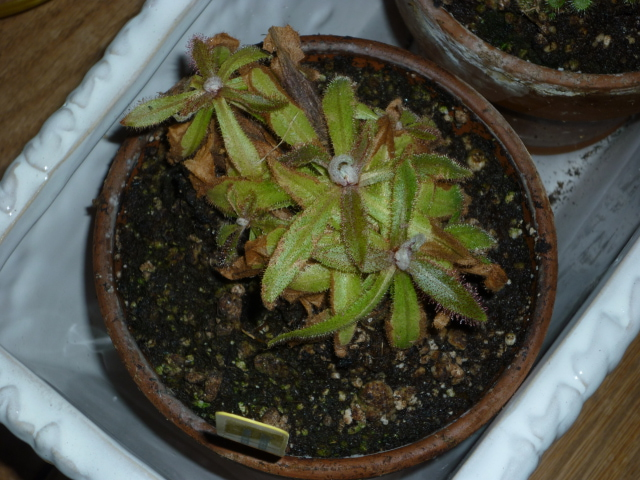
Natural Variation Across Its Vast Range Drosera rotundifolia (round-leaved sundew) is the most widely distributed sundew species globally. Populations from different regions show distinct traits, but they remain a single

Acclimating Indoor Carnivorous Plants to Outdoor Conditions: A Step-by-Step Guide
Why Acclimation Is Critical Moving plants from a stable indoor environment (artificial light, consistent humidity/temperature) to the outdoors exposes them to intense direct sunlight, wider temperature swings, lower humi
Why Aquarium Water Harms Carnivorous Plants & Proper Sundew Division Techniques
The Problem with Aquarium Water Using freshwater aquarium water for carnivorous plants—even clear water from well-maintained tanks—is detrimental. While it may lack visible waste, aquarium water contains high levels of d
Utricularia vulgaris Dormancy: Essential Requirements for Bladderwort Survival
Understanding Dormancy in Utricularia vulgaris Utricularia vulgaris, commonly known as common bladderwort, is a cold-climate aquatic carnivorous plant that survives harsh winters by forming specialized structures called
Preparing Dried Sphagnum Moss for Carnivorous Plant Soil: Identifying Safe Moss and Removing Woody Strands Verify Sphagnum Package must say sphagnum moss. Avoid forest moss, tree moss, green moss, Spanish moss—only sphag
Controlling Fungus Gnats in Venus Flytrap Pots: Pyrethrin Treatment and Reapplication Schedule
Controlling Fungus Gnats in Venus Flytrap Pots: Pyrethrin Treatment and Reapplication Schedule Small flies in soil are likely fungus gnats. Larvae eat roots—weve lost many plants to them. Treatment Water-based pyrethrin
Is Brita-Filtered Water Safe for Carnivorous Plants? Understanding Carbon Filtration vs Mineral Removal Brita (carbon filter) removes chlorine, heavy metals, organics—not dissolved minerals (calcium, magnesium) that harm
Rescuing a Dying Hardware Store Pitcher Plant: Radical Acclimation Protocol for Sarracenia
Rescuing a Dying Hardware Store Pitcher Plant: Radical Acclimation Protocol for Sarracenia Store terrarium plants are weak and myth-grown. Rehabilitation requires sacrificing current growth to save the plant. Protocol T
Building an In-Ground Bog for Sarracenia purpurea: Soil Mix, Container Design, and Sunlight Needs
Building an In-Ground Bog for Sarracenia purpurea: Soil Mix, Container Design, and Sunlight Needs Soil Mix Use 1 peat : 1 perlite. Your 3:1 peat:river sand mix lacks aeration. If using sand, must be silica sand (inert).
Why Judith Hindle Pitcher Plants Fail Indoors: Light Requirements vs Tropical Alternatives for Apartments Sarracenia Judith Hindle is an outdoor plant. Our 18-month trial: outdoor plant developed deep red colors; indoor
Aldrovanda Cultivation Setup Review: CO2, Water Hyacinths, and Sun Exposure
Aldrovanda Cultivation Setup Review: CO2, Water Hyacinths, and Sun Exposure Your 5-gal white tank with peat water/soil, water hyacinths, noon–afternoon sun, and CO2 generator sounds viable. Considerations Ensure water h
Using Newspaper as Winter Insulation for Carnivorous Plants: Risks and Better Alternatives
Using Newspaper as Winter Insulation for Carnivorous Plants: Risks and Better Alternatives Newspaper is not recommended for insulating dormant plants in containers. It compacts when wet, loses insulating value, and may l
Repotting Frequency, Light Needs, and Green Pitchers: Beginner Questions on Nepenthes alata and Venus Flytrap Repotting Annual repotting refreshes soil. Flytrap: 1 peat : 1 perlite. Nepenthes: 1 dried sphagnum : 1 perlit
Acclimating Nursery-Grown Venus Flytraps to Outdoor Conditions: When It's Unnecessary
Acclimating Nursery-Grown Venus Flytraps to Outdoor Conditions: When Its Unnecessary Our plants are grown outdoors—no acclimation needed. Shipping time in a box is negligible. Red Dragon Reputation Red Dragon is labeled
Critical Night Cooling for Cephalotus: Ice Pack Terrarium Method for Warm Climates
Critical Night Cooling for Cephalotus: Ice Pack Terrarium Method for Warm Climates Cephalotus needs nightly drops to 45–65°F. Hawaii growers lose them yearly due to warm nights. Your 72–75°F nights are similar. Practical
Do Nursery Experts Give Their Personal Venus Flytraps Special Care? The Surprising Answer
Do Nursery Experts Give Their Personal Venus Flytraps Special Care? The Surprising Answer Our private collection gets less attention—we focus on sale plants. Private plants are repotted infrequently, never fertilized, no
Moving Nepenthes Between Windows for Better Light: East to South Transition Benefits
Moving Nepenthes Between Windows for Better Light: East to South Transition Benefits Relocating from an east to a south window increases light intensity and duration, yielding lusher growth and more colorful pitchers. Se
LED Grow Lights for Nepenthes: Cost, Intensity, and Spectrum Considerations vs Fluorescent
LED Grow Lights for Nepenthes: Cost, Intensity, and Spectrum Considerations vs Fluorescent LEDs remain expensive. Until prices drop, fluorescents are more cost-effective. Intensity & Spectrum Nepenthes need ~5,000–6,000
Pollinating Sarracenia flava: Stigma Timing, Selfing vs Outcrossing, and Seed Harvest
Pollinating Sarracenia flava: Stigma Timing, Selfing vs Outcrossing, and Seed Harvest Stigma Readiness Five stigmas per style. Pollinate daily for 3–5 days after flower opens (stigmas sticky). Pollen Source Self-pollinat
Growing Nepenthes muluensis x lowii: Ultra-Highland Conditions for a Demanding Hybrid
Growing Nepenthes muluensis x lowii: Ultra-Highland Conditions for a Demanding Hybrid This hybrid comes from upper mountain slopes. It needs: Bright light. Moderate humidity. Constantly cool conditions—especially nights
Copyright © www.100flowers.win Botanic Garden All Rights Reserved