

Diagnosing Winter Growth Issues in Venus Flytraps and Tropical Sundews Under Artificial Lights
Temperate Plants Need Cool Dormancy Flytraps need ~45°F cool period; blackening comes from keeping them warm. Dewthreads (Florida Giant, California Sunset) also need cooling. D. aliciae (tropical) may need weak foliar or

30°F (precaution). New leaves acclimate to sun. Ideally grow outdoors year-round—indoors max 18 months vs. years outdoors. See care sheets.
Reviving Leafless Venus Flytraps After Transplant: Light and Temperature Priorities
Leaf loss over winter dormancy is common if freezing damaged foliage. White/reddish bulbs are alive. Place in south window or best sun; outdoors is best. Theyll sprout with warmth and moisture.
Troubleshooting a DIY CO2 Generator for Aldrovanda: Common Issues and Resources
I havent grown Aldrovanda; ask Sarracenia Northwest. See CO2 generator article. Possible issues: container too small, too little sugar, low temperature, insufficient seal.
Dividing Mature Sarracenia 'Scarlet Belle': Timing, Technique, and Post-Division Care
High Success in Spring Break apart natural crowns or cut with sharp knife; ensure rhizome piece has roots. Divide into individual crowns or few clumps. Spray cuts with fungicide or dust sulfur. Repot in standard peat/per
Deflasking and Growing Venus Flytrap Tissue Culture Plantlets: A Large-Scale Rescue Protocol
Protocol for 200+ Plantlets Wash agar off with tweezers/RO water. Use plastic pots (not peat) with 50/50 peat/perlite. Water level ¼–⅓ pot height. Cover initially, vent gradually over 1–2 weeks. Spray Neem or sulfur fung
Rescuing a Venus Flytrap from a 'Death Cube': Proper Potting, Acclimation, and Outdoor Growing
Fish Bowl = Death Trap If all brown, plant is dead from rot. If any alive: repot in 50/50 peat/perlite, cover with clear cup, prop daily to acclimate humidity. Bright indirect light → sunny window → outdoors in 3 weeks.
Designing a Zone 5 Mini-Bog: Plant Selection, Winter Protection, and Acclimation Tips
Lafayette, IN Conditions Leave mini-bog outside unless <25°F. All listed plants suitable. Multifork sundew tender; Giant staghorn more cold-hardy. Dewthreads excellent. Judith Hindle more uniform than Dainas Delight. New
Nepenthes ampullaria Inquiry: Redirect to Specialist Nursery for Accurate Care Info
This question is for Sarracenia Northwest; I dont sell plants. Ive never grown N. ampullaria and understand it needs different culture.
Repotting Queensland Sundew: Cleaning Leaves, Butterwort Soil Restock, and Market Dates
Quick Answers 1. Soil on leaves during repotting: rinse, tweeze, or wait for new leaves. 2. Butterwort soil back online April 1. 3. Portland Saturday Market starts Memorial Day weekend—check calendar.
Growing Nepenthes ampullaria: Warm, Humid Conditions and Terrarium Necessity by Climate
Strict Lowland Requirements 70°F, day 75–90°F, bright filtered light, high humidity. Poor adaptation to low humidity. Terrarium essential except in tropical zones (S. Florida, Puerto Rico, Hawaii). Speckled variety avail
Why Venus Flytraps Produce Tiny Traps After Dormancy: Light, Humidity, and Wind Solutions
Small Traps = Low Light Move to south side for full sun. Flytraps adapt to low humidity but keep hydrated with tray watering. Use tall tray to trap humidity. Water ¼ pot depth, no fertilizer, 50/50 peat/perlite, repot ye
Frost Tolerance of Venus Flytrap Seeds and Seedlings: What Temperatures They Can Withstand
Seeds Tolerate Light Frost; Seedlings Need Protection Seeds unharmed by light frost; hard freeze (<20°F) untested. Seedlings should be frost-protected—germinate indoors, acclimate after frost risk. See care sheets.
Optimal Temperature Ranges for Drosera adelae, spatulata, and Nepenthes Species in a Greenhouse
Ranges for Optimal Growth (Not Absolute Limits) D. adelae: night 55–70°F, day 70–80°F. D. spatulata:65°F, day 75–85°F. N. sanguinea: night 55–70°F, day 75–85°F. N. madagascariensis & rafflesiana:70°F, day 75–85°F. Adjust
Transitioning Store-Bought Venus Flytraps and Sundews from Plastic Domes to Healthy Growth
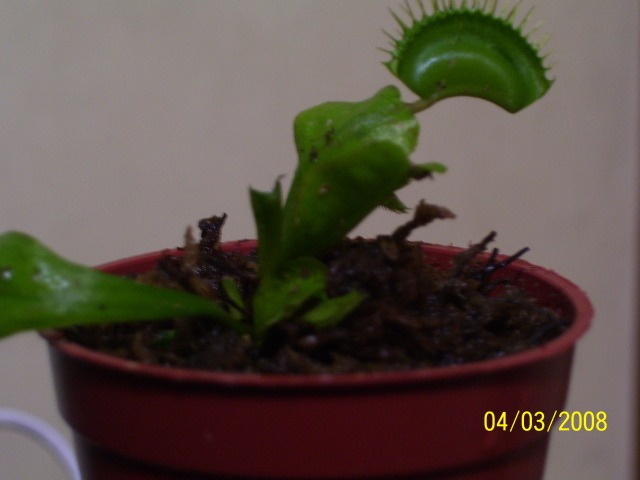
Slow Acclimation Is Key Keep in original containers temporarily. Remove dome gradually over 2 weeks (prop with pencil, raise daily). Flytrap: adapt to full sun via east/west window → south window → outdoors. Use distille
Cephalotus Lighting Requirements: Why Fluorescent Beats Incandescent for Indoor Growth
Lumens Matter More Than Watts Fluorescent is best; incandescent runs too hot. Target 9,000–12,000 lumens (20,000–36,000 for light-hungry plants). Cephalotus likes lots of light but less than flytraps. Bright south window
Interpreting Sarracenia Rhizome Color: Red, White, or Brown—What It Means for Plant Health
Color Guide Red at crown: high sunlight, healthy. White: healthy. Mushy brown: dead/rotting. New growth emerges red, then matures to proper color.
Diagnosing Sarracenia Rhizome Rot After Early Indoor Transition: Fungus and Light Issues
Act Fast: Fungicide and Light Correction Wilting pitchers + brown rhizome = rot. Causes: fungus (lost UV/rain protection) or pests. Unpot, spray sulfur fungicide generously, repot in fresh soil, spray soil surface. Warmt
Evaluating Artificial Lighting for Temperate and Tropical Carnivorous Plants Indoors
Temperate Plants Need Outdoor Sun We grow Sarracenia and flytraps outdoors (10+ hrs direct sun). Indoors, they rarely reach full potential. Your 48W (≈3,000 lumens) is bare minimum—need 6,000 lumens or 80W. Terrarium lid
Venus Flytrap Transplant Shock After Fridge Dormancy: Acclimating to Lower Humidity
Sudden Humidity Drop Wilts Leaves Healthy white bulb but leaves wilted from plastic-bag humidity to open air. Cut off all leaves; wait for new growth. Then acclimate outdoors after frost risk. More at cobraplant.com/care
Copyright © www.100flowers.win Botanic Garden All Rights Reserved