

Venus Flytrap Sun Acclimation in Sweden: Brown Leaves Are Normal "Tanning"
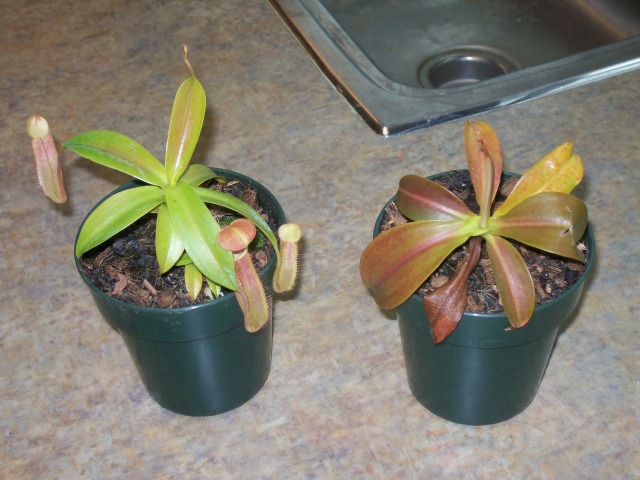
Brown = Sun Adaptation, Not Damage Moving a window-grown VFT to outdoor sun causes leaf browning—like a human tan. Some leaf burn on old growth is unavoidable. New growth will be fully sun-adapted. Protocol Continue ful

Extra Trigger Hairs on Venus Flytraps: Normal Mutation; Trapless Leaves from Humidity Shock
4–5 Trigger Hairs: Common Genetic Variation Not a new species or variety. Just a harmless mutation. No effect on function. Trapless Leaf on Division Caused by rapid humidity change or mineral exposure. Since other plants
Pinguicula primuliflora Care: Avoid Waterlogging, Use Fungicide, Accept Finicky Nature
Primary Killer: Fungal Rot from Constant Saturation P. primuliflora needs moist but not waterlogged soil. Keep saucer barely wet; let dry 1–2 days between refills. Constant standing water causes crown rot. Other Critical
Why Fish Pond Water Kills Bog Carnivorous Plants
Fish Water = Fertilizer Water Fish require neutral pH and mineralized water. Their waste breaks down to nitrates/nitrites—essentially liquid fertilizer. Carnivorous plants need acidic, nutrient-poor conditions. Pond wate
Repotting a Rescued Drosera adelae: Pot, Soil, and Water Guidelines
Simple, Standard Repotting Pot: 4-inch with drainage holes (round or square—preference only). Soil: 1:1 sphagnum peat moss and perlite. Water: Saucer method. Test tap water (<50 ppm TDS). If unknown/high, use distilled
Can You Grow Venus Flytraps in Pure Peat Moss? Yes—If You Water Daily
Wild Conditions ≠ Pot Conditions In nature, slow water seepage aerates soil. In pots, no seepage occurs. Perlite (or sand/pumice) replaces this aeration. Pure Peat Is Possible But High-Maintenance Top-water only (no tra
Nepenthes Water Tolerance: 100–200 ppm for Most, Lower for Ultra-Highlanders
No Universal PPM Limit—Species Dependent Lowlanders: Tolerate 100–200 ppm dissolved solids. Highlanders: Prefer <50 ppm. Ultra-highlanders: Need near-pure water. Key Practice: Always water heavily so excess drains comp
Goldfish in Rain Barrel: Safe for Sarracenia at Low Stocking Density
One Feeder Goldfish in 5 Gallons = Acceptable Fish waste (nitrates) acts as fertilizer, harmful to carnivorous plants. But a single small fish in 5 gallons provides sufficient dilution. Nursery customers successfully sit
First-Year Seedling Light Strategy: Sarracenia Indoors, Drosera Outdoors
Sarracenia rubra ssp. alabamensis: Slow Grower Grow first year in sunny south window. Indoor seedlings outpace outdoor ones because theyre sheltered from weather stress. Acclimate to outdoors next spring. Drosera filifor
Cat-Proofing Nepenthes: Double-Sided Tape Beats Bitter Apple Spray
Bitter Apple Contains Alcohol—Destroys Nepenthes Leaves Never use it. The alcohol causes permanent tissue damage. Effective, Plant-Safe Deterrent Apply clear double-sided packing tape to lower leaves/stems where the cat
Drosera 'Alice' Needs Cool Nights; Nepenthes muluensis × lowii Requires Terrarium Humidity
Drosera Alice (D. aliciae) Secret: Cool Nights Native to South African coastal mountains, D. aliciae reduces dew in warm nights. Spoon-leaf sundew (D. spatulata) tolerates warmth—hence the discrepancy in your east window
Controlling Mold on Tropical Sundew Seedlings: Sulfur, Neem Oil, and UV Light
Mold Is Recurring, Not a One-Time Fix Initial sulfur spray loses effectiveness. Reapply when mold reappears—heavier if persistent. Sulfur acidifies soil, inhibiting/killing mold slowly. Neem oil works faster but smells s
What to Expect from Nepenthes in Winter: Growth Slowdown and Pitcher Loss
Winter Response Varies by Species and Conditions In cooler, darker winter months, most Nepenthes: Slow or stop growth. Drop existing pitchers. Cease pitcher production. In spring, as light and temperature increase, gro
Combining Two Sarracenia leucophylla: Pot Size for Long-Term Harmony
6-Inch Pot Works for One Season S. leucophylla grows slowly. A 6-inch pot accommodates two medium plants for the growing season. Better: 8-Inch or Larger More soil volume = better winter insulation. No need to repot nex
Overwintering Sarracenia in Zone 5 (Michigan): Why Garage Method Fails and How to Fix It
Why the Unheated Garage Failed Repeated freeze-thaw cycles (common in Zone 5 garages) destroy potted Sarracenia. In-ground plants are insulated; pots are not. Canadian growers succeed with unheated greenhouses because te
Carnivorous Plants for Extreme Heat: Yucatan, Mexico (33–43°C Days, 26–27°C Nights)
Lowland Nepenthes Thrive in This Climate Species well-suited to constant heat and high humidity: Nepenthes bicalcarata N. ampullaria N. gracilis N. merrilliana N. alata N. khasiana Also Tolerant (Intermediate/Adaptable
Growing Highland Nepenthes in Tropical Malaysia: Species Selection by Elevation
Typical Highland = Cool Nights (<65°F / 18°C) Highland Nepenthes need significant nighttime temperature drops. Without them, they produce fewer/smaller pitchers and may decline. Species-by-Species for Malaysian Balcony (
Why Refrigerators and Freezers Kill Carnivorous Plants: Proper Dormancy Methods
Never Put Nepenthes in a Refrigerator Highland Nepenthes experience cool nights gradually as the sun sets. A fridge shocks them with instant cold, dry air, and darkness—often fatal. Most beginner-friendly highlanders (N.
Choosing Sundews for a Lowland Nepenthes Terrarium (And Why You Might Not Need One)
Terrariums Are Usually Unnecessary Most tropical sundews and lowland Nepenthes grow well as open houseplants. Many Florida customers grow beautiful lowland Nepenthes on windowsills without enclosures. If You Insist on a
Lowland Nepenthes Seed Germination: Heat Mats, Viability, and Plastic Covers
Heat Mat Strongly Recommended Lowland Nepenthes (e.g., N. ampullaria) germinate best at constant 70–80°F (21–27°C). A heat mat dramatically improves rate and speed. Without it, germination is erratic and slow. Key Germin
Copyright © www.100flowers.win Botanic Garden All Rights Reserved