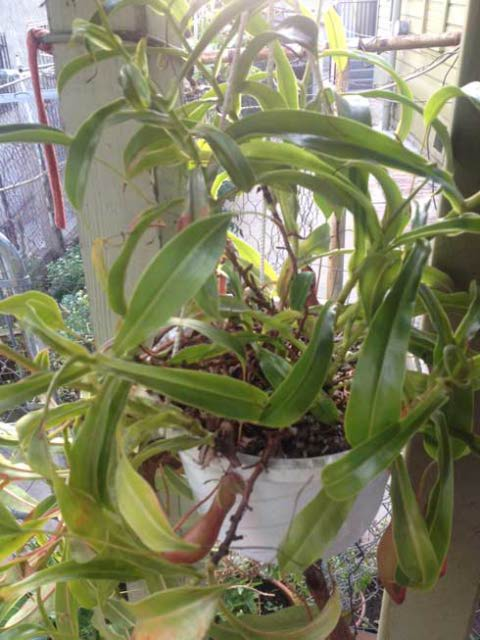


Step-by-Step Guide to Repotting Nepenthes and Venus Flytraps: Soil Mixes, Root Handling, and Pot Selection Unpotting Gently squeeze pot sides, cup hand over plant, invert, tap bottom. Soil releases in a clump. Rinse root

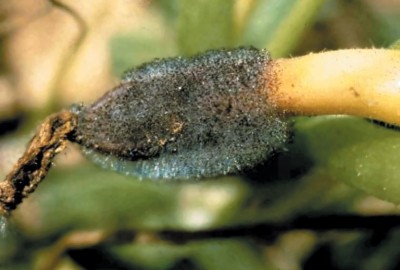
Emergency Treatment for Fungal Rhizome Rot in Sarracenia: Unpotting, Sulfur Spray, and UV Exposure
Emergency Treatment for Fungal Rhizome Rot in Sarracenia: Unpotting, Sulfur Spray, and UV Exposure Brown, soft rhizomes with wilting pitchers indicate fungus. Common in cultivation, even at our nursery. Rescue Protocol
The Science Behind Red Venus Flytrap Traps: Anthocyanin, Fly Attraction, and Selective Breeding
The Science Behind Red Venus Flytrap Traps: Anthocyanin, Fly Attraction, and Selective Breeding Pigment Mechanism Red color comes from anthocyanin (like melanin in human skin), expressed under bright UV light. Its a gene
Parentage of Nepenthes 'Velvet' Hybrid: Fusca x Maxima Cross from Dutch Breeder DeRoose
Parentage of Nepenthes Velvet Hybrid: Fusca x Maxima Cross from Dutch Breeder DeRoose Nepenthes × Velvet (also called Gentle or Gentle Velvet) is a hybrid of N. fusca × N. maxima. The exact pod parent is uncertain. DeRoo
Why Cephalotus Cannot Overwinter in Zone 7 Bogs: Temperature Requirements and Indoor Alternatives
Why Cephalotus Cannot Overwinter in Zone 7 Bogs: Temperature Requirements and Indoor Alternatives Cephalotus is warm-temperate (hardy to Zone 9). It tolerates brief 27°F frosts if roots dont freeze, but Zone 7 winters ar
Optimizing Fluorescent Lighting for Indoor Nepenthes: Intensity, Spectrum, and Leaf Burn Prevention
Optimizing Fluorescent Lighting for Indoor Nepenthes: Intensity, Spectrum, and Leaf Burn Prevention Too Much Light? Small plants: yellow leaves = light too intense. Move fixture back. Large plants: top leaves get more li
Watering Mexican Butterworts: Tray Method, Top Watering, and African Violet Pot Options
Watering Mexican Butterworts: Tray Method, Top Watering, and African Violet Pot Options Roots are slightly rot-prone if constantly saturated; they benefit from slight upper-soil drying. Three Effective Methods Tray meth
24-Hour Lighting for Venus Flytraps: Benefits, Costs, and Natural Growth Cycles
24-Hour Lighting for Venus Flytraps: Benefits, Costs, and Natural Growth Cycles Cloudy days dont harm plants—full-sun species grow fine under clouds. Continuous Lighting Some growers report larger plants under 24/7 fluor
Venus Flytrap Flowering: Debunking the Myth That Blooms Weaken Plants
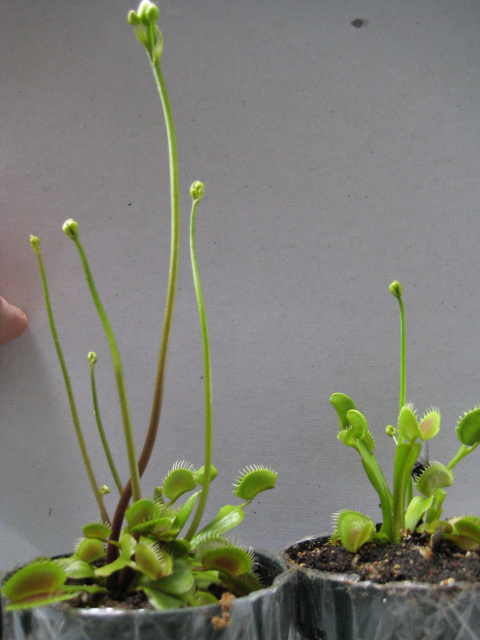
Venus Flytrap Flowering: Debunking the Myth That Blooms Weaken Plants Flower stalks are normal in spring. The cut flowers myth originated from growers using insufficient light (indoors). In full sun, plants are robust en
Reviving a Struggling Darlingtonia: Soil Aeration, Daily Watering, and Variety Selection
Reviving a Struggling Darlingtonia: Soil Aeration, Daily Watering, and Variety Selection Soil Mix Critical Standard peat/perlite is too dense. Ideal mix: 1 peat : 1–2 perlite : 1 pumice (or orchid bark). Squeeze wet mix—
Why Pine Needles Belong on Top, Not In, Carnivorous Plant Soil Mixes
Why Pine Needles Belong on Top, Not In, Carnivorous Plant Soil Mixes Pine needles are excellent winter mulch (insulation, slow freeze-thaw). In soil mixes, they decompose in constant moisture, releasing nitrogen and resi
Growing Nepenthes in Vanda Baskets: Orchid Mix Adaptations and Humidity Considerations
Growing Nepenthes in Vanda Baskets: Orchid Mix Adaptations and Humidity Considerations Vanda baskets work if lined with long-fiber sphagnum or fine plastic mesh to retain mix. Recommended Mix 1:1:1 orchid bark, coconut h
Diagnosing Winter Losses in Container-Grown Carnivorous Plants: Fungus, Pot Size, and Storage Conditions A Zone 6 grower lost all Sarracenia and flytraps stored in 3-inch pots in an unheated shed. Rhizomes were soft, tan
Repotting Venus Flytraps: Plastic Pots, Root Ball Integrity, and Seasonal Timing
Repotting Venus Flytraps: Plastic Pots, Root Ball Integrity, and Seasonal Timing Use plastic pots for outdoor growing—they retain moisture and resist winter cracking. Terracotta dries too fast; glazed ceramic may crack i
Dealing with Surface Mold on Indoor Sarracenia: Scraping, Fungicide, and Outdoor Transition
Dealing with Surface Mold on Indoor Sarracenia: Scraping, Fungicide, and Outdoor Transition Sarracenia are bog plants—excess water isnt the issue. Surface mold is common indoors due to stagnant air. Solutions Scrape off
Should You Add Water to Nepenthes Pitchers? Understanding Natural Fluid Production
Should You Add Water to Nepenthes Pitchers? Understanding Natural Fluid Production Nepenthes produces its own digestive fluid (sugars + enzymes). Transport often spills it. The plant replenishes fluid after acclimating.
Nepenthes sanguinea Windowsill Care: Light Sufficiency and Vacation Watering Solutions
Nepenthes sanguinea Windowsill Care: Light Sufficiency and Vacation Watering Solutions 5 hours of bright morning sun plus shade-light is sufficient—our own N. sanguinea thrives in a west window with similar light. Vacati
Feeding Venus Flytraps Dyed Fishing Maggots: Potential Risks and Better Alternatives
Feeding Venus Flytraps Dyed Fishing Maggots: Potential Risks and Better Alternatives Dye compositions vary by brand; some may harm the plant. Avoid chemically prepared baits. Natural Feeding Outdoor flytraps catch dozens
Drosera regia Care: Temperature, Light, and Soil Requirements for the King Sundew
Drosera regia Care: Temperature, Light, and Soil Requirements for the King Sundew Temperature Cool nights (18–20°C) and cool roots are essential. Day temps around 25°C are fine. Light 15% if acclimated slowly. Soil Sphag
Why Sarracenia flava Flower Buds Abort: Frost Sensitivity and Protection Strategies
Why Sarracenia flava Flower Buds Abort: Frost Sensitivity and Protection Strategies S. flava blooms early, making its buds vulnerable to even light frosts. We lose more flava buds than any other species. This is a common
Copyright © www.100flowers.win Botanic Garden All Rights Reserved