

Why Nepenthes Vines Lean and How to Stake Them for Upright Growth
Why Nepenthes Vines Lean and How to Stake Them for Upright Growth Leaning is normal: long vines become top-heavy, and loose, airy soil mixes (for aeration) offer little anchorage for young plants. Simple Staking Insert a

Why Your Venus Flytrap Stops Closing: Trap Lifespan, Light Deficiency, and Feeding Myths
Why Your Venus Flytrap Stops Closing: Trap Lifespan, Light Deficiency, and Feeding Myths Natural Trap Limits Each trap closes only a few times before becoming inactive. Artificially triggering wastes these cycles. Light
Distilled Water Purity for Carnivorous Plants: Understanding Distillation Methods and Metal Coils
Distilled Water Purity for Carnivorous Plants: Understanding Distillation Methods and Metal Coils All distilled water is produced by boiling, capturing steam, and condensing it—leaving impurities behind. Most facilities
Growing Temperate Carnivorous Plants in Warm Winter Climates: Zone 9 Dormancy Strategies
Growing Temperate Carnivorous Plants in Warm Winter Climates: Zone 9 Dormancy Strategies Occasional winter frosts (night temps below 55°F) with daytime highs around 77°F constitute USDA Zone 9. This provides sufficient d
Rescuing a Hardware Store Sarracenia: Acclimating Terrarium Plants to Outdoor Growing
Rescuing a Hardware Store Sarracenia: Acclimating Terrarium Plants to Outdoor Growing Store-bought pitcher plants in humidity domes are grown in myth-based conditions. They need full outdoor sun, not terrariums. Acclimat
The Challenge of Growing Nepenthes talangensis: Specific Humidity and Temperature Demands
The Challenge of Growing Nepenthes talangensis: Specific Humidity and Temperature Demands N. talangensis is notoriously difficult to pitcher in cultivation. It demands: Damp, airy soil (high aeration). Slightly higher h
To Prune or Not to Prune: Managing Aging Nepenthes Leaves and Pitchers
To Prune or Not to Prune: Managing Aging Nepenthes Leaves and Pitchers Yellowing lower leaves and pitchers are a natural part of Nepenthes growth—like shedding fingernails. The plant reabsorbs nutrients from them over mo
Diagnosing Dormancy Failure in Carnivorous Plants: Water Quality, Fungus, and Mulch Depth
Diagnosing Dormancy Failure in Carnivorous Plants: Water Quality, Fungus, and Mulch Depth A Chicago grower lost all temperate plants after winter storage in an unheated shed. Rhizomes were firm but tap water tested at 21
Why Your Sundew Isn't Producing Dew: Light Requirements for Sticky Traps
Why Your Sundew Isnt Producing Dew: Light Requirements for Sticky Traps The dew is a sugar-enzyme secretion that attracts and digests prey. Producing it requires significant energy, which comes solely from sunlight. Low
Growing Venus Flytraps in Extreme Heat: Summer Shelter Strategies for Las Vegas
Growing Venus Flytraps in Extreme Heat: Summer Shelter Strategies for Las Vegas Flytraps tolerate soil temps up to 100°F; above 110°F they die. In Las Vegas, shelter plants during summer. Cooling Techniques Fountain spl
Why Your Nepenthes alata Isn't Pitchering: Light and Watering Mistakes to Avoid
Why Your Nepenthes alata Isnt Pitchering: Light and Watering Mistakes to Avoid Insufficient Light Filtered south-window light through a sheer curtain is too dim. N. alata needs a few hours of direct sun plus bright indir
Venus Flytrap Care Checklist: Confirming Proper Soil, Water, and Light Practices
Venus Flytrap Care Checklist: Confirming Proper Soil, Water, and Light Practices Your routine is correct: Soil: Peat/perlite with living moss top layer (moss coexists fine; remove if too thick). Water: Distilled only. L
When Carnivorous Plants Fail to Emerge from Dormancy: Root Damage from Hard Water
When Carnivorous Plants Fail to Emerge from Dormancy: Root Damage from Hard Water Firm roots but orange-tan rhizome interiors indicate fatal root damage. The 219 ppm tap water used previously deposited minerals that made
Building a Carnivorous Plant Bog Garden: Drainage, Sunlight, and Container Design
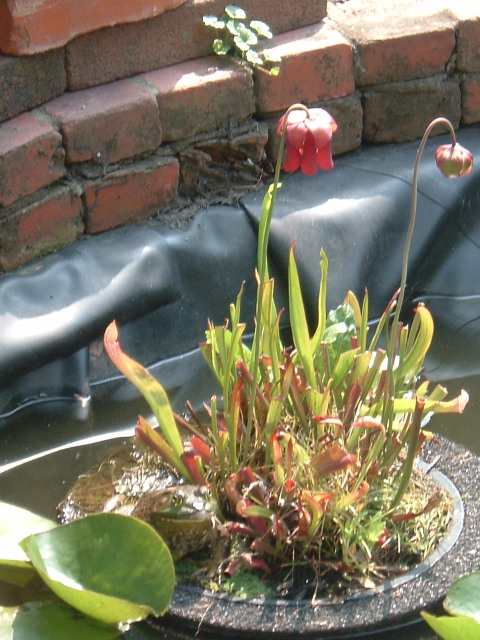
Building a Carnivorous Plant Bog Garden: Drainage, Sunlight, and Container Design Full sun (6+ hours direct) is essential for Sarracenia to develop deep colors and sturdy growth. Partial sun (4–6 hours) yields lanky, gre
Troubleshooting Mass Sarracenia Die-Off in Outdoor Bog Gardens: Mulch, Sand, and Sunlight Factors
Troubleshooting Mass Sarracenia Die-Off in Outdoor Bog Gardens: Mulch, Sand, and Sunlight Factors Multiple species dying in a Zone 6 bog after mulch removal suggests several compounding issues: Mulch Timing and Depth Lea
Using Pond Water for Carnivorous Plant Bogs: Testing and Reverse Osmosis Options
Using Pond Water for Carnivorous Plant Bogs: Testing and Reverse Osmosis Options Pond water can work if mineral levels stay below 50 ppm and nitrogen is negligible. However, fish waste and decaying organics often raise t
Why Nepenthes bicalcarata Struggles as a Windowsill Plant: Humidity and Temperature Needs
Why Nepenthes bicalcarata Struggles as a Windowsill Plant: Humidity and Temperature Needs N. bicalcarata is a true lowland species requiring constant warmth (80–90°F) and high humidity (70%+). Even in our greenhouse with
Safe Mosquito Control in Rain Barrels for Carnivorous Plant Watering
Safe Mosquito Control in Rain Barrels for Carnivorous Plant Watering Never use bleach in rain barrels—residual chlorine harms sensitive plants. Instead, use mosquito dunks containing Bacillus thuringiensis israelensis (B
Why Nepenthes Pitchers Develop Slowly in Cool Springs and When to Expect Growth
Why Nepenthes Pitchers Develop Slowly in Cool Springs and When to Expect Growth Underdeveloped pitchers on a Nepenthes ventricosa in a cool, cloudy spring are normal. The plant is simply waiting for warmer, brighter cond
Diagnosing Sudden Sarracenia Collapse: Grubs, Fungus, and Recovery Steps
Diagnosing Sudden Sarracenia Collapse: Grubs, Fungus, and Recovery Steps Sudden pitcher collapse in 90°F weather is rarely heat-related—Sarracenia tolerate such temperatures naturally. The culprit is usually rhizome dama
Copyright © www.100flowers.win Botanic Garden All Rights Reserved