

Why Venus Flytraps Cannot Live Submerged in Aquariums
Physiological Barriers Flytraps lack adaptations for submerged life: bulbs rot if waterlogged, and fish waste adds nitrogen that kills roots. Aquarium lights are far too dim—Red Dragon flytraps need full sun to maintain

Growing Nepenthes x coccinea: A Lowland Hybrid for Warm, Humid Conditions
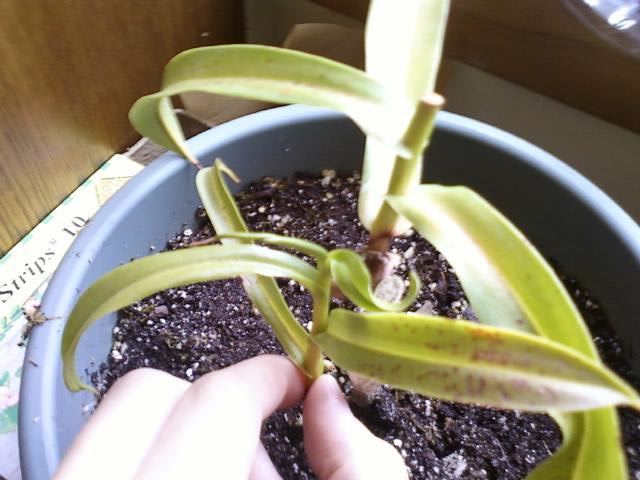
Care Summary This hybrid of lowland species likes warmth and humidity. It adapts as a houseplant but slows in winter. Provide a very sunny south window and keep soil moist. Burnt rings on pitchers are usually rust spots—
Why Venus Flytraps Cannot Survive Without Sunlight: The Science of Photosynthesis
Sunlight Powers Growth; Insects Are Just Fertilizer Flytraps are temperate plants native to North Carolinas coastal plains. They require 6+ hours of direct sun—the same as roses or tomatoes. Without sunlight, photosynthe
Best Carnivorous Plants for Low-Light North-Facing Windows
Mexican Butterworts and Lance Leaf Sundews North windows are generally not recommended, but Pinguicula moranensis and Drosera adelae can produce decent growth if the window is large enough to provide ample ambient light.
Venus Flytrap Flowering: Normal Growth or Cause for Concern?
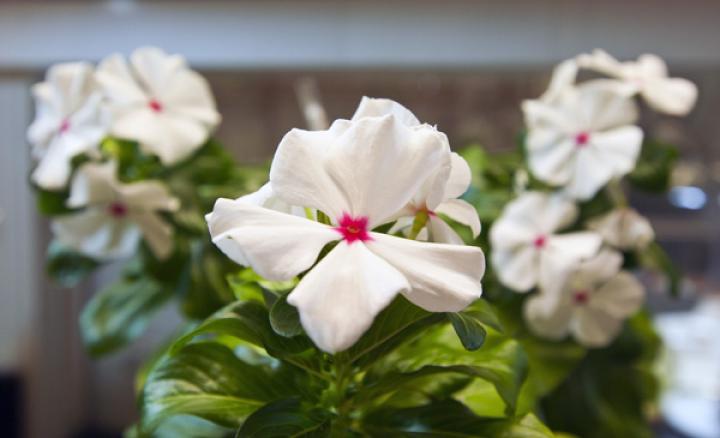
Flowers Are Normal—But Light Is Critical Your description matches typical flytrap flowers: tall stems, delicate white five-petaled blooms. This is completely normal. However, flowering consumes significant energy. Plants
Controlling Spiders in a Greenhouse: Safe Pesticide Options for Carnivorous Plants
Permethrin-Based Sprays and No-Pest Strips Most insecticides target insects, but permethrin is effective on spiders too. Follow label directions carefully. No-Pest Strips also work in enclosed spaces; limit your time ins
Growing Woolly Sundews and Australian Pitcher Plants: Temperature, Humidity, and Light Requirements
Woolly Sundews (Drosera sect. Lasiocephala) These require hot, humid, very bright conditions. In suboptimal winters they form a woolly resting bud and resume growth only when warmth and humidity return. They thrive in su
Propagating Sundews from Leaf Cuttings: Soil vs. Water Method
Soil Method Is Simpler and More Reliable For Cape, lance leaf, and pygmy sundews, lay leaves on moist 1:1 peat moss/perlite mix and press firmly so the entire leaf contacts the soil. The water method works but adds steps
Can You Feed Triops to Venus Flytraps? Understanding Carnivorous Plant Nutrition
Feeding Is Optional, Sunlight Is Essential Triops or any small insect can be fed to a Venus flytrap if it fits the trap, but feeding is not a care requirement. Plants produce energy through photosynthesis; insects merely
Best Soil Mix for Drosera regia: Orchid Bark vs. Silica Sand
Optimizing Soil for the King Sundew Drosera regia prefers well-drained soil over waterlogged conditions. The recommended mix is equal parts peat moss, perlite, and silica sand. Orchid fir bark is acceptable but tends to
Growing Cape, Lance Leaf, and Pygmy Sundews in a Greenhouse
Greenhouse Cultivation of Tropical Sundews Cape sundews (Drosera capensis), lance leaf sundews (Drosera adelae), and pygmy sundews can thrive in a greenhouse if you manage temperature and light carefully. These tropical
Why Perlite Beats Sand for Carnivorous Plant Soil: Weight, Aeration, and Purity
Three Reasons Nurseries Prefer Perlite Weight: 4 ft³ perlite = 30 lbs. 4 ft³ sand = 400 lbs. Critical for large collections. Aeration: Perlite creates superior pore space. Purity: Perlite is inert. Play sand is undefine
Sarracenia flava First to Flower: Orange-Red Buds, Yellow Blooms, Self-Pollination Guide
S. flava = Earliest Flowering Sarracenia Buds range green to red. Open flowers are always yellow. Your two buds on one rhizome = likely flava. Pollination Self-pollination works (same plant) but cross-pollination (diffe
Wild Florida Sundew ID: Drosera capillaris (Pink Sundew) and Seed Germination
ID: Drosera capillaris — Pink Sundew Ubiquitous in Southeast US. Most populous native sundew. Annual in wild: blooms, seeds, dies in one season. Seed Germination Warm: 75–85°F (24–29°C). Surface sow on sphagnum peat (or
Broken Nepenthes Pitcher Lid: No Effect on Pitcher Lifespan
Lid Is Cosmetic/Functional for Rain Exclusion, Not Digestion Pitcher survives normally. Each pitcher lives 2–3 months regardless. Watch for new growth from vine tip—replacement pitchers will form.
Sudden Sundew Collapse: Fungus Gnat Larvae in Soil, Not Light or Water
Diagnosis: Fungus Gnat Infestation Rapid, simultaneous decline of multiple sundews (while Nepenthes thrive) points to soil pests, not environment. Adult gnats caught on leaves confirm it. Larvae eat roots. Critical Disco
White Crystals on Nepenthes Leaves: Dried Nectar, Perfectly Normal
Sugar Crystals from Nectar Evaporation Some species (e.g., N. bicalcarata) secrete nectar on pitchers/leaves. It dries into white crystalline residue—like salt grains. No action needed. Indicates healthy nectar productio
Green Slime Mold on Flytrap Soil: Harmless but Ugly—Scrape and Increase Sun/Rain
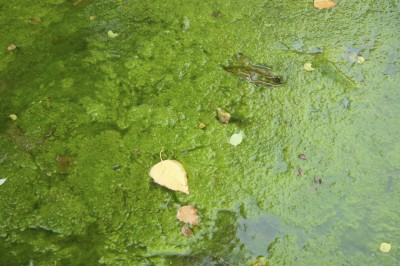
Slime Mold = Cosmetic, Not Harmful Common on constantly moist soil. Wont hurt plants. Removal & Prevention Scrape off top ¼ of soil, replace with fresh. Move to full sun + rain exposure—both suppress slime mold naturall
High-Output Fluorescent Light Distance: Match Distance to Lumen Output
Distance Depends on Total Lumens, Not Fixture Type ~3,000 lumens → 4–6 inches above plants. ~6,000 lumens → 6–8 inches. Problem: Only top growth gets correct intensity; hanging vines stay shaded. Better Species for Art
Nepenthes 'Miranda' Care Basics: Partial Sun, Pure Water, Airy Soil, No Feeding Needed
Simple Care for a Vigorous Hybrid Light: Partial sun (bright window or dappled shade). Water: Mineral-free (rain/distilled/RO). Top-water daily; no standing tray (root rot risk). Soil: 1:1:1 orchid bark, peat moss, coco
Copyright © www.100flowers.win Botanic Garden All Rights Reserved