
Feeding Sarracenia 'Judith Hindle' Earthworms: Is It Okay?
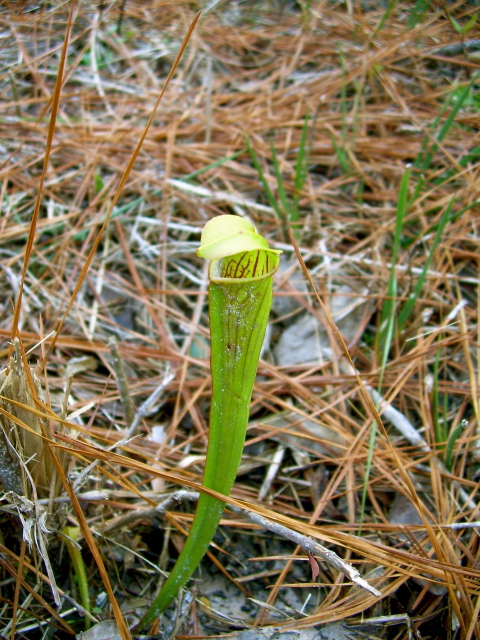
Short Answer: Yes, But Unnecessary Earthworms wont harm Sarracenia, but these plants are highly efficient insect catchers on their own. Additionally, Sarracenia should be dormant in winter (Northern Hemisphere), so feedi

Reviving a Struggling Cape Sundew: Light, Water, and Avoiding Terrariums
Diagnosis A Cape sundew (D. capensis) from a death cube deteriorated after one day in sun, then stagnated in a terrarium with fluorescent lights. The leaves are too soft from low-light store conditions to recover. Recov
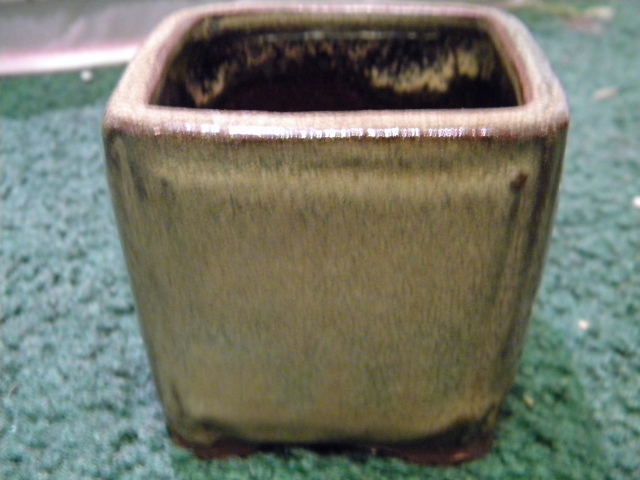
Repotting Pinguicula primuliflora: Glazed Ceramic Pots Are Fine
Pot Suitability A glazed ceramic pot with a smooth interior/exterior is perfectly acceptable for P. primuliflora. Ensure it has a drainage hole. Growth Habits This species behaves as both temperate and tropical. It grow
Sarracenia Winter Dormancy: Can It Survive Without Leaves?
Yes—Leaf Removal Is Standard Practice By late January, growers typically cut off all Sarracenia leaves. This serves two purposes: Hygiene: Dead leaves harbor botrytis mold that can attack the rhizome. Light Exposure: Re
Why Terrariums Are Poor Choices for Carnivorous Plants
Major Drawbacks of Terrariums Promote fungal and bacterial infections due to stagnant, humid conditions. Light-loving plants (e.g., Venus flytraps) thrive better in open air, even under artificial light. Enclosed terrar
Feeding Sarracenia 'Judith Hindle': Can You Use Nightcrawlers?
Natural Diet vs. Supplemental Feeding Sarracenia typically capture flying insects and ants. While a nightcrawler earthworm isnt a natural prey item, its unlikely to harm the plant. Potential Risks Overstuffed pitchers
Venus Flytrap Leaves Turning Black: Dormancy or Rot?
Normal vs. Problematic Blackening Older leaves naturally blacken and die, starting from the trap or petiole edges. If the central growing crown remains green and healthy, the plant is likely entering winter dormancy. Pr
Restarting a Carnivorous Plant Collection: Lighting, Watering, and Setup Advice
Watering Cephalotus and Heliamphora Top-water heavily; keep only a small amount of water in trays. Cephalotus prefers slightly drier conditions—root rot is the main killer. Heliamphora tolerates a bit more moisture. C
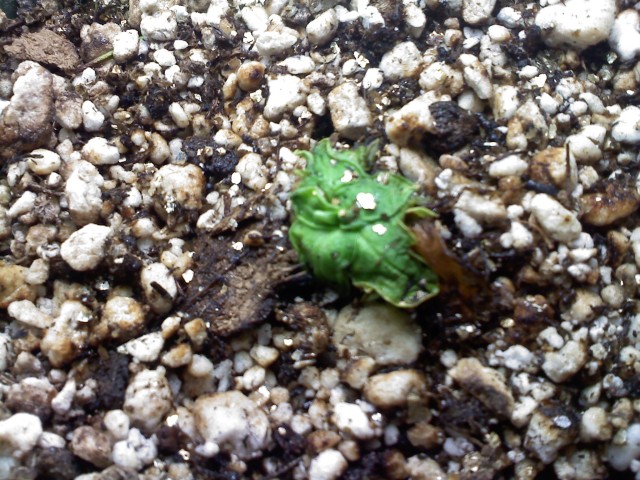
Pinguicula primuliflora Care: Overcoming Root Rot and Fungal Issues
Diagnosing the Problem A P. primuliflora (primrose butterwort) showed severe decline with root rot. This species is notoriously finicky, prone to fungus and fungus gnat larvae. Long-Term Success Strategies Growing Medi
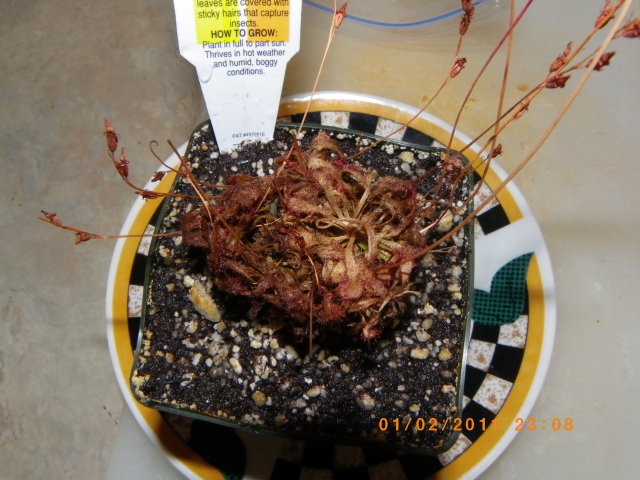
Caring for Drosera spatulata 'Fraser Island' and Tropical Sundews
Assessing a Struggling Fraser Island Sundew A recently shipped D. spatulata Fraser Island arrived mostly brown and cottony. This tropical form is highly sensitive to cold and likely froze during transit. The standard D.
Nepenthes × ventrata Root Loss: Diagnosing and Treating Root Rot
Classic Signs of Root Rot A mature N. × ventrata suddenly slowed growth, produced smaller leaves, and was found to have no roots when dislodged. This is a textbook case of root rot caused by prolonged overly wet soil. R
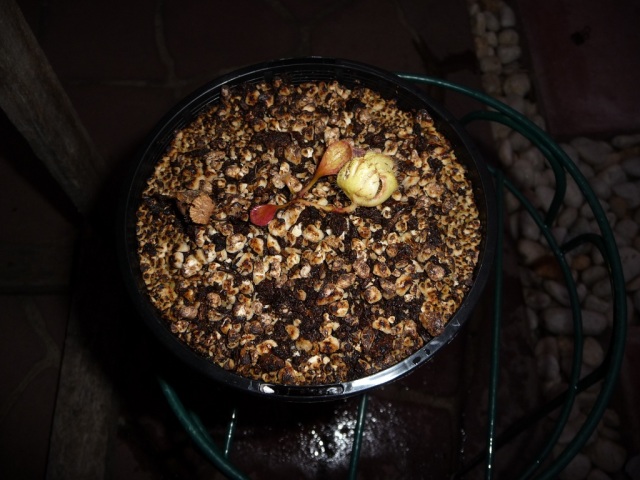
Cephalotus Leaf Color Changes: Natural Response or Problem?
Interpreting Color Shifts in Cephalotus When Cephalotus leaves turn red under intense light, its often a natural response—many varieties produce vibrant coloration in strong sun. However, yellowing pitchers can signal ag
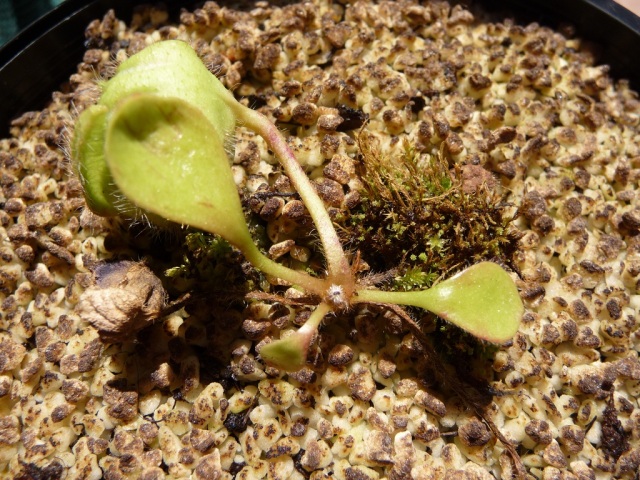
Cephalotus Color Changes: Managing Sun Exposure and Transition Stress
Why Cephalotus Leaves Change Color A Cephalotus grower noticed non-carnivorous leaves turning red and pitchers yellowing after moving the plant to full sun. The plant had been gradually acclimated over 4-5 weeks, grown i
Growing Nepenthes alba: Tips for Success with This Rare Hybrid
Understanding Nepenthes alba Nepenthes alba is a fascinating hybrid resulting from a cross between N. gracillima and N. macfarlanei. Because its not widely cultivated, reliable growing information can be scarce. If youre
Systemic Insecticide Podcast Location and Ingredient Safety
Eugene asks for insecticide podcast link (fungicide one available). Jeff Dallas provides YouTube link. Follow-up: Eugene suggests permanent archive; asks about Bayer 3-in-1s other ingredients (Tau-fluvalinate miticide, T
Zone 6 Winter Freeze Protection: Bog Mulching and Garage Storage
Joseph in Harrisburg, PA (zone 6a) has 2 months below freezing; 12 mulched bog garden and garage-stored potted plants (including cobra plant) froze solid. Jeff Dallas: bog garden likely fine if mulched well (links Ontari
Nepenthes Fusca Pitcher Opening Timeline: Patience Required
Ishans N. fusca has two closed pitchers, asks when theyll open. Jeff Dallas: I have no real way of knowing that since plant growth depends entirely on your growing conditions. If temperature and light conditions are opti
Drosera Soil Mold and Mystery Green Growth: Likely Moss
Joe has mold in D. spatulata soil with bright green star-shaped growths. Jeff Dallas: I can only take a guess without a photo, but your little green things sound like mosses of some sort, or Irish moss... Just pull them
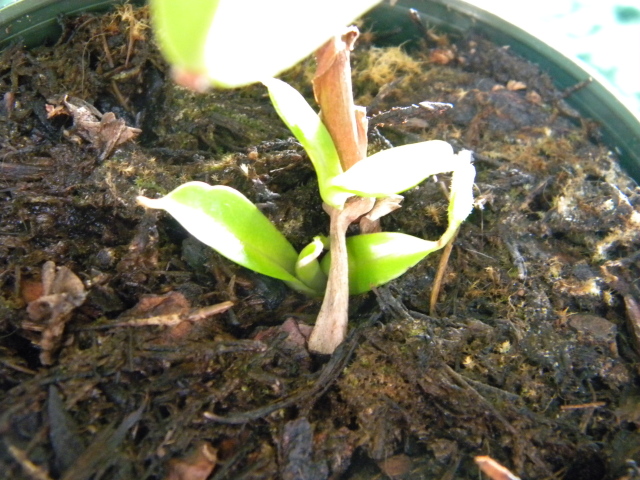
Nepenthes Basal Shoots: Vine Extensions, Not New Plants
Justin sees small Nepenthes growing from soil and stem with pitchers. Jeff Dallas: Unfortunately, (or fortunately) these are new shoots coming of the main stem. They are not separate plants. If you remove one it wont hav
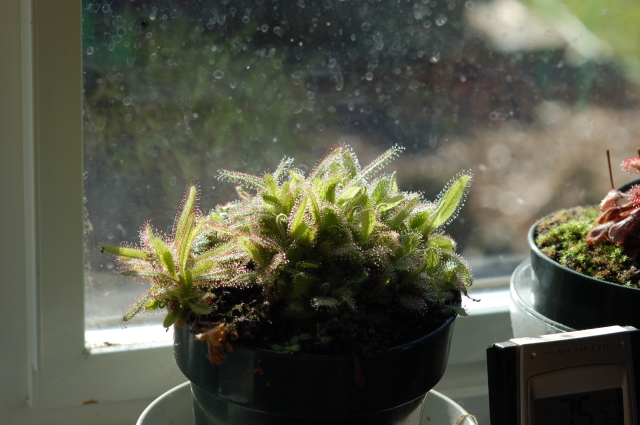
Drosera Adelae Persistent Decline: Repotting and Light Solutions
Craig in York, PA repeatedly loses D. adelae despite south window + CFL, 60°F, rainwater, dome. Jeff Dallas: confused by previous advice—if cut to soil, no leaves to dry. Asks for photo. Shows his 2-year-old kitchen wind
Copyright © www.100flowers.win Botanic Garden All Rights Reserved