


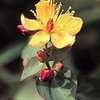
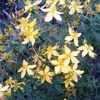
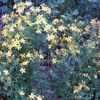
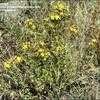
St. John's wort (Hypericum perforatum) is a perennial herb native to Europe, now naturalized worldwide. It grows 1-3 feet tall with opposite, oblong leaves that appear perforated (translucent dots) when held to light. Bright yellow, five-petaled flowers with prominent stamens bloom in early to mid-summer. The black dots on petals and leaves contain hypericin.
Widely studied for mild to moderate depression; also used topically for wounds, burns, nerve pain. Interacts with many medications (antidepressants, birth control, anticoagulants)—consult a healthcare provider. Can cause photosensitivity. Invasive in some regions; check local status. Grows in full sun, well-drained soil; tolerates drought.
Black Sedge (Carex nigra): A Common, Rhizomatous Sedge of Wet European Meadows
Carob Tree (Ceratonia siliqua): Ancient Mediterranean Crop
European Beech (Fagus sylvatica): Majestic Forest Tree for Grand Landscapes
Creeping St. John's Wort (Hypericum calycinum): Yellow Flowers for Shade
Northern Prickly Ash (Zanthoxylum americanum): Aromatic, Thorny Shrub for Wildlife and Numbing Spice
Golden Sage (Salvia officinalis 'Aurea'): Chartreuse Foliage for Herb and Ornamental Gardens
Salvia officinalis 'Tricolor': Variegated Culinary Sage with Pink, White, and Green Leaves
Salvia officinalis 'Berggarten': Culinary Sage with Large Round Leaves
Common Sage 'Aurea' (Salvia officinalis 'Aurea')
Common Sage 'Purpurescens' (Salvia officinalis 'Purpurescens')
Common Sage 'Purpurea' (Salvia officinalis 'Purpurea')
Copyright © www.100flowers.win Botanic Garden All Rights Reserved