
Mystery Bug Bites: Medical Evaluation Before Pest Treatment
Unseen biting sensations should be investigated by a dermatologist first—not a pest control operator. They can examine skin reactions, capture specimens if present, and identify non-insect causes (which are common). Bird

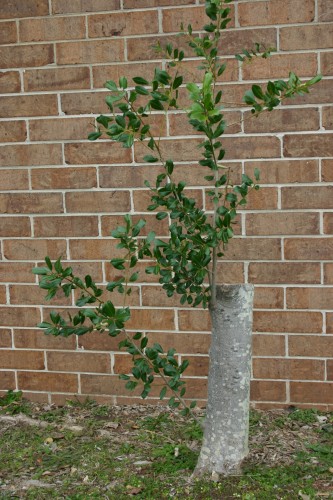
Severe Pruning of Overgrown Burford Hollies: A Multi-Year Renovation Plan
Burford hollies tolerate severe pruning remarkably well. For ten-foot hollies against the house: do moderate pruning now to clear the structure, then in mid-March, cut each plant back to 12 inches. Vigorous sprouts will
Chinese Elm Strangled by Hidden Rope: Why Replacement Is Necessary
A rope left around the trunk at planting time—and buried when the tree was dug—has girdled your Chinese elm. The tree will never recover; the trunk is permanently weakened at ground level and will eventually snap there.
Simplifying Fertilizer Choices: One Size Fits Most Landscape Plants
Despite marketing for specialized fertilizers (tomato, azalea, orchid, citrus, etc.), plant nutrition is straightforward. Plants need nitrogen, phosphorus, potassium, calcium, magnesium, and micronutrients—most already i
English Ivy on House Walls: Beauty vs. Structural Risk
While ivy-covered walls look charming, they harbor insects and animals that can enter the home. Evergreen leaves trap moisture against siding, promoting mildew, rot, and brick deterioration. Vine tips creep under wood an
Distinguishing Coneflower from Black-Eyed Susan by Leaf Texture
Cant tell your purple coneflower from black-eyed Susan without flowers? Use the touch test: run leaves between your lips. Black-eyed Susan leaves feel relatively smooth; coneflower leaves are distinctly rough and bristly
Skunk Vine Control: Managing This Invasive Smelly Weed
Glyphosate kills skunk vine but also damages ornamental plants beneath it. For small infestations, clip vines at soil level and dab glyphosate on stumps to prevent resprouting. For larger areas, weekly property scouting
Japanese Boxwood Dieback: Causes and Cultural Solutions
Branch dieback in a single Japanese boxwood among healthy neighbors often stems from site-specific issues. Volutella blight is one possibility—pruning out dead wood (as youve done) is the primary treatment. However, the
Fescue Lawn Moss Control: Why Excessive Lime Isn't the Answer
Eight hundred pounds of pelletized lime on 3,000 square feet is 266 pounds per thousand—far above the recommended 40-60 pounds. That rate would make soil so alkaline nothing would grow for years. Moss doesnt kill fescue;
Goat-Damaged Yoshino Cherry: When Replacement Beats Rehabilitation
A goat that stripped leaves and scraped two feet of bark from your two-week-old Yoshino cherry has likely doomed the tree. The removed branches supplied hormones directing root growth, and extensive bark damage permanent
Bleeding Heart Vine vs. Bleeding Heart: Identifying Your Tropical Climber
You dont have the cold-hardy bleeding heart (Dicentra spp.)—you have bleeding heart vine (Clerodendrum thomsoniae), a tropical plant that thrives in Florida but isnt winter-hardy in north Georgia. Its relatives, harlequi
Peony Disease Problems in Georgia: Blight and Blotch Management
Your Michigan peonies are likely suffering from leaf blotch, Phytophthora blight, or Botrytis blight—all fungal diseases encouraged by Georgias humidity. Control measures are similar for all three: plant in well-drained
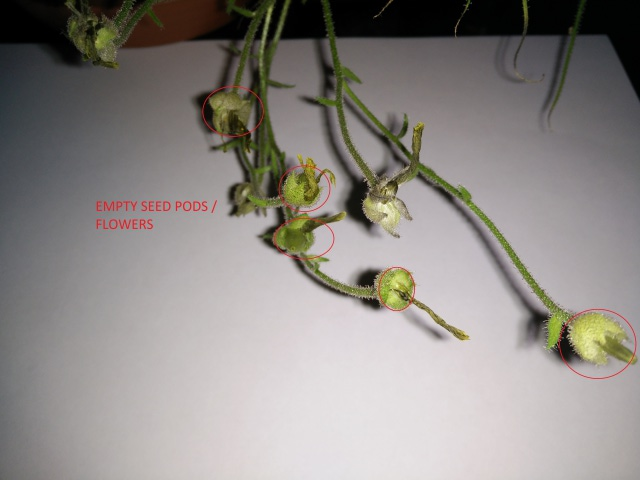
Growing 'Dark Eyes' Fuchsia in the South: Container Culture for Success
Fuchsia struggles in Southern gardens—summer temperatures above 85°F halt flowering and invite disease, while winter lows below 25°F are fatal. For best results, treat fuchsia as a container plant: place in a spot with o
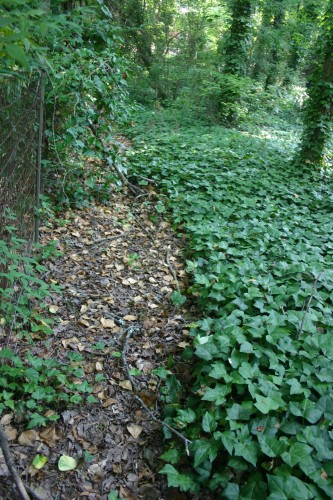
Killing English Ivy: Patience and Persistence with Herbicides
Glyphosate and triclopyr effectively kill English ivy, but patience is the critical ingredient. You wont see damage for weeks because ivy grows in layers—initial sprays only reach upper leaves. I spray every three weeks
Sourcing Chicken Manure by the Truckload in North Georgia
For bulk chicken manure in the Gainesville area, contact Billy Skaggs, Hall County Extension agent (770-531-6988). He can direct you to local farms offering dairy manure or composted broiler litter for pickup. Also check
Hollyhock Rust: Identification and Control for Lace-Like Leaves
Those yellow dots on leaf undersides progressing to lace-like foliage indicate hollyhock rust—a fungal disease producing orange-yellow pustules underneath leaves. Thousands of spores spread via splashing water and wind,
Long-Day Onions in Georgia: Why They Won't Bulb and What to Plant Instead
Sweet Spanish Yellow Utah Jumbo is a long-day onion variety that requires summer day lengths found in northern latitudes to form bulbs. In Georgias heat, these onions succumb to disease and heat stress long before bulbin
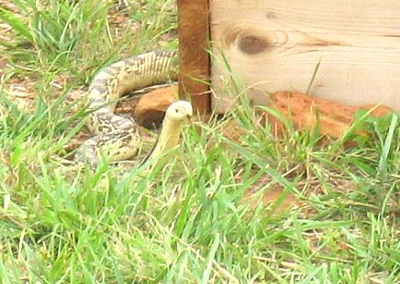
Southern Pine Snake Identification: A Harmless Garden Visitor
That large, light-colored snake in your Westminster, SC vegetable garden is a southern pine snake—harmless to humans and pets, though it may coil and strike defensively if surprised. Identified by Jim Rodgers at Nearly N
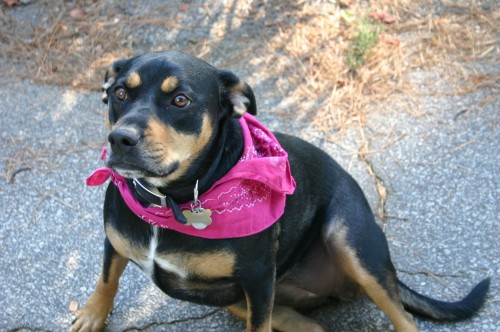
Female Dog Urine and Lawn Burn Spots: The Science Behind the Damage
Your husband is right: female dog urine burns lawn spots more noticeably than male urine. The reason is behavioral, not chemical. Female dogs squat and concentrate their urine in a small area, while males sprinkle over a
Sugar Maple Freeze Damage: Recognizing Epicormic Growth and When to Replace
If your sugar maple produced only a small cluster of leaves near the base after a hard March freeze killed the primary buds, the tree is essentially dead. Those basal leaves are epicormic branches—a trees desperate last
Copyright © www.100flowers.win Botanic Garden All Rights Reserved