

Aboveground Container Ponds: Winter Survival Requires Size or Protection
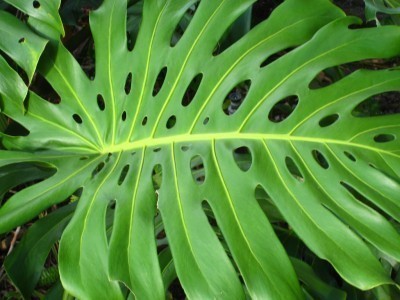
A 10-inch-deep, 2-foot-long container will freeze solid—no fish or hardy waterlily survives. Options: (1) Use annuals only—African Mask elephant ear (Alocasia amazonica), caladiums (crowns above water), water hyacinth. (

Giant Resin Bee: Carpenter Bee Hole Squatters from Asia
The large, burnt-orange-thorax bees using your carpenter bee holes are giant resin bees (Megachile sculpturalis), native to Asia, established in the U.S. since 1994. They partition holes with resin and wood bits, provisi
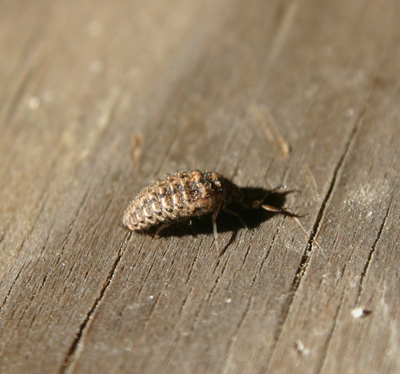
Doodlebugs (Antlions): Nature's Tiny Pitfall Trappers
Those conical sand pits under mulberry trees are doodlebug (antlion) traps. They burrow in dry sand, creating pits where ants fall and cant escape. The meandering tracks they leave while hunting pit sites inspired the na
Using Aged Horse Manure: Application Tips and Herbicide Warning
One-year-old horse manure wont burn plants if applied <1 inch deep and kept 3 inches from stems. Critical caution: verify the source farm doesnt use persistent herbicides like Grazon on pastures—these survive in manure a
Ivy on Trees: Why English Ivy Should Be Removed from Trunks
English ivy isnt parasitic but harms trees by shading lower limbs, adding storm weight, and acting as a wind sail. Cut vines at ground level, pull back 3 feet from trunk. Ivy in the canopy stays green for weeks but event
Herbicide Cross-Reference: Chemical Names vs. Brand Names
Pesticide recommendations use chemical names with brand examples because the same active ingredient appears in multiple products. Ive compiled a homeowner reference list linking common chemicals to their brand-name equiv
Collecting and Planting Crapemyrtle Seeds: Low Germination, High Numbers
70°F. Expect sprouts by July. Fertilize lightly, dont transplant until following spring when roots are stronger.
Mowing St. Augustine in Heat: Human Health > Grass Health
Mowing St. Augustine in 85°F afternoon heat doesnt harm the grass—it transpires slightly more water but tolerates it fine. The real concern is your husbands cardiac risk. Offer sweet tea and apple slices, encourage him t
Weeping Willow Site Selection: Wet Tolerance vs. Short Lifespan
Your streamside site suits weeping willows moisture needs, but these trees are short-lived in the South (often <10 years) due to insects, drought, and winter damage. They also shed limbs heavily—poor choice near structur
Chamberbitter (Mimosa Weed) Control: Pre-Emergence Timing Is Key
Chamberbitter (mimosa weed) resembles tiny mimosa seedlings but has yellow seeds under leaf midveins. Post-emergence: repeated 2,4-D applications (Weed-B-Gon, etc.) when young. Pre-emergence: atrazine (Purge) on centiped
Bermudagrass Invasion in St. Augustine: Cultural Suppression Strategies
No homeowner herbicide selectively removes bermudagrass from St. Augustine. Best cultural approach: mow St. Augustine as high as possible—bermudagrass hates shade. Also fertilize St. Augustine sparingly; bermudagrass thr
Transplanting Crapemyrtle Suckers: Distance Determines Viability
5 feet away likely have adequate roots. For these: sever the connecting root 2 feet from the sprout toward the mother with a sharp spade. Leave in place until next April, then transplant after new growth begins.
Seeded vs. Sodded Bermudagrass: The Color Mismatch Problem
Seeded bermudagrass appears gray-green in full sun; sodded bermudagrass is dark green. The color clash creates a paisley effect for years. Seeded grass also produces seedheads rapidly, looking messy. Eventually seeded gr
Spring-Planted Butterfly Bush Failure: The Root Establishment Trap
Spring-planted woody plants often die in late summer because warm weather drives top growth before roots establish. The root system remains the same size as at planting. If watering lapses even briefly, roots fail and th
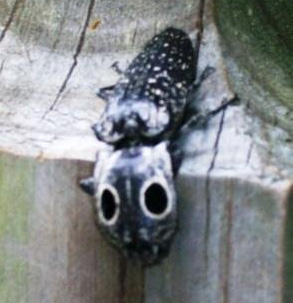
Eyed Click Beetle: Dramatic Defense Mimicry in a Harmless Insect
The eyed click beetle sports false eyespots to scare predators—real eyes are small. Youve likely encountered smaller click beetles that snap upright when placed on their backs. Larvae (wireworms) feed on plant roots but
Breaking Up Aeration Plugs: Simple Drag Methods
If rain doesnt dissolve aeration plugs, drag a 6x6 ft piece of chain-link fence, carpet, or a single landscape timber across the lawn. The plugs help control thatch while aeration channels deepen water penetration. No ne
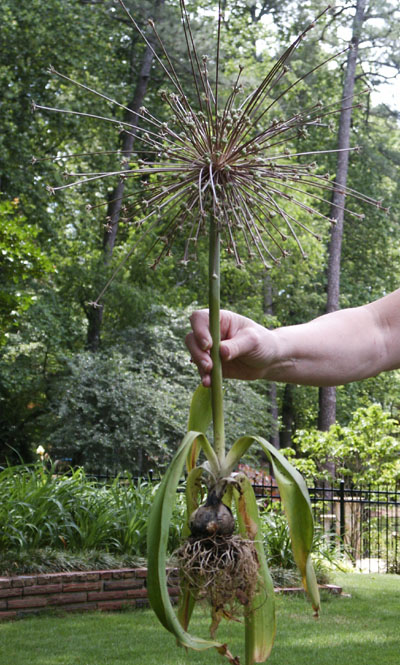
Tumbleweed Onion Identification: Allium schubertii's Dramatic Seedheads
The unusual dried specimen is tumbleweed onion (Allium schubertii). Its distinctive exploding-firework seedheads make spectacular dried arrangements. A fascinating ornamental onion worth growing for its architectural dri
Drought Watering for Mature Oaks: Survival Irrigation Formula
For drought-stressed oaks, apply survival watering: 2 gallons per inch of trunk diameter (measured at 4.5 ft) per day since last watering. Example: 10-inch diameter tree, 7 days since rain = 140 gallons (2×10×7). A typic
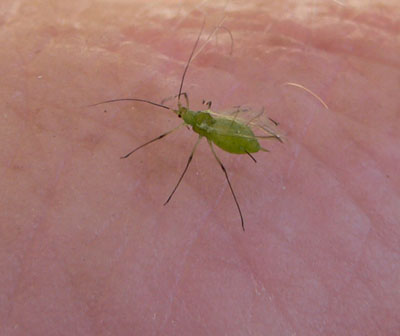
Green Peach Aphid on Roses: Identification by Cornicles
Those rear spikelets on the green bug are cornicles—aphid hallmark structures secreting defensive fluids. This is likely green peach aphid. They damage plants by sucking sap; undigested sap becomes sticky honeydew, hosti
Carpenter Bees and Pollinator Law: No Georgia Statute Protects Them
No Georgia law prohibits killing carpenter bees or other non-honeybee pollinators. State code addresses honeybee management only. Carpenter bees are poor pollinators—their size lets them rob nectar without contacting rep
Copyright © www.100flowers.win Botanic Garden All Rights Reserved