

Pruning 'Angel's Blush' Hydrangea: Timing and Tips
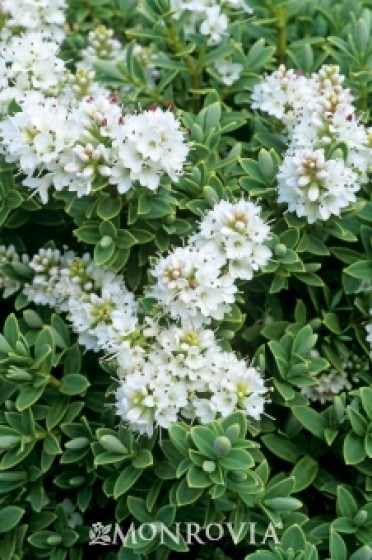
Angels Blush is a panicle hydrangea (Hydrangea paniculata) that blooms on new wood, producing white cone-shaped flowers in summer that age to pinkish-red. Because it flowers on current-season growth, you can prune it in

Stop Purple Leaf Plum Fruit Production with Florel Spray
If purple leaf plums are producing so much fruit that limbs bend and the ground becomes a mess, you can prevent fruit set by spraying ethephon (sold as Florel) at bloom time. The hormone causes flowers to drop before the
Planting Rye Grass in Cold Soil: Better to Wait for Fescue
Mid-winter soil temperatures around 40°F are too cold for reliable ryegrass germination—both rye and tall fescue need soil above 50°F. While you could try covering seeded areas with black compost or clear plastic to warm
Orange Powder on Zoysiagrass? It's Likely Rust Disease
An orange, powdery coating on zoysiagrass blades is a classic sign of rust disease. While more common in cool, moist conditions of late fall, it can appear anytime—especially in shady areas. To manage it: mow every 4–5
Transplanted Oak Trees: When Are Roots Fully Anchored?
Four years after transplanting 15-foot oaks from the woods, youve lost three but four are thriving. The big question: how long until the new root systems provide the same wind resistance as naturally grown trees? Four y
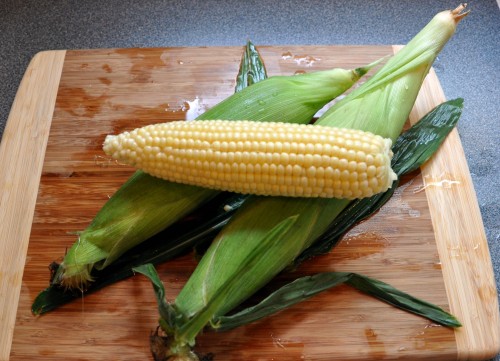
How to Tell When Sweet Corn Is Perfectly Ripe
Knowing exactly when to pick sweet corn can be tricky. Unlike blueberries that turn a deep blue when ready, corn doesnt offer such an obvious visual cue. If you leave ears on the stalk too long, the kernels become starch
Reblooming Iris: Society and Catalogs, But Performance Varies by Region
Reblooming Iris Society (rebloomingiris.com). Rebloom without winter chill; affected by fertility and night temps. Research before buying—some only repeat in certain regions. Not all rebloom everywhere.
Italian Arum Seed Collection: Red Berries, Clean, Plant Immediately in Shade
Wait for red berries, stalk ready to fall. Clean pulp in water; plant hard black seeds immediately in shade. ~100% germination. Two years to mottled leaves. Easy, reliable propagation.
Chicken Litter on 5-Acre Yard: Good Fertilizer, Test Nutrients
Chicken litter works—Walters dad used hen manure 20 years. Test nutrient content via Extension (404-897-6261) to match grass needs. Smell is only drawback. Free, effective, local.
Reblooming Daylilies: Varieties and Care for Extended Bloom
Daylilies vary in rebloom. Happy Returns, Stella de Oro famous, but dozens more. Jack Joiner (GA Hemerocallis Society): rebloom depends on sun, water, nutrition. List: Moonlit Masquerade, Orange Velvet, Aarons Little Who
Sweetening Blackberries: More Sun Helps, But Powdered Sugar Works Too
Apache (thornless) and Kiowa (thorny) are large but not very sweet. More sun = more sugar, but Kiowa needs to be overripe. Dust with powdered sugar or add whipped cream for dessert. Genetics limit sweetness.
Algae on Bare Soil in Shady Bermudagrass: Fix Drainage, Add Soil Conditioner
Black crust = algae on wet, bare soil. Caused by poor drainage + sun. Fix: regrade for drainage, mix in soil conditioner. Allows plants, not algae, to grow. Drainage solves it.
Pond Tadpoles: Natural Predators Keep Frog Numbers in Check
Hundreds of tadpoles = future frogs. But birds, raccoons, dogs, snakes eat them. Population self-limits. Enjoy night chorus; volume fades by late summer. Nature balances it.
Deadheading Knock Out Roses: Weekly Twist-Off + Monthly Hard Prune
Knock Out roses bloom continuously if deadheaded. Weekly: twist off spent buds. Every 4 weeks: cut long stems back by half. Removes hormone-filled hips that slow blooming. Double, Blushing, Pink Knock Outs also available
Fire Ant Control on 84-Acre Pasture: Methoprene, Hydramethylnon, or Spinosad
Three pasture-labeled products: Methoprene (Extinguish, growth regulator), Hydramethylnon (Amdro Pro, slow bait), Spinosad (Justice, natural nerve toxin). Treating 84 acres is costly. Better: declare smaller dog-training
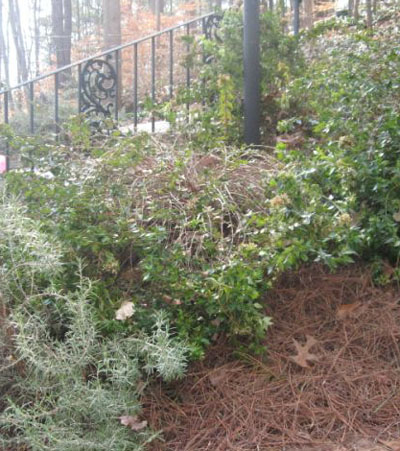
Abelia 'Little Richard' Losing Inner Leaves: Likely Heat Stress, Should Recover
Planted Nov 2007, lost inner leaves in 2008 heat. Tips still green—good sign. Should releaf in spring. No action needed; patience.
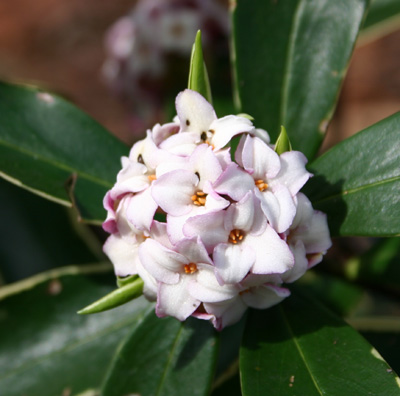
Daphne Odora: Fragrant But Poisonous—Don't Drink the Water
Daphne flowers smell divine but contain mezerein toxin. Sipping flower water is risky. Many edible flowers exist (roses, pansies, nasturtium). Enjoy scent, not taste.
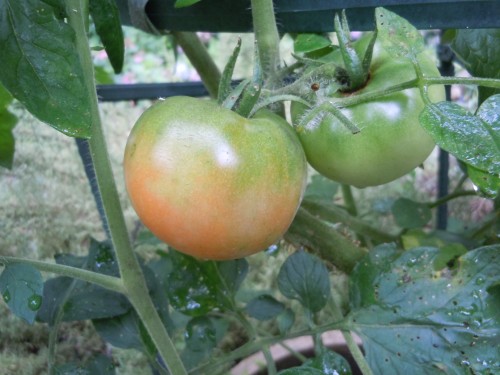
When to Pick Tomatoes: Breaker Stage (Half Green, Half Pink) for Best Flavor
95°F (orange-red result). Cool temps slow ripening; 85°F ideal. Full red ripe = peak flavor, but doesnt need to be on vine.
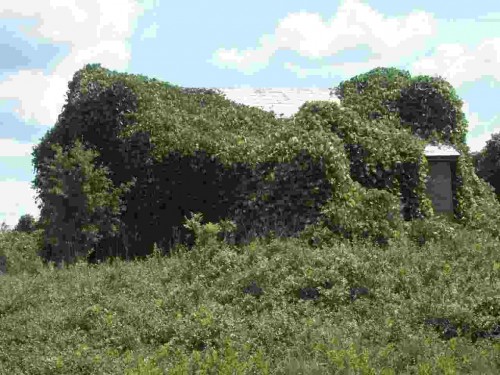
Kudzu Control with Glyphosate: Slow but Best for Homeowners
Glyphosate inhibits enzyme, slowly depletes amino acids. Takes days to show effect; may not reach all roots in one spray. Reapply as sprouts emerge. Best homeowner option. Be patient.
Crabgrass Identification Pictures: University of Michigan Seedling Guide
University of Michigan weed science has seedling photos. Mature weed pictures at Walter Reeves Weeds – Identification with Pictures page. Good visual references for ID.
Copyright © www.100flowers.win Botanic Garden All Rights Reserved