

Low-Maintenance Flower Beds: The Truth About Weed Barrier Fabric
Weed barrier fabric can work well under pine straw mulch—but only if you commit to annual maintenance. Irrigation systems cause straw to decompose rapidly, creating a compost layer on top of the fabric where weed seeds r

Tomatoes in EarthBoxes: Fixing Excessive Growth and Poor Fruiting
If your EarthBox tomatoes grew seven feet tall in three weeks but produced only five fruits total, over-fertilization is the culprit. When tomatoes receive excessive nitrogen, they channel all energy into vine growth at
String Trimmer Damage to Peach Trees: Assessing and Preventing Bark Injury
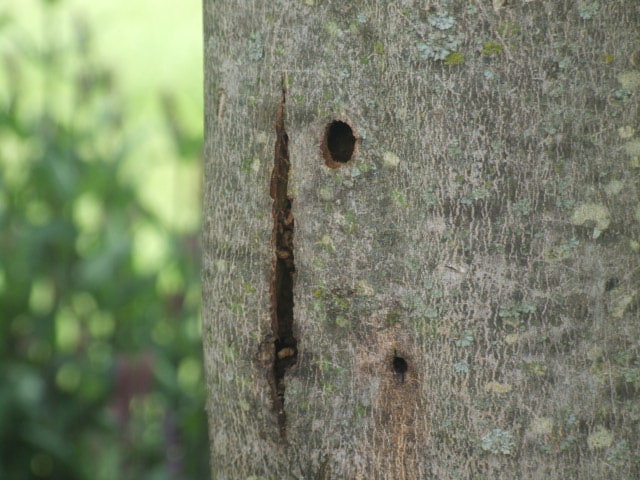
Bark damage from a string trimmer can be serious—potentially fatal if the injury encircles the trunk. If bark was stripped down to the cambium layer (the living tissue beneath the outer bark), branches directly above tha
Watering New Plants: When to Water and Evening Watering Myths
If you can avoid wetting the foliage, you can water new plants—begonias, daylilies, black-eyed Susans, and others—at any time, morning or evening. The old wives tale against evening watering stems from disease concerns w
Witch Hazel Gall Aphid on Fothergilla: Identifying Those Cone-Like Growths
Those strange cone-like shapes on your fothergilla leaves are caused by witch hazel gall aphid. Fothergilla (witch elder) belongs to the same family as witch hazel (Hamamelis) and winter hazel (Corylopsis), all of which
Removing Crape Myrtle Suckers: Best Practices for Trunk Sprout Control
Now is an excellent time to remove trunk sprouts (suckers) from crape myrtles, maples, crabapples, flowering cherries, and similar trees. These vigorous shoots steal water and nutrients from the main canopy if left unche
Hemlock Woolly Adelgid: Identifying and Managing This Invasive Threat
If your hemlock trees along the Soque River show progressive branch dieback and decline, theyre likely infested with hemlock woolly adelgid—an invasive, aphid-like insect native to Japan. This pest has devastated thousan
Free Tree Seedlings in Georgia: Georgia Forestry Commission Programs
The University of Georgia doesnt offer free seedlings to residents, but the Georgia Forestry Commission does. Their Reforestation Department sells several species of seedling trees—including dogwood, crabapple, red maple
Why Topping Maple Trees Doesn't Create Fuller Growth
Pruning the tops of young, skinny maple trees wont make them fill out—and understanding why requires a bit of plant physiology. When you remove branch tips, you eliminate the source of hormones that regulate nearby twig
Transplanting Pampas Grass: Timing and Techniques for Success
Moving large clumps of pampas grass during construction season presents challenges, but survival is possible with the right approach. While most experts agree that spring transplanting yields better results for ornamenta
Managing Palmetto Bugs: Effective Control Strategies
Whenever I spot our canister vacuum sitting in the middle of the floor with a plastic bag taped over the nozzle, I know my wife has captured another palmetto bug that made its way indoors. We rely on traps placed near ea
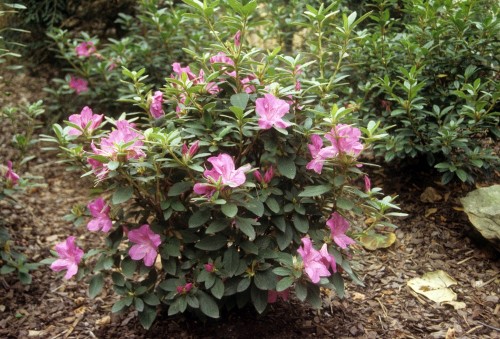
Pruning Encore Azaleas Without Losing Blooms
Encore azaleas bloom in both spring and fall. The ideal pruning window is immediately after the spring flush finishes—this gives the plant time to set buds for autumn flowers. If you must prune before spring, selectively
Controlling Thrips on Indoor Arugula with Spinosad
Pyrethrin sprays can burn tender arugula leaves. For edible greens grown indoors, spinosad (Green Light Lawn & Garden Spray) is a safer, organically derived option labeled for thrips control on vegetables. Its derived fr
Mealybugs on Dracaena: Treatment Options
Tiny white cottony masses on dracaena leaves and stems are mealybugs. Wipe off what you can, then spray thoroughly with insecticidal soap or a pyrethrin-based houseplant insecticide. Repeat applications at monthly interv
Growing Noble Fir in the South? Better Alternatives
Noble fir (Abies procera) is native to cool, maritime Oregon forests and struggles in Southern heat. Its slow-growing (50 feet in 50 years) and rarely available as a live tree. For a similar look in the landscape, consid
Overwintering a Garden Poinsettia
A poinsettia planted in the ground wont survive freezing temperatures. The best way to keep it year-round is to grow it in a 14-inch clay pot plunged into the garden after the last spring frost. Water when wilted, fertil
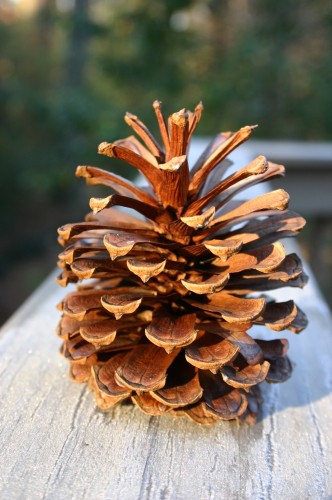
How to Open Pine Cones for Crafts
Closed pine cones from the woods open easily with a simple heat treatment: soak them in water for an hour, then place in a 170°F oven until they open fully—usually 30–60 minutes. The moisture softens the scales, and the
Mother-in-Law's Tongue Bloomed—Should You Repot?
Sansevieria (mother-in-laws tongue) often blooms when its roots are crowded. If you like the look and the plant is healthy, theres no need to repot—blooming is a sign of maturity, not distress. Only repot if the plant is
Small Holes in Rose Canes? Likely Leafcutter or Carpenter Bees
Tiny holes at the tops of freshly pruned rose canes that lead to dieback are usually the work of leafcutter bees or small carpenter bees—not a pruning mistake. These solitary bees bore into the soft pith to lay eggs. Ros
Controlling Invasive Sweetgum Trees with Arsenal Herbicide
Sweetgums taking over a small farm can be controlled with imazapyr (Arsenal), a restricted-use herbicide. Because it can sterilize soil for a year if misapplied, youll need a private applicator license—obtainable through
Copyright © www.100flowers.win Botanic Garden All Rights Reserved