


Poplar Bark Damage from Equipment: Proper Wound Care
When grading equipment scrapes bark off a poplar, use a sharp knife to trim loose bark back to where it adheres firmly. The tree will naturally wall off the wound and begin sealing it. Do not apply tar—thick coatings tra

Malabar Spinach Leaf Spot: Safe to Eat After Removing Affected Leaves
Malabar spinach (Basella rubra)—a heat-loving vine with red stems and deep green leaves—is an excellent summer spinach substitute. Fungal leaf spots occur occasionally; simply remove affected leaves and prepare the rest
Coconut Palms in Georgia: Tropical Dreams Meet Climate Reality
Coconut palms are heavily damaged below freezing and only grow reliably from Miami southward. Your backyard piña colada dreams wont work in Georgia. However, a south-facing wall might allow banana cultivation with occasi
Yoshino Cherry Root Rot: Poor Drainage Spells Death for Flowering Cherries
Flowering cherry roots require constant gas exchange—they must breathe. Standing water, unamended clay, or deep planting causes root rot. Your tree in the poorly drained spot is unlikely to survive. Remove it, incorporat
Kudzu for Biofuel: Why This Invasive Vine Won't Power Cars
Despite kudzus massive growth, it yields only 2-3 tons of dry matter per acre—less than bermudagrass hay (3-4 tons). Heavy harvesting decimates kudzu stands within a few years, unlike sustainable hay crops. Harvesting lo
Hemlock Decline in Summer Heat: The Critical Drainage Requirement
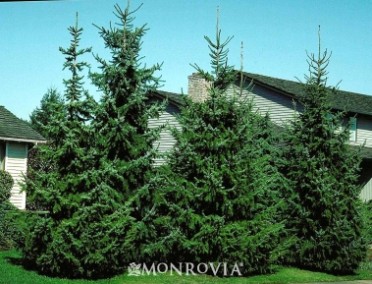
Hemlocks need three things: drainage, drainage, and drainage. They thrive in rocky, well-drained mountain soils with consistent moisture—not wet feet. This summers excessive rainfall has been devastating for hemlocks (an
Growing Cipollini Onions: Planting Time and Harvest Tips
Cipollini onions—small, flat Italian onions in white, yellow, and red—develop sweet, creamy texture with balanced pungency at maturity. Plant seeds now, ½ deep and 3 apart. Seedlings overwinter easily and resume rapid gr
Chrysanthemum Bloom Timing: The Long-Night Requirement
Chrysanthemums are short-day plants requiring long nights (12+ hours of darkness) to bloom. Buds form based on temperature and leaf count, but wont open until several weeks of long nights occur. Some cultivars respond fa
Plumosa Fern Winter Care: A Tender Asparagus Relative Indoors
Plumosa fern (Asparagus plumosus) isnt a true fern but an asparagus family member with lacy, dark green foliage and stem thorns. It makes an excellent houseplant in a sunny window. Reduce size by half now if needed for i
Sweetgum Leaf Diseases: Anthracnose and Leaf Spot in Humid Summers
Premature fall color with black spots on sweetgum leaves indicates fungal disease—either sweetgum anthracnose (Gloeosporium nervisequum) or sweetgum leaf spot (Cercospora liquidambaris). Hot, humid July/August weather tr
Overwintering 'Miss Muffett' Caladium in Chatham County: Not Reliable
Miss Muffett caladium (chartreuse dwarf with red spots) requires soil temperatures above 60°F. Savannahs January soil averages in the low 50s—too cold for reliable tuber survival. Even in south Georgia, caladiums are onl
Catalpa Worm Control: Using Bt for Caterpillar Management
Catalpa worms (caterpillars) defoliate trees annually, creating a mess. The easiest control is Bacillus thuringiensis (Bt) products—Green Light Worm Killer, Dipel, Caterpillar Attack. Apply in late July with a hose-end t
Identifying Lizard Droppings: The White-Tip Signature
Black droppings (~1/8 diameter, <1/4 long) with white tips are classic lizard scat. Reptiles excrete both feces and urine through a single opening (the cloaca). Their highly concentrated urine forms uric acid crystals—th
Tree Well Safety Hazards: Lattice Covers as a Practical Solution
Six-foot-deep tree wells are safety hazards for people and animals, and arborists generally condemn them as tree protection methods. While a properly constructed well (with stone layers, breathing tubes, and sandy topsoi
Sawtooth Oak Identification: The "Mop-Head" Acorn Culprit
Oaks with bristly, mop-head acorn caps are likely sawtooth oak (Quercus acutissima), an Asian species planted for wildlife attraction. Unfortunately, these acorns sprout so aggressively the tree becomes invasive, crowdin
Spider Webs on Boxwoods: Beneficial Predators, Not Pests
Those spider webs on your boxwoods are friends, not foes. Theyre likely newly hatched spiders—most will die off naturally within weeks. More importantly, spiders prey on boxwood leaf miners, a destructive pest that tunne
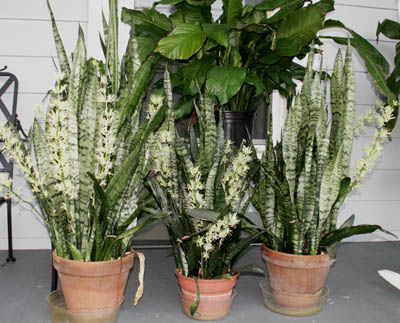
Snake Plant Blooming: Why Root-Bound Succulents Flower
Many succulents—including snake plant (sansevieria), jade plant, and bird-of-paradise—bloom best when root-bound. After 20+ years in pots, your snake plants finally flowered. Dozens of sansevieria species exist; most hav
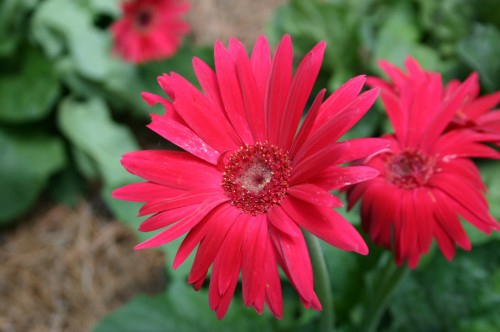
Growing Gerbera Daisies for a Wedding: The Two-Month Challenge
Gerbera daisies are stunning when happy, dead when not—their typical garden lifespan is just two months. These South African natives demand sandy soil, consistent moisture, and regular feeding. For wedding timing, create
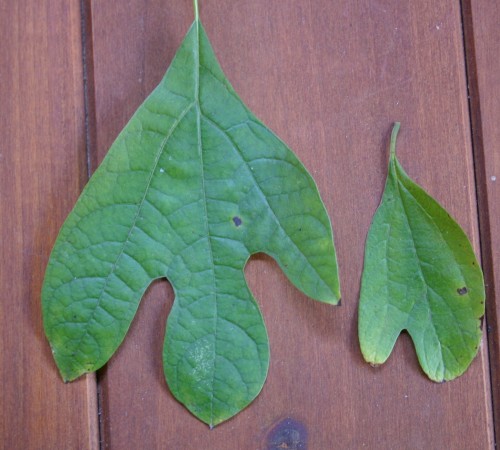
Sassafras Tea: Nostalgic Tradition vs. Modern Safety Concerns
Sassafras tea was a childhood spring tonic for many—roots dug, scrubbed, simmered, and sweetened. However, research revealed safrole (the primary flavor compound) causes cancer in animal tests. The FDA banned safrole as
Transplanting Lawn Sod: Using a Sod Cutter for Cheap Grass
If your sisters developer-bound property has good grass, rent a sod cutter (available at large equipment yards) to harvest strips for your lawn. These machines are noisy and vibrate intensely but cut perfect sod strips.
Copyright © www.100flowers.win Botanic Garden All Rights Reserved