


Cyclamen Dormancy: Normal Summer Rest Period for Potted Plants
Cyclamen naturally go dormant after blooming. If yours had bright winter light, the tuber may have energy for another cycle. Keep outdoors in dense shade, pot on side (no water). In fall, bring to bright, cool indoor spo

Gasoline as Herbicide: Cheaper Than Roundup? False Economy and Pollution
Gasoline kills foliage faster than Roundup but doesnt translocate to roots—plants resprout. Cost: 10 gallons gasoline ≈ $30; 1 quart 18% Roundup ≈ $25 makes 10 gallons spray. Gasoline is MORE expensive, pollutes soil/wat
Camellia Propagation: Air Layering Success for Difficult Cuttings
When camellia cuttings fail to root, try air layering: wound a pencil-thick stem, apply rooting hormone, wrap with damp sphagnum moss and plastic (I prefer aluminum foil over plastic). Roots form at the wound. Clear inst
Dogwood Decline: Grass Competition, Not Irrigation, Is the Problem
Irrigating lawn doesnt water trees—grass roots outcompete tree roots at the soil surface. Your 26-year-old dogwood in full sun is near its 25-30 year lifespan. Younger dogwoods need mulch rings, not grass, to reduce root
Bloodgood Japanese Maple Color Loss: Seedling Variation or Heat Stress
Container Bloodgood Japanese maple losing red color has two likely causes: (1) seedling-grown tree isnt true Bloodgood (color varies), or (2) high night temperatures increase respiration, consuming sugars that maintain r
Annual Bluegrass vs. Crabgrass Prevention: Siduron's Selective Limitation
The TV guru referenced siduron (in Scotts Starter Fertilizer + Crabgrass Preventer), which allows fescue seeding while preventing crabgrass. However, siduron does NOT control annual bluegrass. Fall bluegrass control in f
Landscape Design Certification: APLD Requirements and Local Training
The Association of Professional Landscape Designers (APLD) offers certification requiring 2 years field experience and 12 credit hours in landscape design courses. Local institutions provide coursework (listed at horticu
Blueberries in Pure Pine Bark: Southern Highbush Container Culture
Southern highbush blueberries (ONeal, Cape Fear, Summit) thrive in pure screened pine bark (¼ particles or less) in 50-gallon drums with drip irrigation. Bark culture is trickier for fertilizer/water management than soil
Fragrant Roses for the South: Why Scent and Disease Resistance Conflict
Rose breeders dont intentionally remove fragrance, but hybridizing for perfect tea roses inadvertently reduces scent. Highly fragrant roses tend to be disease-prone and winter-tender. Jim Kelleys curated list of Southern
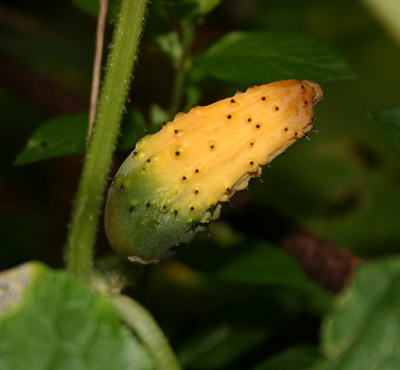
Cucumber Pollination Failure: Attract Bees or Plant Parthenocarpic Varieties
Healthy cucumber plants with prolific blooms but tiny fruit = poor pollination. Bees must visit flowers multiple times daily. Plant diverse flowers nearby to attract pollinators. Alternatively, grow parthenocarpic variet
Gasoline Spill on Lawn: Fast Remediation by Soil Replacement
For quick recovery from a gasoline spill: remove 2 inches of contaminated soil, replace with 1 inch of planting soil, lay sod. Spread contaminated soil thinly under shrubs/trees or bag for trash. Soil microbes eventually
Blueberry Cane Renewal: Annual Pruning for Sustained Production
3-4 old canes (brown, barky), remove the oldest and allow 1-2 new ones to replace it. Repeat annually—your bush renews completely every 5 years, maintaining vigor and productivity.
Crapemyrtle in Zone 5: Winter Dieback but Summer Blooms Possible
In Ohio (Zone 5), Red Rocket crapemyrtle dies to the ground each winter but resprouts from roots. Like Southern magnolias that stay shrubby in the North, crapemyrtles become dieback shrubs rather than trees. Good news: t
Container Bougainvillea Bloom Failure: Pot Size and Moisture Management
One-gallon pots dry too fast for bougainvillea. Move to 14-inch pots for consistent moisture. Full sun, evenly moist soil, half-strength houseplant fertilizer every two weeks. Cut back to manageable size in September for
Stargazer Lily Post-Bloom Care: Deadhead Only, Leave Stems
Remove only seed pods and faded flowers from Stargazer lilies. The stem leaves photosynthesize and store energy in the bulb for next years bloom. Cut the entire stalk to ground only after frost kills the top growth in No
David Viburnum Fruit Set: Genetic Diversity Required for Pollination
Viburnum davidii is functionally dioecious—individual flowers act as pollen donors or receivers, but strict male/female separation doesnt exist. However, fruit requires cross-pollination between genetically distinct plan
Harvesting Bell Peppers: Vine-Ripened for Best Flavor and Nutrition
Bell peppers are edible at any color but most flavorful and nutritious when fully ripened on the plant. If squirrels threaten, watch for first yellow on the blossom end, then bring indoors to ripen on a kitchen window. A
Morning Glory Seed Bank: Why Pulling Isn't Enough
Morning glory persists because of its seed bank—not all seeds germinate the next year; some wait up to 5 years. You must control EVERY plant for 5+ years to deplete the bank. Weeds are natures successful competitors. Kee
Rose Fertilizer Numbers: Sequential High-N then High-P for Blooms
High first number (N) = vegetative growth; high middle number (P) = bloom support. Use 12-6-10 at spring growth start. Four weeks later, switch to 10-60-10 for phosphorus boost. After first major flush, return to 12-6-10
Asparagus in West Georgia: Modern Varieties Triple Yields
Asparagus thrives in west Georgia as a perennial. Plants are male or female—males produce fewer but larger spears. Old varieties (Mary Washington) are far less productive than modern all-male hybrids: Jersey Giant, Jerse
Copyright © www.100flowers.win Botanic Garden All Rights Reserved