
Aphids on Alliums: Simple Organic Controls for Onions, Garlic, Chives
Black bugs on green onions, chives, or garlic are onion aphids—a spring classic. Best controls are organic: blast off with strong water stream or apply insecticidal soap. Beneficial insects will soon arrive to help. No h

Tobacco Budworm on Roses: Hidden Caterpillars Require Systemic + Spray
Rose buds with gooey brown centers indicate tobacco budworm—caterpillars that bore into buds, hiding from contact sprays. Control requires regular spinosad sprays (Captain Jacks Dead Bug Brew) plus an annual imidacloprid
Growing Ramps (Wild Leeks) in Home Gardens
Ramps (Allium tricoccum)—native wild onions with broad spring leaves and onion-garlic flavor—can be cultivated from seed (available from Ramp Farm Specialties). Mountain communities eat the leaves as spring greens. They
Soaker Hose Runtime: The 6-Inch Depth Rule
Run soaker hoses long enough to wet soil 6 inches deep. Most emit 1 gallon per foot per hour. One hour weekly is a reasonable starting point. Adjust based on soil type, weather, and plant needs—check depth with a probe o
Weed Control Under Low Decks: Fabric or Sterilants
For weeds growing through deck boards: hire kids to lay weed barrier fabric underneath (cut around posts), or use soil sterilants like prometon (Green Light Com-Pleet) or imazapyr (Ortho GroundClear)—ONLY if no ornamenta
Building a Treehouse on Pines: Platform Design on Multiple Trunks
Pine branches are often too high for traditional treehouses, but a platform supported by 4x4 posts around multiple nearby trunks works well. Build a 12x12 platform 6 feet up with 3-foot safety railings. Dr. Kim Coders Tr
Crapemyrtle Sooty Mold: The Aphid-Honeydew Connection
Black sooty coating on crapemyrtle leaves and ground beneath = crapemyrtle aphids. They suck sap, excrete sticky honeydew, and sooty mold grows on it. Thorough insecticidal soap sprays every few days work, but blasting l
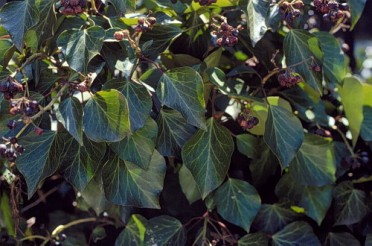
English Ivy Dieback: Fungal/Bacterial Leaf Spot from Excess Moisture
English ivy dieback after a rainy spring/summer suggests fungal or bacterial leaf spot—both thrive with prolonged leaf wetness. The problem rarely persists beyond one season unless ivy grows near streams or receives regu
Red Fox Family in Suburban Woods: Coexistence Over Removal
Georgia DNR doesnt trap/relocate foxes due to disease concerns. Wildlife control companies must euthanize captured foxes. Best approach: ensure pets have current rabies vaccinations and enjoy the foxes as part of your wo
Pesticide Residue in Former Lawns: Safety for Vegetable Gardens
Modern pesticides are chemically organic and decompose via sunlight, water, and soil microbes. Banned chemicals (chlordane, DDT) persist years but eventually disappear. Modern insecticides like deltamethrin have half-liv
Pencil Tree Sap Injury: Euphorbia Latex Causes Severe Eye Damage
Pencil tree (Euphorbia tirucalli) produces highly caustic latex sap. Eye contact causes severe burning, blurred vision, dizziness—potential corneal damage and blindness without immediate treatment. All Euphorbia species
Seed Viability: One-Year-Old Cosmos and Zinnia Seeds Are Fine
One-year-old cosmos and zinnia seeds stored in reasonable conditions (not too hot/cold) should germinate at 80%+. Test by rolling in damp paper towel, sealing in a plastic bag, and placing atop the refrigerator for a wee
Grafting Fruit Trees: Rootstock Selection for Size Control
Rootstock choice determines mature tree size. For full-size apples, graft onto pencil-to-broomstick seedlings. For dwarfs, buy Malling rootstocks online. Pears on Callery rootstock yield full-size trees; dwarf pears are
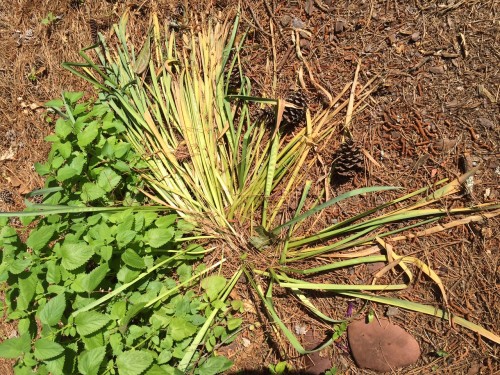
Transplanting Daffodils: Timing and Soil Preparation for Success
Move daffodils after foliage yellows—this signals the bulb has stored maximum energy. If the new site has poor soil, incorporate 2 cubic feet of soil conditioner per 10 square feet, tilled 10 inches deep. Plant bulbs wit
Yellow Mushrooms in Schefflera: A Sign of Overwatering
Neon yellow mushrooms at the base of your schefflera are the flowers of a fungus thriving on excess moisture. Theyre harmless—just decomposing peat moss in the potting mix. Cure: water only when your finger inserted 1 in
Angel Trumpet Toxicity: Contextualizing Plant Poison Risks
If you avoid all poisonous plants, youd remove mountain laurel, azaleas, rhododendrons, Carolina jessamine, boxwood, daffodils, clematis, Virginia creeper, privet, burning bush, elephant ear, lantana, oleander, arborvita
'Celeste' Fig Care: Understanding Breba vs. Main Crop and Fertilization
You likely have Celeste (not Celestial) fig. Figs attempt two crops: breba (early summer on old wood) and main crop (late summer on new wood). Winter pruning removes breba wood. Celeste has minimal breba crop; mild winte
Fixing Fescue Contamination in Bermudagrass: Low Mowing as Selective Control
Accidentally overseeded fescue into bermudagrass? Exploit their different mowing tolerances. Bermudagrass thrives at 1-2 inches; fescue cannot. Regular low mowing will eliminate fescue naturally as summer heat arrives. T
Milky Spore in Compost: Why It Won't Persist or Spread
Milky spore bacteria (Bacillus popilliae) controls Japanese beetle grubs slowly in lawns. In compost heaps, it wont persist—it requires living grub hosts to multiply. Without abundant grubs, heat and decomposition destro
Growing Agaves in Georgia: Drainage Is the Deciding Factor
Some agaves (century plants) thrive in Georgia, especially the southern half. In metro Atlanta, winter wet kills more than cold. Angie Corder at Randys Perennials grows a 5-foot Agave americana successfully. Key: EXTREME
Copyright © www.100flowers.win Botanic Garden All Rights Reserved