


Tomato Sucker Management: Balancing Fruit Size and Yield
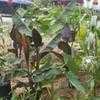
A tomato sucker is a shoot emerging between the main stem and a leaf—not defined by stem texture. Left alone, it fruits but reduces size of fruit above by intercepting nutrients. Removing suckers maximizes sun-facing lea

Overwintering Petunias: Perennial Hybrids Survive Georgia Winters
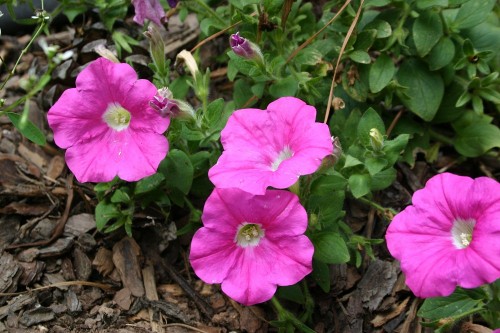
Traditional petunias (Petunia grandiflora) are annuals, but modern hybrids contain perennial Petunia integrifolia genetics (try saying that three times fast!). Wave and Tidal Wave series tolerate 20s temperatures. Since
Severely Pruned Crapemyrtles: Why Heavy Cutting Prevents Blooms
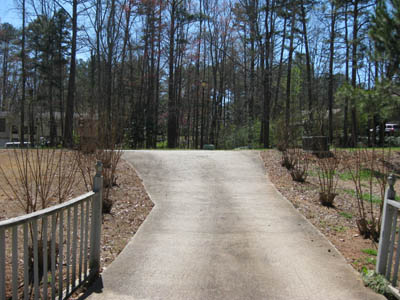
Carolina Beauty crapemyrtles are naturally upright, 20+ foot trees. Severe annual pruning forces them into perpetual growth mode instead of flowering mode. Stop heavy pruning; let them reach mature height (a few years) a
Accidental Roundup on Dormant Bermudagrass: Recovery Expectations
One Roundup application rarely kills bermudagrass outright, even if sprayed during apparent dormancy. Dead patches should recover slowly, becoming healthy by mid-June. If no green appears by early May, replace with sod.
Carpetgrass vs. Centipedegrass: Why the Mix Favors Centipede Long-Term
Carpetgrass in your mix wont persist—it demands constant moisture, fades in summer heat, produces ugly seedheads every 5 days, has poor cold tolerance, and greens up slowly in spring. Its only suited for wet, shady, low-
Zero-Phosphorus Fertilizers: Environmental Sense for Georgia Lawns
Metro Atlanta soils typically have medium-to-high phosphorus levels. At proper pH (6.0-6.5), grass extracts all needed phosphorus without additions. Zero-phosphorus fertilizers (10-0-10, etc.) prevent granule runoff into
Chili Thrips: A Florida Rose Pest Not Yet in Georgia
Chili thrips—a new rose pest in Florida causing severe leaf distortion resembling herbicide damage—havent reached Georgia yet. They attack roses, strawberries, cucumbers, viburnum, blueberries, and more. Control options
Pomegranate Bloom Drop: Pollinator Deficiency as the Likely Cause
Healthy pomegranates dropping blooms before fruit set usually indicates pollination failure. Small insects, moths, and hummingbirds are the pollinators. Nearby insecticide spraying could be the culprit. Plant pollinator-
Ortho GroundClear Residue: Why You Can't Neutralize Imazapyr
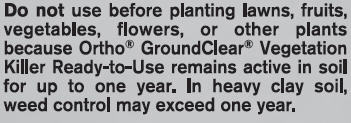
Ortho GroundClear contains imazapyr, which provides year-long vegetation control with a 90-day soil half-life. It cannot be neutralized. Tilling and adding soil conditioner *might* accelerate breakdown, but spring planti
St. Augustine Grass Establishment: Spring Planting Only, No Seed
St. Augustine grass doesnt produce viable seed—you must plant sod or sprigs in spring when soil warms. For a November project completion, plant ryegrass now to stabilize soil, kill it in late April, then install St. Augu
Woolly Apple Aphid: Root and Bark Feeder Requiring Dual Treatment
Swollen, disfigured lower trunk and knotted roots indicate woolly apple aphid—unlike most aphids, this species feeds on bark and roots, not leaves. Control requires persistent horticultural oil sprays in spring when nymp
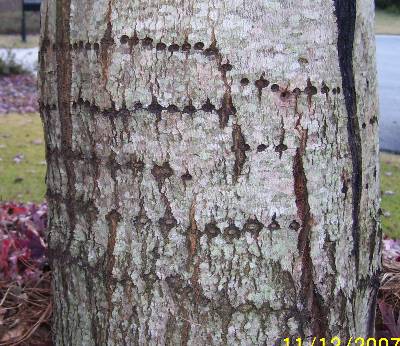
Sapsucker Damage on Pecans: No Effective Repellents Found
Yellow-bellied sapsuckers drilling holes in pecan trees remain a frustrating problem. Bartlett Tree Research Lab tested three bitter-tasting repellent compounds—none worked. No effective deterrent has been discovered yet
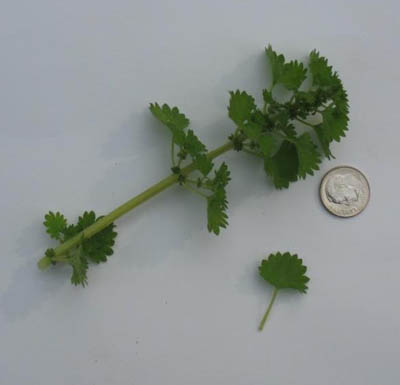
Fireweed Control in Pastures: Resistant to Standard Herbicides
Fireweed (Urtica chamaedryoides)—a winter annual sprouting in October, gone by June—resists both 2,4-D and glyphosate. Effective control requires specific pasture herbicides: Remedy, PastureGard, or Milestone (available
Pollinizer Selection for 'Rambo' Apple: Mid-Season Bloomers
Rambo apples bloom mid-spring and require a compatible pollinizer within 50 feet. Good choices: Red Delicious, Granny Smith, Fuji, or Gala—all mid-season bloomers. Plant your second tree this fall or early spring for opt
Uneven Hickory Nut Production: The Mystery of Alternate Bearing
Nut trees often follow an on year/off year cycle—heavy crops exhaust reserves, leading to light crops the next year. But this doesnt explain why two adjacent hickories bear so differently. Root system differences may pla
Composting Massive Grass Clipping Piles: Two Effective Methods
For a huge grass clipping pile, add fertilizer weekly and water thoroughly—nitrogen and moisture accelerate decomposition. If no steam rises on chilly November mornings, build a proper compost windrow: 6 stick base for a
Forcing Pineapple Bloom: The Rotten Apple Ethylene Trick
Once a pineapple has 30+ leaves, you can force blooming with ethylene gas from a rotten apple. Place the apple in the plants center, cover both with a plastic bag (avoid direct sun), and remove after one week. A flower s
Earthworms in Gutters: Two Theories on How They Get There
How do earthworms reach second-story gutters? Two leading theories: (1) worms crawl up downspouts and deposit eggs, or (2) birds eating worms accidentally drop egg sacs on the roof. Neither involves magic, but both are p
Planting Thyme in Stone Walkways: A Living Joint Filler
Creeping thyme (Thymus serpyllum) thrives between stepping stones. Remove loose material to create 6-inch-deep slots, fill with planting soil, and plant thyme plugs. It gracefully covers stone edges, holds sand and grave
Rat Control in the Landscape: Eliminate Food Sources First
Rats in your yard are likely attracted by spilled birdseed. Switch to black oil sunflower seed only—birds consume it completely before it hits the ground. Cheap mixes with millet, cracked corn, or wheat cause messy forag
Copyright © www.100flowers.win Botanic Garden All Rights Reserved