
Calla Lily Rest Periods and Identification: Zantedeschia aethiopica
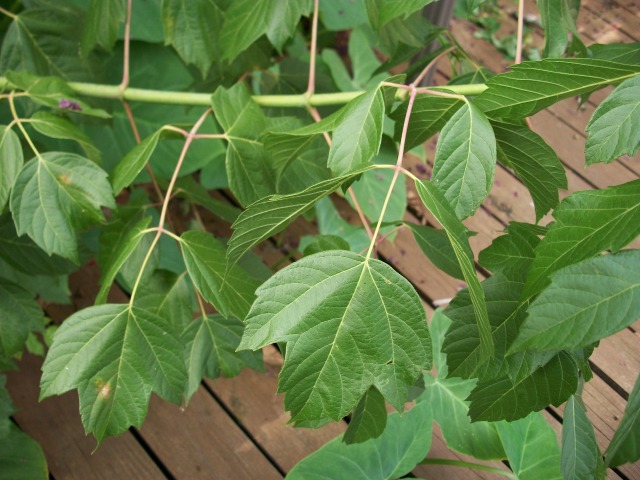
Your description—solid green leaves, white flowers ~12 inches tall, clump ~18 inches wide—points squarely to Zantedeschia aethiopica, the classic white calla (also called arum lily). Native to South Africa, its a robust,

How Hard Can You Prune Azaleas Without Killing Them?
Azaleas are remarkably forgiving of severe pruning—if timed correctly. You can cut them back to 6–12 inches above ground (rejuvenation pruning) and they will regrow vigorously. However, timing is everything. The Bud-Set
Finding Flowering Perennials for Part-Shade in Indiana
For a site between two large trees with afternoon/evening sun in Indiana (Zone 5–6), you need perennials that tolerate dry shade and root competition. Instead of a single plant, consider a curated mix from reputable spec
Caring for Freshly Transplanted Daylilies in Autumn
Transplanting daylilies in late September (Zone 5–6) is perfectly fine—theyre tough. Heres how to handle the foliage. Leave Green Leaves Alone As long as leaves are green, theyre photosynthesizing and sending energy to
Why Are My Hydrangea Blooms Green Instead of White?
Green hydrangea flowers are a common puzzle. If you have a bigleaf hydrangea (Hydrangea macrophylla)—especially Annabelle or similar—and the blooms stay green, several factors may be at play. 1. Premature Buds from Impr
When and How to Prune Azalea Bushes for Maximum Blooms
Azaleas set their flower buds in late summer to fall for the following spring. Pruning at the wrong time removes those buds and eliminates the next years display. Optimal Timing Prune immediately after flowering ends in
Pruning Cape Honeysuckle and Butterfly Bush for Winter
Timing and technique matter when preparing cape honeysuckle (Tecoma capensis) and butterfly bush (Buddleia davidii) for winter. Heres a zone-by-zone guide. Cape Honeysuckle (Zones 8–11) Prune after flowering finishes, t
Why Pot Size Determines Plant Growth: The Science Behind Container Gardening
A student project comparing the same plant in small versus large pots reveals a fundamental principle: root zone volume directly controls plant size and vigor. Heres why. Resource Availability A larger pot holds more so
Is There a Hardy Perennial Marigold for Illinois Gardens?
Gardeners in Illinois (Zones 5–6) often wonder if a truly hardy, perennial marigold exists. The short answer: no. Heres the detailed breakdown. The Marigold Family: Tagetes vs. Calendula True marigolds belong to the gen
Identifying and Treating Holes in Primrose Leaves
If your primroses (Primula spp.) show small, irregular holes in the foliage, the culprits are likely chewing insects such as slugs, snails, caterpillars, or beetles. Heres a stepwise, low-toxicity approach to diagnose an
Fall Care for Daylilies and Ornamental Grasses in Cold Climates
As winter approaches in Zone 5, many gardeners wonder whether to cut back daylilies and ornamental grasses. The answer depends on the plant type and your aesthetic preferences. Daylilies (Hemerocallis) Daylily foliage n
How to Eradicate Invasive Lily of the Valley from a Shade Garden
Lily of the valley (Convallaria majalis) can quickly become a relentless invader in shade borders, spreading via underground rhizomes that choke out neighboring plants. If youre facing a 22-year-old colony thats smotheri
Transplanting and Pruning Overgrown Rose of Sharon and Lilac in Zone 6a: Fall Timing and Methods
Rose of Sharon (Hibiscus syriacus) Adaptable — transplants well even mature. Best time: Fall after bloom (Oct–Nov). Method: Dig wide root ball; plant at same depth; water deeply; mulch. Prune: Late winter (remove ⅓ old
Protecting Dinnerplate Hibiscus from Insect Defoliation: Preventive Spraying Schedule
The Problem Hibiscus leaves are a magnet for Japanese beetles, sawflies, caterpillars. Lace-like damage = heavy feeding. Prevention Protocol Start 2 weeks after spring growth begins. Apply preventive insecticide every
Gardenia Not Blooming: Diagnostic Link and Indoor Winter Care for Potted Plants
Diagnostic Resource The Garden Helper — Gardenia Care — comprehensive guide to bud drop, yellow leaves, pests, and bloom triggers. Common Causes of No Buds Insufficient light (needs bright, 4+ hrs direct). Temperature
Indoor Care Basics (Zone 5) Bright south/east windows; grow lights help. Water sparingly — only when dry. Trim dead/stretched growth. Propagation: Water Method (Best Success) Take 3–4 inch tip cuttings (“slips”). Pla
Dividing Sedum ‘Autumn Joy’ and Hydrangeas: Timing, Root Ball Size, and Winter Mulch
Sedum ‘Autumn Joy’ Divide now (fall) — dig, cut crown into pieces with golf-ball-sized root balls. Replant immediately; water well. Mulch with cypress chips or leaves. Hydrangea Divide in fall or early spring. Need l
Alstroemeria Maintenance: Why Pulling (Not Cutting) Flower Stems Matters for Quality
The Technique Pull stems from the base — don’t cut. Grasp low and tug sharply. This removes the entire flowering shoot. Why It Matters Prevents seed set — seedlings from hybrids are inferior, variable. Stimulates new s
Propagating Roses from Rose Hips: Seed Stratification and Germination Protocol
The “Bulb” Is a Rose Hip Rose hips are the fruit — high in vitamin C, used for tea/jam. Ripe hips (red/pink) contain 3–4 seeds. Seed Germination Steps Clean seeds; remove pulp. Press into moist (not soggy) potting mix.
Why Garden Mums Disappear After Winter in Southern Ohio: The Hard Truth About “Hardy” Mums
The Myth Mums are labeled “hardy perennial” — but in reality, they rarely return reliably in cold, wet winter climates like southern Ohio. Why They Die Shallow roots rot in freeze-thaw cycles. Crowns heave out of soil.
Copyright © www.100flowers.win Botanic Garden All Rights Reserved