


Japanese Painted Ferns After Frost: Assessing Damage and Supporting Recovery
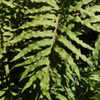
Understanding the Damage Repeated freeze-thaw cycles damage both fronds and roots. Ferns cannot be “shocked into dormancy” — dormancy is a gradual process. Brown, shriveled fronds are likely dead, but the crown may survi

Hostas After a Late Freeze: They Will Come Back — Here’s Why
What Happened Early emergence during a warm spell followed by a hard freeze (20s°F) caused foliage collapse — leaves turn mushy, like frozen lettuce. This is not fatal. Why They Recover Hostas (and daylilies) have multi
Perennials for Sun-and-Shade Beds: 20+ Plants That Thrive in Both Conditions
Versatile Perennials for Mixed Light The following tolerate full shade to full sun, making them ideal for beds with variable exposure: Astilbe — feathery plumes, moist soil Bleeding Heart (Dicentra) — spring blooms, goe
Verbena hybrida Care: Fertilizer, Water, Sun, and Deadheading for Continuous Blooms
Growing Requirements Sun: Full sun (6+ hours) essential for heavy flowering. Water: Once weekly without rain; avoid wet feet. Drought-tolerant once established. Fertilizer: Balanced 12-12-12 per label directions, monthl
Late-Blooming Tulips Flowering in April: Why Timing Failed and How to Salvage the Season
The Hard Truth Tulips bloom in early to mid-spring — not late May — even “late” varieties. In Maryland (Zone 7), peak tulip season is April. Your November planting was correct, but the bloom-time expectation was off by 4
Restoring Foliage on a Pruned Hibiscus: Diagnosing Tropical vs. Hardy Types
Critical Questions To advise correctly, I need to know: Is this a tropical hibiscus (glossy leaves, indoor winter) or hardy hibiscus (dies to ground, Zone 5+)? When and how severely was it pruned? Are there any leaves c
Growing Mammoth Elephant Ears in Pittsburgh: Planting, Care, and Winter Storage
Planting Time and Method Wait until mid-May when soil has warmed (65°F+). Plant corms pointed end down, covered by 4 inches of soil. Space 3–4 feet apart. They thrive in full sun to part shade with abundant water and hea
Flowering Plants for a Northeast-Facing Patio with Late Afternoon Sun in Northern Virginia
Site Analysis NE-facing patio with 2–4 hours of late afternoon sun = part shade. Impatiens wilt in summer heat without constant water. Begonias prefer more shade and consistent moisture — not ideal. Better Choices for P
Best Perennial Vines for Containers on a Sunny New Jersey Deck: Overwintering Strategies
The Container Challenge in Zone 6 Perennial vines in pots rarely survive Zone 6 winters outdoors — roots freeze solid. Your jasmine likely died from root freeze, not lack of hardiness. To succeed, you must either move po
Planting Salvias Now: Why Mild, Wet Weather Is Ideal for Transplanting
Don’t Wait — Plant Immediately Cool, damp conditions (like a rainy spring weekend) are perfect for transplanting salvias. Root hairs — critical for water uptake — are damaged during transplanting; mild weather slows plan
Managing Post-Bloom Daffodil Foliage: Why You Must Not Cut, Braid, or Bury Leaves
The Golden Rule Never remove, braid, tie, or bury daffodil foliage until it has completely yellowed and withered. The leaves photosynthesize to replenish the bulb for next year’s flowers. Premature removal = no blooms ne
Winter Behavior of Inca and Princess Lilies (Alstroemeria) in Sacramento Zone 9a
Hardiness and Winter Response Inca lilies (Alstroemeria aurantiaca) are hardy to Zone 7, tolerating brief dips to 10°F. Princess lilies (dwarf Alstroemeria) share similar hardiness but are evergreen only in mild climates
Dividing Anthuriums: Step-by-Step Propagation from Offshoots
When and How to Divide Anthuriums naturally produce offshoots (pups) at the base. Division is best done during active growth (spring to early summer) when the plant is vigorous. Procedure Remove the plant from its pot
Reviving a Potted Hibiscus with Yellow Leaves: Watering, Dormancy, and Repotting
Diagnosis: Semi-Dormancy and Watering Issues Tropical hibiscus often enters semi-dormancy in low-light winter months (even while blooming). Yellow leaves typically indicate overwatering during this rest period — roots su
Yellowing Leaves on Yellow Calla Lily: Dormancy vs. Cultural Issues
Normal Post-Bloom Behavior Colored calla lilies (hybrid Zantedeschia) naturally go dormant after flowering. Yellowing, wilting leaves — while flowers remain attractive — are typical signs the plant is entering its rest p
Diagnosing Dark, Shriveled Growth on Hydrangeas: Disease Identification Guide
Symptom Check Dark, shriveled areas on young, tender hydrangea growth often indicate fungal or bacterial diseases such as anthracnose, botrytis blight, or bacterial leaf spot. Environmental stress (frost, sun scorch) can
Growing Lupines in Connecticut: Overcoming Summer Heat for Long-Lived Plants
Why Lupines Struggle in Some Gardens Lupines (Lupinus) are native to cool, moist climates like Maine and the Pacific Northwest. They dislike hot, humid summers — a common challenge in Connecticut (Zone 5/6). While hardy
Optimal Soil pH for Hardy Hibiscus and Blue Hydrangeas
Target pH Range Hardy hibiscus thrives in slightly acidic to neutral soil, ideally pH 6.2–6.4. This range ensures optimal nutrient availability for robust growth and flowering. Adjusting pH for Blue Hydrangeas If you al
Rejuvenating Overgrown Lilacs: Renewal Pruning for a Shrub-Like Form
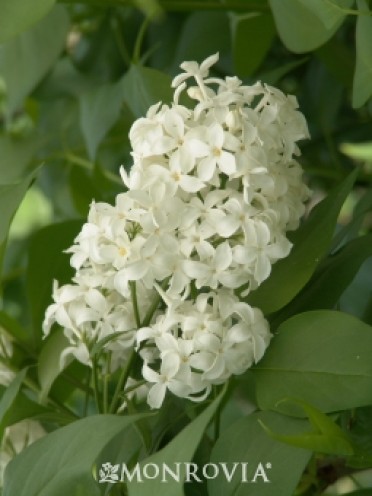
Assess the Plant Your 12-foot lilac with three old leaders and numerous basal suckers is a classic candidate for renewal pruning. The goal is to replace aged trunks with vigorous new shoots for a denser, more floriferous
Summer Care for Calla Lilies on Long Island: Outdoor Placement and Overwintering
Give Your Calla Lilies a Summer Vacation Once frost danger has passed (typically mid-May on Long Island), move your potted calla lilies outdoors. Start by placing them in shade for 7–10 days to acclimate, then transition
Copyright © www.100flowers.win Botanic Garden All Rights Reserved