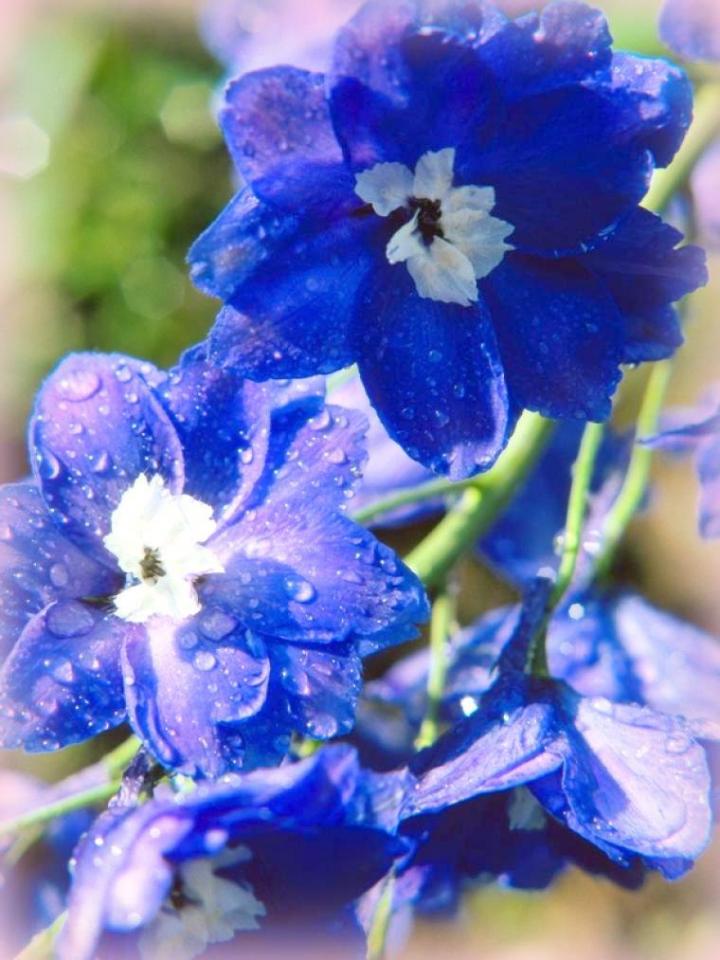
 Photo by Thinkstock
Imagine a garden that bursts with color from early spring right through the first autumn frost. That dream can become reality with this thoughtfully designed three-season flower bed, perfect for both novice and experienced gardeners.
This layout delivers three key benefits:
- Constant color: Spring brings burgundy, pink, and blue blooms and foliage, which transition to yellow, orange, blue, and deep ebony tones for summer and fall.
- Effortless impact: Once established, the bed requires minimal upkeep—no staking, dividing, or pruning for at least five years. Just fertilize, feed, and do occasional weeding.
- Easy adaptability: The plot can be shrunk or expanded to fit your space and schedule. These plants tolerate a wide range of climates, whether the first freeze arrives on September 10 or November 15. (Note: Most perennials here need winter chill, so this design isn't suited for subtropical regions like southern Florida or southern California.)
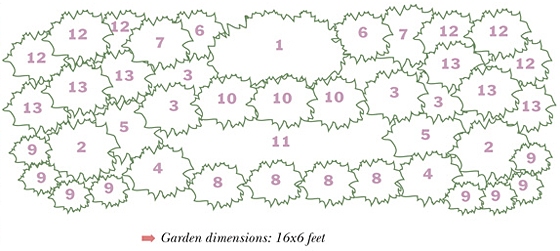
Three Seasons of Color
Spring Color
‘Black Lace’ elderberry
Rozanne cranesbill
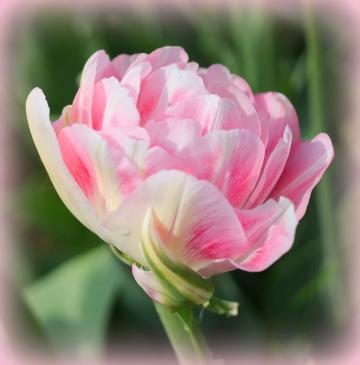
‘Foxtrot’ tulip
‘King of Hearts’ dicentra
‘Obsidian’ heuchera
Wine & Roses weigela
Summer Color
‘Connecticut Yankee’ delphinium
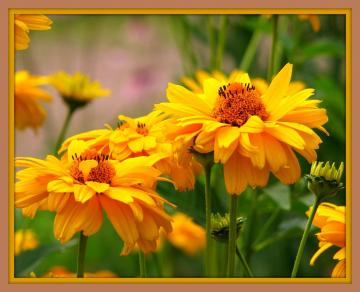
‘Goldsturm’ rudbeckia
‘Mardi Gras’ helenium
‘May Night’ salvia
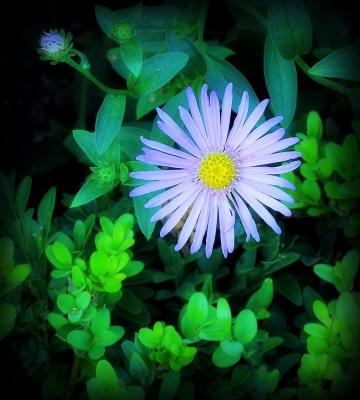
‘Mönch’ aster
‘Summer Sun’ heliopsis
(‘Black Lace’ elderberry, Rozanne cranesbill, ‘Obsidian’ heuchera, and Wine & Roses weigela continue blooming.)
 Fall Color
‘Arendsii’ monkshood
‘Mönch’ hardy aster
(‘Black Lace’ elderberry, Rozanne cranesbill, ‘Goldsturm’ rudbeckia, ‘Mardi Gras’ helenium, ‘May Night’ salvia, ‘Obsidian’ heuchera, ‘Summer Sun’ heliopsis, and Wine & Roses weigela still bloom.)
Garden Ground Rules
- The bed measures 16 feet long by 6 feet wide.
- At least six hours of daily sunlight is required.
- The 13 plant varieties are massed in groups for maximum color and instant curb appeal. The plan works as a border or an island bed.
- To enlarge, simply double or triple the plant quantities.
- If space or time is limited, reduce the bed to 8 feet, cut plant numbers accordingly, and omit the large ‘Black Lace’ elderberry shrub.
- For a lawn centerpiece, place the elderberry and taller perennials in the middle, surrounded by shorter plants, ending with Rozanne geranium and ‘Obsidian’ heuchera at the edge.
Best Three-Season Plants List
A three-season garden relies on three essential ingredients:
- Perennials that bloom profusely year after year
- Small shrubs with color-saturated foliage all season
- Plants that don't spread aggressively
All the following meet these criteria:
- Elderberry (Sambucus nigra ‘Black Lace’) – 1 plant
- Weigela (Weigela Wine & Roses) – 2 plants
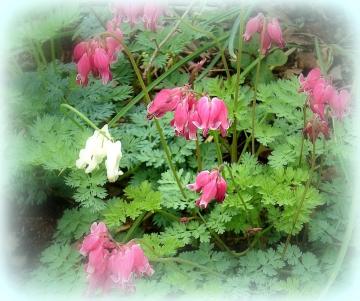
- Bleeding heart (Dicentra ‘King of Hearts’) – 4 plants
- Heuchera (Heuchera ‘Obsidian’) – 2 plants
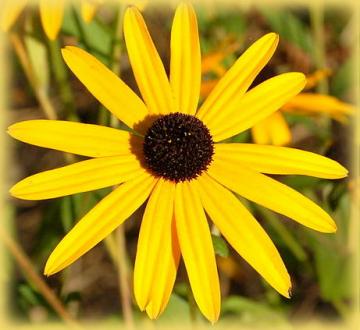
- Black-eyed Susan (Rudbeckia fulgida var. sullivantii ‘Goldsturm’) – 2 plants
- Ox eye (Heliopsis helianthoides var. scabra ‘Sommersonne’, aka ‘Summer Sun’) – 2 plants
- Sneezeweed (Helenium ‘Mardi Gras’) – 2 plants
- Salvia (Salvia x sylvestris ‘Mainacht’, aka ‘May Night’) – 4 plants
- Cranesbill (Geranium ‘Gerwat’, aka Rozanne) – 8 plants
- Aster (Aster x frikartii ‘Mönch’) – 3 plants
- Tulip (Tulipa ‘Foxtrot’) – 40 bulbs
- Monkshood (Aconitum carmichaelli ‘Arendsii’) – 6 plants
- Delphinium (Delphinium ‘Connecticut Yankee’ series) – 6 plants
Tips for Success Every Season
- Before digging, arrange potted plants on the bed to visualize the layout. Leave room between plants for growth.
- Plant from back to front. Set shrubs and perennials at the same depth as in their containers.
- For a lush look, plant tulip bulbs thickly (about 5 per square foot). After blooming, remove spent flowers so bulbs store energy for next season. Remove tulip leaves once they brown; nearby perennials will hide the fading foliage.
- Fertilize for thriving plants. In early spring, scrape away mulch and spread an inch of compost around each plant. In July, lightly work bonemeal or slow-release fertilizer into the soil above bulbs. (Bonemeal may attract rodents.)
- Spread 3 inches of mulch. Organic materials like shredded bark or leaf mold retain moisture, suppress weeds, and add nutrients as they decay. Cedar bark mulch repels insects and prevents fungal diseases.
- Deadhead fading flowers to boost perennial bloom production. Shrubs drop old flowers and rebloom if conditions allow.
- Leave brown perennial foliage until early spring when new growth appears; it insulates roots from winter temperature extremes.
- Prune shrubs after flowering, not in early spring.
Be patient once planted. Perennials reach full size and beauty by the second season; shrubs mature in 3 to 5 years.
Source:
The 2007 All-Seasons Garden Guide


