
Reviving Black Lace Elderberry After Cane Borer Damage
Black Lace elderberry (Sambucus nigra Eva) hit by cane borers can recover if the root system remains healthy. Immediate Actions Remove all infested canes at ground level. Dispose of prunings (burn or trash)—do not comp

Understanding Foxglove Life Cycle: Why Plants Decline After Blooming
Foxgloves (Digitalis) are typically biennials or short-lived perennials. Their apparent decline after flowering is often just their natural life cycle. Biennial Growth Pattern Year 1: Rosette of foliage only—energy sto
Why Your Peony Didn't Emerge: Climate Limits and Cultivar Choices
A peony tuber that fails to sprout after fall planting often indicates rot—or a climate mismatch. Peonies require a distinct winter chill (vernalization) to break dormancy and bloom. Climate Reality Check Peonies thriv
Mulching Hostas for Weed Control: Timing and Technique
Fall Mulching Over Dormant Hostas Apply 3–4 inches of mulch after hostas die back. This suppresses winter annual weeds. Spring Crown Exposure for Emergence After the last frost, pull mulch away from the crowns so new sh
Why Hydrangeas Didn't Bloom This Year: Long Island Garden Troubleshooting
When established hydrangeas suddenly produce only leaves, a spring cold snap is the most likely culprit—especially if neighbors report the same issue. Common Causes of Bloom Failure Late freeze: Kills flower buds on ol
Can You Grow Rhubarb Under Spruce Trees? Shade Challenges and Alternatives
Planting rhubarb beneath large Colorado spruces is tempting but problematic. Rhubarb demands 6–8 hours of direct sun daily; dense evergreen shade will yield weak, leggy, poor-quality stalks. Why It Fails Deep shade red
Growing Oakleaf Hydrangeas in Kansas: Zone 6b Success Strategies
Oakleaf hydrangea (Hydrangea quercifolia)—including cultivars Snow Queen and Ruby Slippers—thrives in Kansas with proper siting and care. As the only hydrangea native to the U.S., its surprisingly tough. Keys to Success
Why Your Calla Lily Won't Bloom: Solutions for Lush Foliage, No Flowers
A calla lily (Zantedeschia) with vigorous foliage but no flowers after 3–4 years is a common frustration. The culprits are usually cultural. Top Reasons for No Blooms Too much shade: Callas need 6+ hours of direct sun
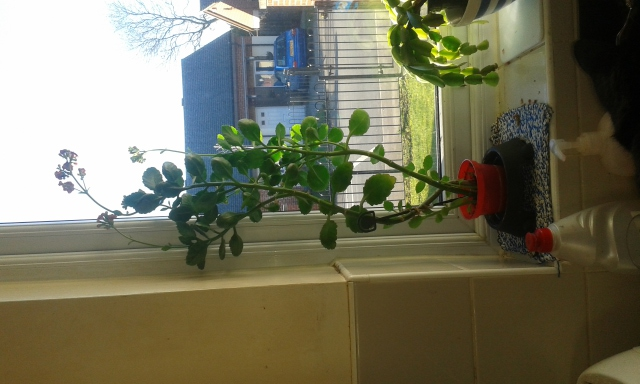
Identifying a Leggy Kalanchoe (Calandiva) Houseplant
Received a mystery plant with succulent leaves and clusters of small flowers? Its likely a kalanchoe—often sold as Calandiva—a popular flowering succulent. Key Identification Features Leaves: Thick, fleshy, scalloped e
Reviving a Mature Rosemary Bush After Pruning Issues in Zone 7b
A 5- to 6-year-old rosemary bush that fails to regrow after spring pruning can be alarming. In Zone 7b (North Carolina), rosemary is generally hardy, but several factors can cause dieback. Common Causes of Rosemary Dieb
Transplanting Ranunculus (Buttercups) from Containers: Timing and Techniques
If youve purchased ranunculus (often sold as buttercups) in 1-gallon containers, youre likely eager to get them into the garden. These cool-season bloomers thrive in temperatures between 10°F and 40°F, making early sprin
Transplanting Blooming Easter Lilies: What You Need to Know
Many gardeners wonder if they can move Easter lilies (Lilium longiflorum) from the garden into pots after theyve finished blooming. The short answer is yes—but timing and technique matter. Understanding the Lilys Growth
Growing Hardy Hibiscus in Michigan: A Zone 5 Success Story
One of the most rewarding perennials for Midwest gardeners is the hardy hibiscus (Hibiscus moscheutos), a plant that thrives in USDA zones 5 and above. If youre gardening in Michigan, this stunning shrub-like perennial c
Dividing Hostas in Full Leaf Successfully
Hostas can be divided anytime spring through fall if done carefully. Best in late summer (Aug–Sep), but full-leaf division works: Use a garden fork (not shovel) to lift entire clump intact. Divide with sharp spade or fo
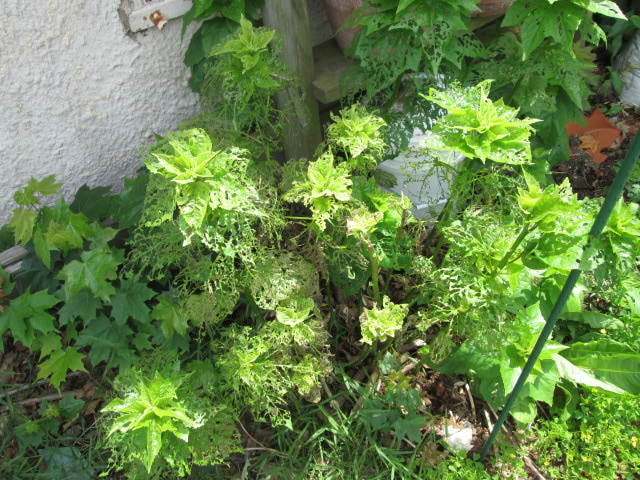
Controlling Hibiscus Sawfly Larvae on Perennial Hibiscus
Sawfly larvae skeletonize rose mallow leaves. Insecticidal soap can burn foliage if applied in heat, sun, or on dry plants. Safe use: apply early morning/evening, below 85°F, humidity under 90%, on well-watered plants. D
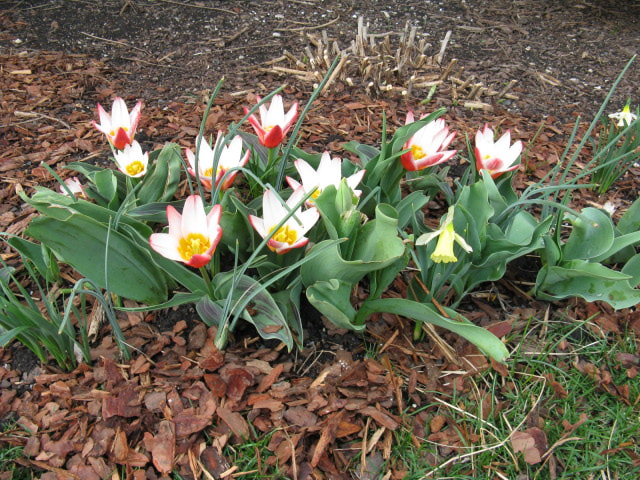
Why Bearded Iris Won't Bloom: Depth, Sun, and Fertilizer
Bearded iris often fail to bloom due to: Recent transplanting: They sulk for years after moving. Leave undisturbed. Insufficient sun: Need 6+ hours daily. Planted too deep: Rhizomes must be at or just below soil surface
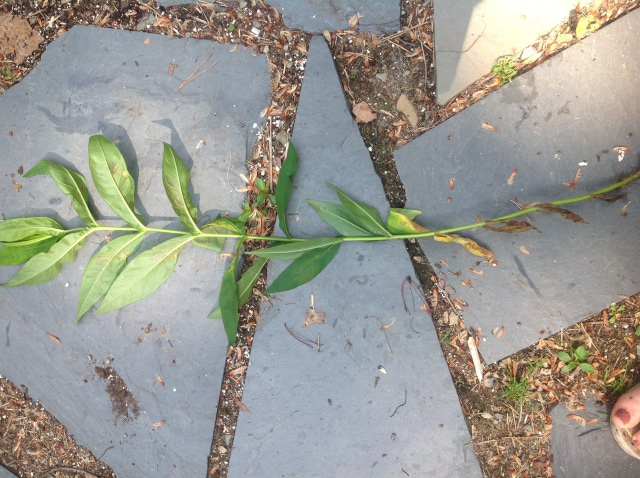
Diagnosing Phlox Decline: Aphids or Spider Mites
Phlox with brown lower leaves and yellowing upper leaves likely have aphids or spider mites. Both cause yellow/brown foliage. Aphids multiply rapidly; spider mites thrive in hot, dry weather and leave fine webs. Treatmen
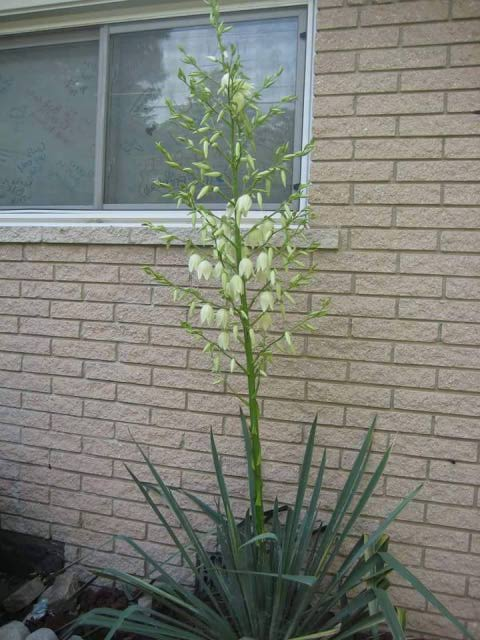
Identifying Hardy Yucca in Michigan
The plant is a hardy Yucca (likely Yucca filamentosa), a perennial evergreen with sword-like leaves and tall panicles of white flowers. Drought-tolerant, low-care, attracts pollinators. One of ~40 species; this type surv
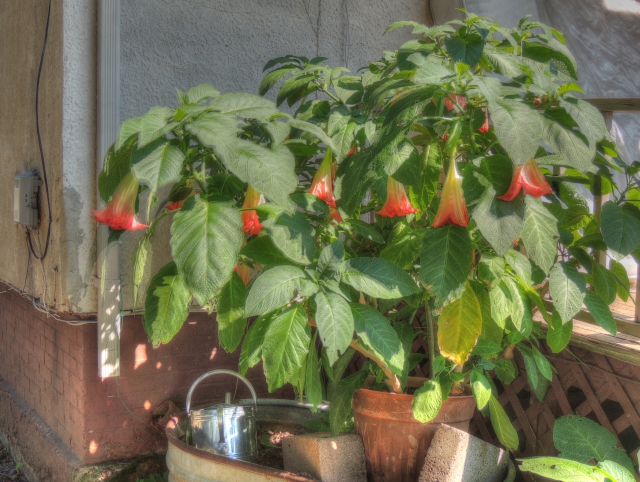
The expert expresses enthusiasm for a readers 10+ year old brugmansia (angels trumpet), sharing a photo of their own pink brugmansia. The expert lost a previous brugmansia by not bringing it in early enough (Zone 5a). A
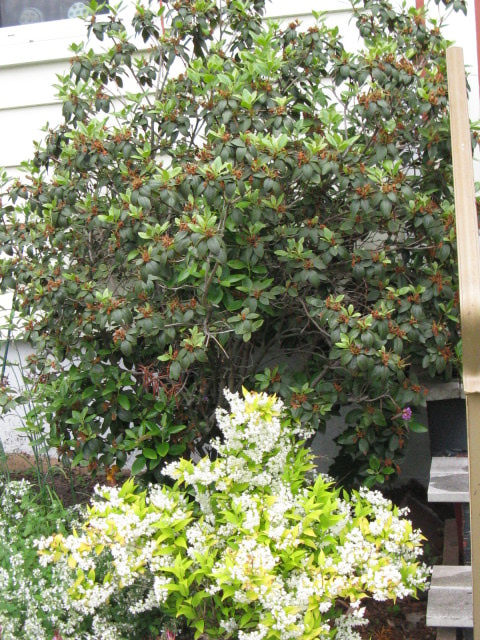
Ixora Not Hardy in North Texas; Try PJM Rhododendron Instead
Ixora (Zone 9a) wont survive North Texas winters (Zone 7b, lows 0–10°F). It also needs acidic soil and stays 3–4 feet tall—not a 5–6 foot hedge. Better choice: PJM Rhododendron (Zone 4–7). Fast-growing, evergreen, spring
Copyright © www.100flowers.win Botanic Garden All Rights Reserved