
Dipladenia (Mandevilla) Overwintering Indoors: Dormancy Care Protocol
Five dipladenias brought indoors before frost in Southern Ontario need semi-dormant care to survive until spring. Winter Protocol Light: East or south window (max available). Water: Weekly—just enough to prevent desicc

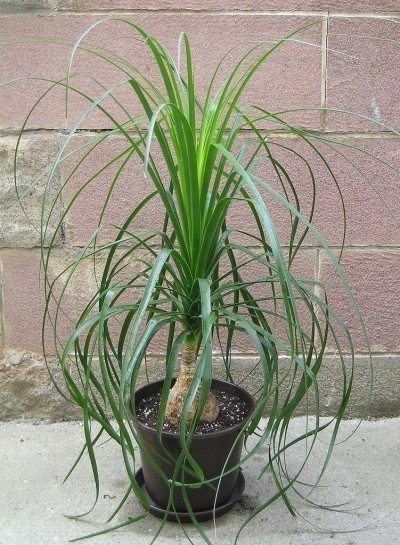
Yucca elephantipes Care: Watering, Humidity, and Tip Burn Solutions
Spineless yucca (Yucca elephantipes) with crispy top leaves typically suffers from low humidity or light/feeding imbalance. Watering Schedule Summer: Every 2–3 weeks. Winter: Every 4 weeks. Allow soil to dry deeply bet
Forsythia Propagation: Winter Hardwood Cuttings and Division Timing
Large forsythia in East Tennessee (zone 7) can be propagated now via hardwood cuttings; division is riskier in mid-winter. Hardwood Cuttings (Now) Take 6 cuttings at leaf nodes. Dip in rooting hormone. Plant in trench
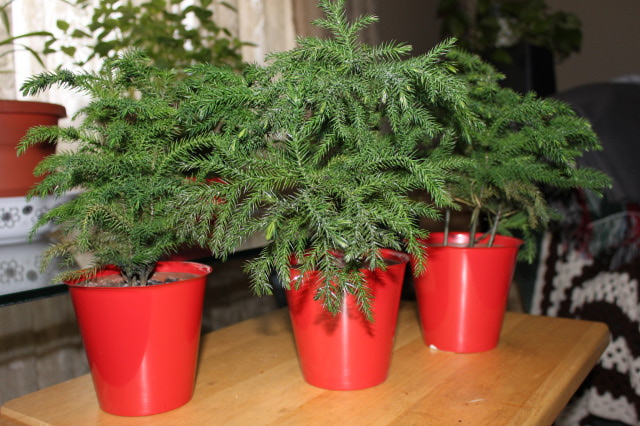
Norfolk Island Pine Identification and Indoor Care
The mystery Christmas gift plants are Norfolk Island pines (Araucaria heterophylla)—tropical conifers native to the South Pacific. Identification Symmetrical tiers of soft, needle-like leaves. Slow-growing indoors; 100
Front Yard Foundation Planting for Raleigh, NC: Sun-Loving, Colorful, Low-Maintenance
For a full-sun, 3–3.5 height foundation bed in Raleigh (zone 7b), choose long-blooming, neat perennials and shrubs. Top Picks for Continuous Color Knock Out Roses (bloom April–frost, disease resistant). Stella dOro Day
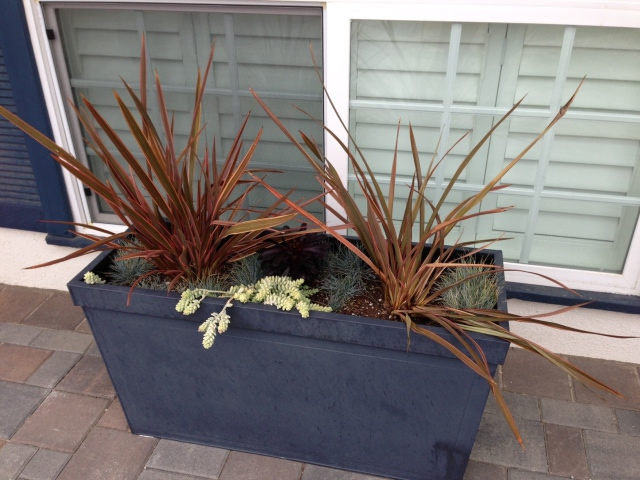
Phormium 'Flash Dance' Heat Stress in Southern California Containers
New Zealand flax (Phormium) prefers cool winters. Unseasonal 80°F days in January caused heat stress on a young plant in a south-facing planter. Diagnosis Smaller plant wilted; larger tolerated heat better. Full sun +
Forced Asiatic Lilies: Why They Skip Bloom Year Two and How to Restore Flowering
Potted, blooming Asiatic lilies are often forced in greenhouses—pre-chilled to bloom out of season. This depletes the bulb, causing a non-blooming recovery year. The Forcing Process Bulbs chilled artificially to simula
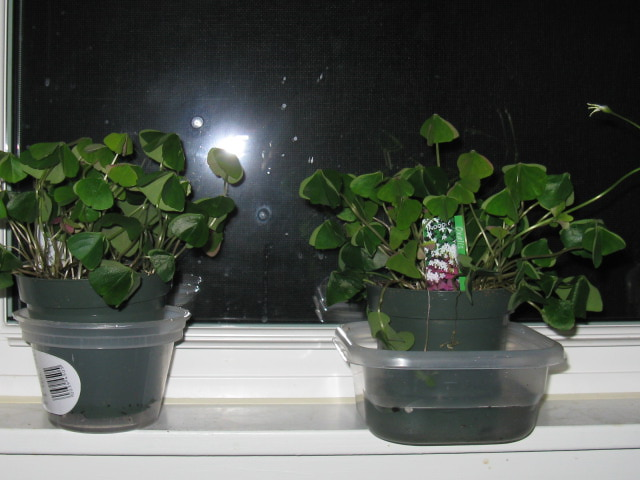
DIY Self-Watering System for Coleus Using Sub-Irrigation
For a 2-week absence, a simple sub-irrigation (bottom-watering) setup keeps coleus hydrated without overwatering. Method Place pot in shallow tray/container. Fill tray with water to 1–2 depth. Plant absorbs via capilla
Long Island Perennial Garden Design: Four-Season Interest for Sun and Shade
Creating a one-time investment perennial garden on Long Island (zone 7) requires strategic plant selection for continuous color and winter structure. Sun Garden Timeline Early Spring: Bulbs (crocus, daffodil, tulip, hy
Fragrant, Butterfly-Attracting Perennials for Indiana Clay Soil
South-facing, well-drained clay in Indiana can support a succession of fragrant, pollinator-friendly perennials. Seasonal Fragrance Palette Spring: Iris, lilac, mock orange, lily of the valley. Early Summer: Peonies, d
Overwintering Dinnerplate Dahlias in Zone 6: Tuber Storage Protocol
Dinnerplate dahlias (Dahlia hybrids) are Mexican natives that wont survive Massachusetts winters (zone 6) in ground. Lift and Store Method After frost kills foliage, cut stems to 6. Dig carefully—avoid damaging tuber n
Bracteantha (Strawflower) Life Cycle: Short-Lived Perennial Grown as Annual
Bracteantha (Xerochrysum bracteatum) is a short-lived perennial (2–3 years) native to Australia, but grown as an annual in most of the U.S. Hardiness Reality Zones 8–9 only (Gulf Coast south). Tolerates light frost, no
Italian Heather Toxicity to Pets: Cats and Dogs Safety
Erica ventricosa (Italian heather) shows no evidence of toxicity to cats or dogs. Related Calluna vulgaris (Scotch heather) is listed as toxic, but they are distinct genera. Verification ASPCA Poison Control Plant Data
Canna Lily and Celosia: Outdoor Culture and Perennial Options
Mothers Day gift plants: canna lily is a tropical perennial for outdoors; celosia is an annual with no perennial equivalent. Canna Lily (Canna spp.) Not a houseplant—needs full sun, heat, humidity. 60°F). 3–8 tall; hea
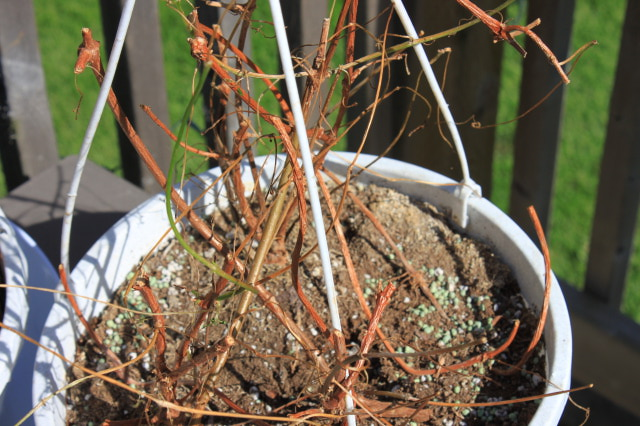
Dipladenia Winter Care and Easter Lily Bulbil Identification
Dipladenia (mandevilla) and Easter lily seasonal behaviors explained for Canadian gardeners. Dipladenia Overwintering Semi-dormant indoors: leaf drop is normal. Bright east/south window. Water weekly (moist, not wet).
Italian Heather (Erica ventricosa) Hardiness: Container Culture for Pacific Northwest
Italian heather (Erica ventricosa) is a South African native hardy only to zones 10–11. Olympia, WA (zone 8a) is too cold for in-ground survival. Container Solution Grow in pot with acidic, well-draining mix (peat/perl
Post-Hurricane Hydrangea Recovery: Pruning Shock and Regrowth
A 17-year-old Blue Lace hydrangea drooping after severe post-Sandy pruning is likely experiencing soft growth syndrome. Why Its Drooping Removal of woody framework leaves only tender green shoots. New growth lacks lign
Crape Myrtles for South-Facing Walls in South-Central Kansas
Crape myrtles (Lagerstroemia) love heat and sun—making them ideal for reflected southern exposures in Kansas. Why Theyll Thrive Heat tolerant (unlike weigelas that scorched). Bloom on new wood—no bud loss from winter d
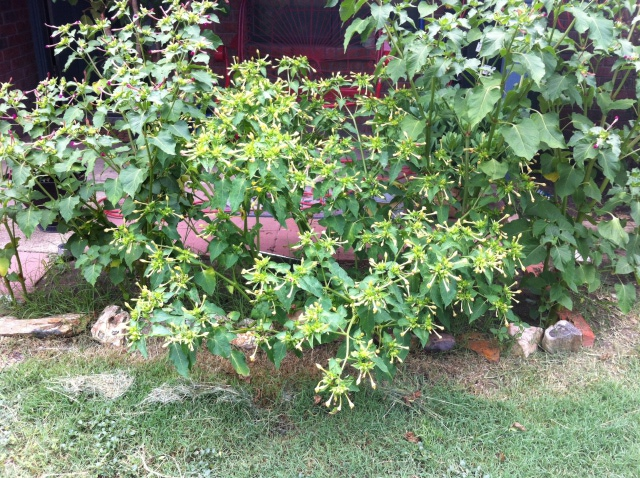
Managing Giant Four O'Clocks: Support, Division, and Seed Saving
A massive Mirabilis jalapa (four oclock) with flopping stems signals abundant growth—not necessarily a problem. Immediate Actions Stake or cage now—dont dig/divide in active growth. Water deeply weekly if dry. Some see
Tiger Lily Post-Bloom Care: Bulbil Harvest and Multiplication
Tiger lilies (Lilium lancifolium) finish blooming in early summer. The black seeds in leaf axils are bulbils—clonal offsets for easy propagation. Bulbil Harvest and Growing Collect bulbils when they detach easily (late
Copyright © www.100flowers.win Botanic Garden All Rights Reserved