Asiatic Lily Bloom Failure: Frost Pockets, Disease, or Pest?
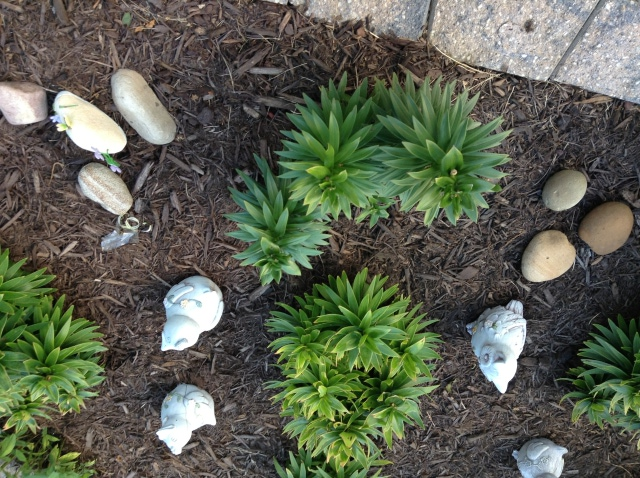
Healthy Asiatic lilies that produce buds but no flowers in Pittsburgh may have suffered a localized frost event or bud blight. Possible Causes Radiation frost: Cold air settles in low spots, killing buds while nearby p


Reviving Declining Russian Sage: Division and Drainage Fixes
Russian sage (Perovskia atriplicifolia) dying out after 2–3 years often signals root rot or center dieback. Primary Causes Poor drainage: This plant demands sharp drainage; wet crowns rot. Center dieback: Woody center
Diagnosing St. John's Wort Decline: Rust, Nematodes, or Drainage Issues
Creeping St. Johns wort (Hypericum calycinum) turning brown with discolored foliage in central Virginia suggests several possible causes. Potential Culprits Rust fungus: Orange-brown pustules; remove affected plants, a
Growing Honeysuckle (Lonicera) from Seed and Pruning Mature Vines
Propagating Lonicera periclymenum Belgica and L. × tellmanniana from seed requires cold stratification; pruning maintains vigor. Seed Germination Protocol Clean pulp from seeds; air-dry briefly. Stratify: damp paper to
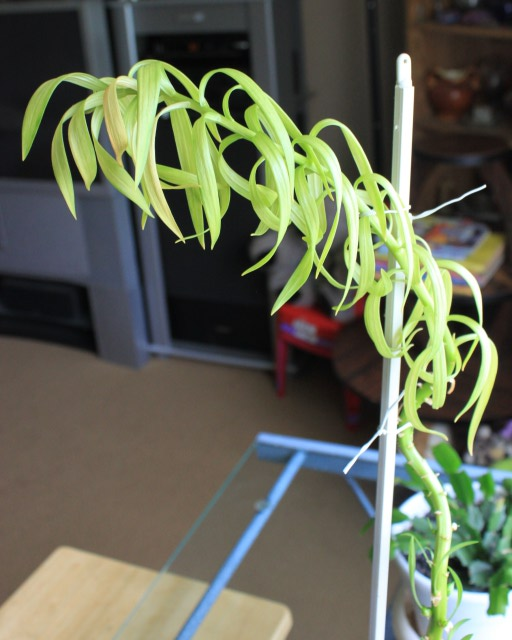
Easter Lily and Begonia Seasonal Care: Bulbil Management and Winter Blooming
Managing post-bloom Easter lilies and overwintering begonias requires understanding their distinct growth cycles. Easter Lily (Lilium longiflorum) Do not cut back until stems yellow naturally. Green foliage feeds the b
Eradicating Invasive Obedient Plant Without Harming Neighbors
Obedient plant (Physostegia virginiana) spreads aggressively via rhizomes. Removing it from a mixed bed with coneflowers, hibiscus, lilies, and clematis requires precision. Three Approaches (Labor-Intensive but Effectiv
Buying and Planting Crape Myrtle on Long Island: Foundation Safety and Salt Tolerance
Crape myrtle (Lagerstroemia) thrives on Long Island (zone 7) and is a great replacement for salt-damaged arborvitae. Purchasing Tips Visit local nurseries (best selection, acclimated stock). Check Home Depot/Lowes for
Growing Calla Lilies from Seed and Overwintering Corms in Pennsylvania
Calla lilies (Zantedeschia) are not hardy in Pennsylvania (zones 5–6). To save them, you must lift corms or grow from seed. Overwintering Corms (Recommended) After first frost kills foliage, dig corms. Shake off soil—d
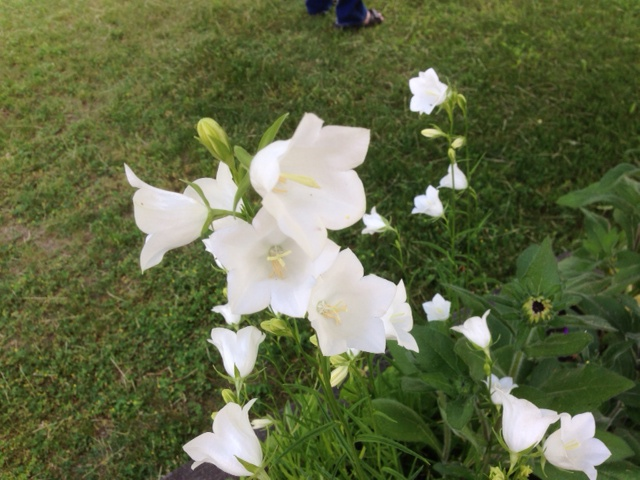
Identifying Balloon Flower (Platycodon) in a Public Garden
The mystery perennial with inflated buds opening to star-shaped flowers in pink, white, or purple is balloon flower (Platycodon grandiflorus). Key Features Balloon-like buds before opening. 5-petaled star flowers, 2–3
Reviving Cold-Damaged Pothos: Winter Recovery for Tropical Houseplants
Pothos (Epipremnum aureum) exposed to freezing garage temperatures in Iowa will show severe dieback—but can recover if roots survive. Recovery Steps Trim all dead growth back to healthy tissue (green stems, firm roots)
Water-Wise Perennial Alternatives for Agapanthus Borders in Southern California
Mini roses and agapanthus have mismatched water needs. For a 25-foot walkway border in Zone 10, choose perennials that match agapanthuss drought tolerance. Recommended Replacements Lantana (sterile cultivars like New G
Drought-Tolerant Companions for Agapanthus in Southern California Borders
Pairing mini roses with agapanthus creates a watering conflict. Replace roses with perennials that share agapanthuss drought tolerance and long bloom season. Top Companion Picks (Zone 10, Full Sun) Catmints (Nepeta): W
Pruning Lilacs for Maximum Bloom: Timing and Technique for New York Gardens
Lilacs (Syringa) that flower sparsely often suffer from incorrect pruning timing. The rule is simple: prune immediately after flowering. Why Timing Matters Lilacs set next years flower buds shortly after current blooms
Bee-Free Groundcovers for a California Central Valley Slope
Covering a 15×100 slope in Californias Central Valley with low-water, non-invasive, bee-unattractive plants requires strategic selection. Why Bee-Free Is Tricky Most flowering groundcovers attract pollinators. Focus on:
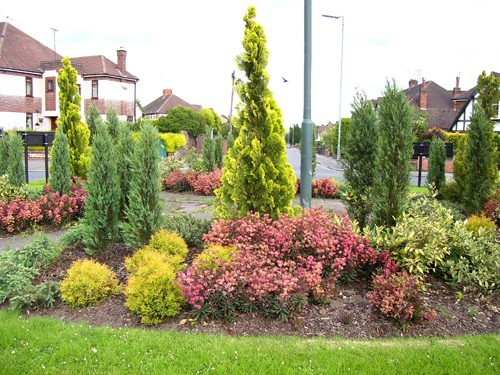
Designing a UK Roundabout Planting: Conifers, Euphorbias, and Low-Maintenance Perennials
Creating a traffic island or roundabout planting in the UK requires tough, evergreen structure with seasonal color—all low maintenance. Plant Identification from Photo The image suggests: Conifers: Dwarf/mounding variet
Sun-Loving, Winter-Interest Plants for Gold Country, California
A 6×2 full-sun bed in Californias Gold Country (foothills, Mediterranean climate) needs drought-tolerant plants with year-round appeal. Top Perennial Picks Salvias (many natives: S. clevelandii, S. leucophylla) Lavende
Overwintering Bracteantha (Strawflower) in New Jersey: Container Strategy
Bracteantha (Xerochrysum bracteatum), native to Australia, is hardy only in zones 8–11. In northern New Jersey (zone 6–7), it must be treated as an annual or overwintered in containers. Container Overwintering Method B
Pachysandra Recovery After Accidental Shearing
If pachysandra (Pachysandra terminalis) was cut back to bare stems during liriope trimming, dont panic—this tough groundcover usually regenerates from its rhizomatous root system. Recovery Protocol Wait 2–3 weeks. New
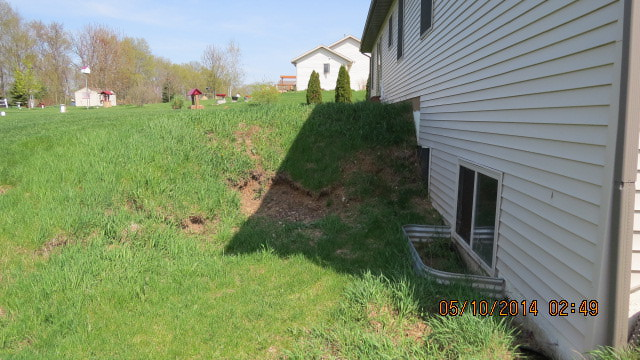
Low-Maintenance Perennial Slope Planting: Design and Plant List
For a sunny slope awaiting future terracing, a matrix of tough, transplantable perennials provides immediate erosion control and beauty. Recommended Plant Palette (Sun, Well-Drained) Tall/Back: Hollyhocks, Russian sage,
Lichen on Rose of Sharon: Symptom, Not Cause of Decline
Lichens on your container-grown Diana rose of Sharon (Hibiscus syriacus) are harmless epiphytes—not the cause of stunted leaves and poor flowering. What Lichens Indicate Clean air and adequate moisture. Slow-growing ba
Copyright © www.100flowers.win Botanic Garden All Rights Reserved