

Clematis vs. Furnace Exhaust: Prune or Move in Michigan Winter
In Michigan (Zone 5b), mid-winter is not the time to prune or move clematis. Wait for the correct window. Best Options Early Spring (March–April): Prune to 12–18 inches, redirect growth away from exhaust. Clematis bloo

Acanthus spinosus Not Blooming in Essex, UK: Light Issue
Acanthus spinosus (bears breeches) in Essex (Zone 8b UK) with only morning partial shade is likely light-starved. Partial shade on labels often means full sun in cool climates, afternoon shade in hot ones. In the UKs mil
Coreopsis Indoors? Not Recommended for Zone 5
Coreopsis (tickseed) is a full-sun, heat-loving perennial that fails as a houseplant in Zone 5 winters. Why It Declined Insufficient light: Needs 6–8 hours direct sun. Windows provide <20% of outdoor intensity. Wrong t
Moving Azaleas & Pussy Willow in Pennsylvania Winter
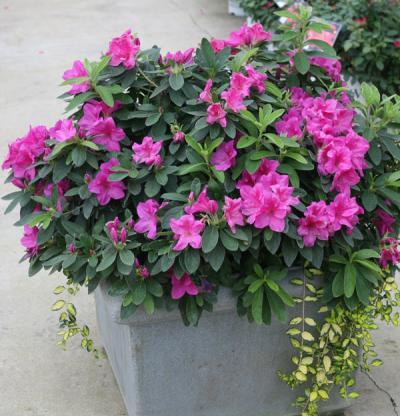
Moving established azaleas and a pussy willow in PA (Zone 6a) during winter is possible if the ground isnt frozen, but risky. Heres how to maximize survival: Conditions Required Soil workable (not frozen, not soggy). P
Hard Pruning Autumn Sage & Cape Honeysuckle in Las Vegas
Cutting autumn sage (Salvia greggii) and cape honeysuckle (Tecoma capensis) to 2 inches in Las Vegas (Zone 9a) was correct and beneficial. Why It Works Both are woody sub-shrubs that bloom on new wood. Hard pruning rem
Moving Daylilies & Hostas in Virginia Beach: Emergency Transplant
Moving in a month (late winter/early spring) in Virginia Beach (Zone 8a) means youre in the ideal window for transplanting daylilies and hostas. If Already Dug (No Green Growth) Store in brown paper bags (not plastic)
Repotting Calla Lilies in Southern Spain (Zone 11)
In Málaga (Zone 11), calla lilies (Zantedeschia) are evergreen perennials that rarely go dormant. Your droopy, transplanted divisions are in transplant shock—roots need time to regenerate. Identify Your Type White flor
Transplanting Wild Daffodils ("Buttercups") in Tennessee
Youre describing naturalized daffodils (often called buttercups in the South). In Tennessee (Zone 6b-7a), the ideal transplant time was last fall. Since thats passed, heres Plan B: Spring Transplant (Now–Early April) W
What to Do with Forced Bulbs After Bloom
Forced bulbs (hyacinths, tulips, daffodils, muscari) have expended their stored energy blooming out of season. Most are spent and unlikely to rebloom well, but you can try to rehabilitate them: Rehab Attempt Cut off sp
Sagging Evergreen Shrub Branches: Causes & Fixes
Sagging branches on mature evergreen shrubs after snow load in NJ (Zone 6b) usually stem from two correctable issues: 1. Snow/Ice Weight (Temporary) Branches bent by snow often rebound naturally as temperatures rise. G
Planting Sprouted Bulbs in Frozen Ground: Spring Solutions
If your hyacinths, tulips, daffodils, and muscari have sprouted but the ground is frozen solid with snow cover, you have three viable options: Option 1: Plant in Pots (Best Control) Pot each bulb in 6–8 inch containers
Anemone Toxicity to Cats & Garden Cat-Proofing
All parts of anemone (Anemone spp.) contain protoanemonin, a toxic irritant. Ingestion causes oral blisters, vomiting, hemorrhagic gastroenteritis, and potentially shock, convulsions, or death in cats. Any amount ingeste
Spring Care for Creeping Phlox: To Trim or Not?
Wait Before Cutting Creeping phlox (Phlox subulata) greening at base in early spring: Old foliage may look dark but still alive. Premature pruning risks removing flower buds. Correct Timing Prune AFTER flowering (late
Best Time to Divide Daylilies in Northern Virginia (Zone 6–7)
Spring or Fall Both Work In early March (Zone 6–7), daylilies can be divided now or in fall. Current Conditions Soil workable, not frozen. Plants emerging—easy to see divisions. Cool temperatures reduce transplant stre
Ground Cover Roses vs. Shade Alternatives for Long Island
Roses Need More Sun No rose thrives on 4 hours sun. Minimum 6 hours required—even shade-tolerant types. Better Shade Ground Covers (Zone 7) Plumbago (Ceratostigma plumbaginoides) – Azure flowers, blue foliage, deer res
Growing Florist-Size Carnations from Seed
Dianthus caryophyllus: The True Carnation Large, fragrant, long-stemmed carnations are grown from seed, not typically sold as plants. Seed Starting Start now indoors for blooms this year. Surface-sow on moist mix; ligh
When to Prune Hydrangeas: Winter vs. Summer Timing
Critical Pruning Window For Hydrangea macrophylla (bigleaf): Prune AFTER flowering (mid-July to August). NEVER prune in winter or early spring—removes next years buds. Current Situation If unpruned all winter, leave a
Managing Earwigs and Identifying Large White Calla Lilies
Earwig Control: Theyre Beneficial But Nuisance Earwigs eat aphids but also chew flowers. Control without toxins: Barrier: Petroleum jelly or sticky tape around stems. Traps: Rolled newspaper or oil-filled cans at night.
Restoring Blooms to Non-Flowering Hydrangeas
Pruning Timing Is Critical Hydrangea macrophylla blooms on old wood. Fall or spring pruning removes flower buds. Stop pruning after July. Other Bloom Barriers Insufficient sun: Need 4–6 hours (morning ideal). Deep shad
Finding Perennials for Oakville, Ontario (Zone 5b–6a)
Local Expert Resources For English-style gardens with wildflowers, dahlias, roses, lavender, and climbers in Oakville: Best Information Sources Ontario Master Gardeners: mastergardenersofontario.com – Hotlines, clinics
Copyright © www.100flowers.win Botanic Garden All Rights Reserved