
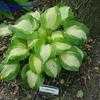


In zone 5 Missouri, its fine to remove last years dead hosta foliage now (early spring) before new shoots emerge. The old leaves pull away easily or can be snipped at the base. Why Clean Up Now Eliminates hiding spots f

Growing Burning Bush from Seed
You have a packet of 25 burning bush (Euonymus alatus) seeds. Plant them all—germination rates vary, and youll want multiple plants for a good hedge or to share. Seed Starting Steps Stratify: Mix seeds with moist sand/p
Rejuvenating Overgrown Yews (Taxus)
Your 30-year-old yews (Taxus) are 10 and 5 feet tall—leggy and overgrown. Yews are one of the few conifers that tolerate severe renovation pruning. Renovation Plan Timing: Late winter/early spring (March) before new gro
Transplanting Peonies in Spring: What to Expect
Moving peonies in April in Idaho (zone 5-6) with shoots already emerging is risky but doable if you must. They likely wont bloom this year. How to Minimize Shock Dig Deep and Wide: Preserve as much root system as possib
White Powder on Shrub: Powdery Mildew Identification and Treatment
The white, brush-off powder on your shrub in Israels arid/semi-tropical climate is almost certainly powdery mildew, a fungal disease that thrives in dry, warm conditions with high humidity around leaves. Why Its a Proble
Dividing Canna Rhizomes: Step-by-Step Guide
Dividing cannas is straightforward once you know what to look for. Do it in spring after danger of frost, when soil is workable. How to Divide Dig Up Clumps: Lift the entire rhizome mass with a fork; shake off excess so
When to Prune Lavender in Seattle
In Seattles mild climate (zone 8b), lavender pruning timing is crucial for flowers and plant health. Best Time: Late Fall After First Frost Prune in November or December, cutting back to about 3 inches above the woody ba
Yucca Plant Care: Spring and Fall Maintenance
Yuccas are low-maintenance, drought-tolerant architectural plants. Heres the simple seasonal routine. Spring Remove dead, brown leaves by cutting at the base with sharp pruners. Wear thick gloves—leaf tips are sharp. Cl
Yucca and Holly Problems in Upstate New York
Your mature yucca suddenly lost all but a couple of leaves, and your 10-year-old hollies remain sparse despite fertilizing. Two different issues, both solvable. Yucca Leaf Collapse Sudden total leaf loss in spring sugges
Eliminating Grass in a Creeping Juniper Border
Grass (likely wiregrass or Bermuda) invading a creeping juniper bed despite weed barrier is a common headache. The grass roots penetrate barriers and intertwine with juniper roots, making removal tricky. Effective Strate
Peony Troubles: Transplanting, Pots, and Sun Requirements
You bought a peony, planted it in a shady spot, then moved it to a 12-inch pot. Peonies hate being moved and generally dont thrive long-term in containers. Heres how to give it the best chance. Immediate Steps Plant in
Planted Too Deep? How to Rescue Bare-Root Perennials
You planted bare-root perennials (phlox, geraniums, astilbe, peonies, iris) 3-5 inches deep in April in southern Indiana. Most should be planted with crowns at or just below soil surface. The good news: cool, wet spring
Why Forsythia Blooms Only on Lower Branches
Forsythia flower buds form on the previous summers growth. If your shrubs bloom only near the ground, the upper branches likely didnt develop flower buds—often due to winter kill, insufficient sunlight, or improper pruni
Finding the Right Shrub for a Retaining Wall in Philadelphia
You need a compact, rounded perennial or shrub about 18 inches tall and wide for a sunny, well-drained spot atop a 2-foot retaining wall with only 1 foot of soil. Since the site has good drainage but limited soil depth,
Watering Caladiums and Controlling Clover
Caladiums need consistent moisture but hate soggy soil. Water when the top inch of soil feels dry to the touch—usually every 1-2 days in hot weather, less in cool periods. Ensure pots have drainage holes and never let th
Choosing Native Groundcovers for a Steep, Shady Maryland Hillside
Converting a large, steep slope from grass to a native groundcover is a smart move for erosion control and lower maintenance. In zone 7 near Washington, D.C., you have a mix of sun and deep shade from a neighbors maple.
Why Your Burning Bush Looks Like It Was Pruned
Have you noticed clean, angled cuts on the tips of your burning bush branches, as if someone took pruning shears to them? If you didnt do it yourself, you might suspect a nocturnal gardener, but the culprit is likely nat
Cold-Hardy Flowering Vines for Dappled Shade in Eastern Washington (USDA Zone 5)
Shade-Tolerant Climbers for Zone 5 Your Sunset zone 2 = USDA zone 5. Excellent choices: Clematis paniculata (Sweet Autumn Clematis): Fragrant white flowers late summer; blooms on new wood; vigorous to 20 ft; self-seeds.
Overwintering Elephant Ear (Colocasia) Bulbs in Nebraska: Dig, Cure, Store, Replant
Elephant Ear Mammoth Winter Care (Nebraska) After frost kills top, cut foliage to 6 inches. Dig corms; clean soil (dont wash). Air-dry 3–5 days in shade. Store in peat/vermiculite at 45–55°F, dark, dry. Replant spring a
Three-Year-Old Hydrangeas Not Blooming: Pruning Timing, Sun, and Soil Fixes
Hydrangea Bloom Failure in Zone 5 Pruning: Only in fall after bloom. Spring pruning removes flower buds. Sun: Morning sun, afternoon shade if summers are hot. Soil: Moist, well-drained, acidic (Miracid). Fertilizer: Low
Copyright © www.100flowers.win Botanic Garden All Rights Reserved