



Growing Calla Lilies in Alaska: Container Culture for Year-Round Enjoyment
Calla Lily Care in Alaska (Zone 3–4) Callas cannot survive Alaskan winters in ground. Grow as a houseplant/patio plant: Pot: 10–12 inch with drainage; rich potting mix. Summer: Full sun (cool climate); keep moist, not s

Overwintering Calla Lilies: Digging, Curing, Storing, and Spring Replanting Guide
Calla Lily (Zantedeschia) Winter Storage After frost kills foliage: Dig rhizomes carefully with a fork; shake off soil. Cut stems to 2–3 inches. Wash gently; air-dry 1–3 days in shade. Store in paper bags with slightly
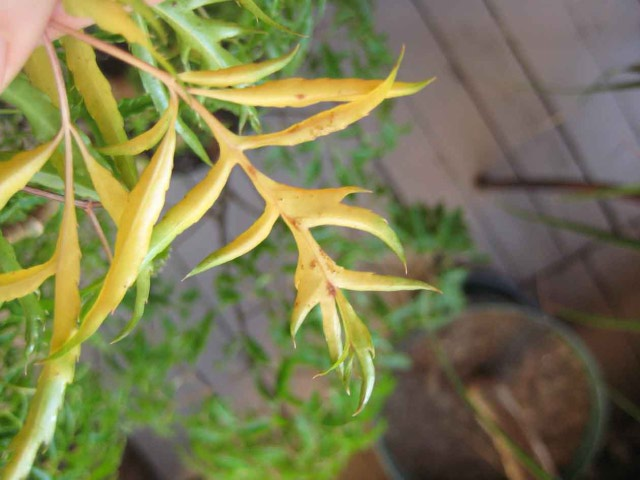
Troubleshooting Browning Elephant Ear Plants: Water, Sun, and Soil Needs
Elephant Ear (Colocasia) Decline Elephant eye likely means elephant ear. Browning leaves indicate cultural stress: Water: Need consistently moist (not soggy) soil. Never let dry out. Sun: Full sun best; tolerates light
Growing Tropical Hibiscus in Utah: Container Culture and Winter Protection
Tropical Hibiscus Care in Cold Climates Your baby plants with 1–2 main stems are almost certainly tropical hibiscus (H. rosa-sinensis), not hardy perennials. Container Culture Use large pots (12–14 inch) with well-drain
Diagnosing Juniper Twig Blight on Blue Star Junipers: Symptoms and Treatment
Blue Star Juniper (Juniperus squamata Blue Star) Decline One plant half-brown after winter, the other now showing interior browning, suggests juniper twig blight (caused by Phomopsis or Kabatina fungi). Management Prune
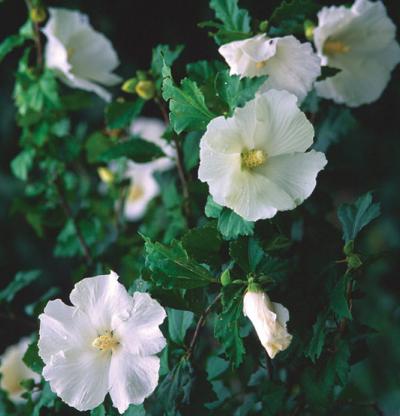
Hibiscus Flowers Closing at Night: Normal Behavior and Ant Management
Hibiscus Nyctinasty and Ants Hibiscus flowers naturally close at dusk (nyctinasty)—this is normal. Ants on the plant are farming aphids or seeking nectar; they dont harm the hibiscus directly. Ant Control Apply a sticky
Managing Botrytis Blight on Peonies: Sanitation and Fall Cleanup
Peony Botrytis: Aggressive Sanitation Required When all peonies show large brown-black spots, Botrytis blight is rampant. Immediate Steps Remove and destroy all infected leaves and stems now. In fall, cut all stems to g
Joe Pye Weed Slow Spring Growth: Patience After a Harsh Winter
Joe Pye Weed (Eutrochium) Emergence Delay After a prolonged cold, wet winter, many perennials emerge late. Your 8-inch plants are healthy—just slow. As temperatures stabilize, they will bolt rapidly, reaching 5–7 feet by
English Boxwood Decline: Identifying the Disease and Choosing Resistant Replacements
English Boxwood Decline in Central NJ Your symptoms—half of adjacent plants dead, other halves healthy, spreading slowly—are classic English boxwood decline, a complex disease with no cure. Action Remove and destroy aff
Why Yellow Azalea Buds Drop Before Opening: Nursery Stress and Recovery Care
Bud Drop on Yellow Azalea When only the yellow azalea fails to bloom (buds turn black and fall), the cause is likely pre-purchase stress at the nursery: irregular watering, cold exposure, or nutrient imbalance. Recovery
Hydrangea in Citrus County, FL: Small Blooms, Sparse Foliage Possible causes for your 4-year-old hydrangeas decline: Nematodes: Microscopic root pests common in Florida; cause stunting. Confirm via soil test at Citrus C
Persistent Spider Mites on Burning Bush: Ongoing Treatment and Neighborhood Management
Spider Mite Control on Burning Bush (Euonymus alatus) Recurring infestations with leaf drop indicate incomplete eradication or reinfestation from nearby plants. Treatment Horticultural soap spray – apply thoroughly (esp
Why Stargazer Lilies Lose Their Fragrance: Plant Health and Environmental Factors
Fragrance Loss in Stargazer Lilies Stargazers are renowned for intense fragrance. If yours lack scent, consider: Plant health: Only vigorous, stress-free plants produce full fragrance. Air pollution: Chemical fumes (ozo
Replacing Bleach-Damaged Garden Phlox: Mail-Order Sources and Propagation Options
Phlox paniculata After Bleach Spill Bleach kills plant tissue on contact. The two dead plants wont recover. The others should be fine if roots were unaffected. Finding Replacements Garden phlox is high-maintenance and of
Planting Hardy Cyclamen Tubers: Timing, Soil Moisture, and Identifying Emergence
Hardy Cyclamen (Cyclamen hederifolium) Establishment Planted in May (zone 6), your tubers should emerge soon. Key points: Stop watering – they prefer dry soil, especially in summer dormancy. Emergence: Brownish, hairy s
Why Is My Creeping Thyme Growing So Tall? Understanding Mother-of-Thyme Habits
Mother-of-Thyme (Thymus serpyllum) Height Variation Creeping thyme typically stays 3–6 inches tall, but can reach 10+ inches under ideal conditions: High nitrogen (rich soil, fertilizer) Consistent moisture Full sun Exc
Perennials for Extreme Conditions: Spring Flooding and Summer Drought on the Red River
Plants for Flood-and-Drought Cycles (Zone 3) Your 4-acre Red River site (Fargo/Moorhead) needs plants that tolerate weeks of spring inundation followed by 85–100°F dry summers. Trial and error is key, but these perennial
Accidental Weed and Feed Damage to Flower Beds: Why It Happens and What to Expect
Weed-and-Feed Kills Flowers Ortho Weed & Feed contains a broadleaf herbicide (usually 2,4-D) that kills any broadleaf plant—including your flowers and shrubs. It is designed only for lawns. Damage Assessment Plants show
Why Celosia Keeps Coming Back: The Magic of Self-Seeding Annuals
Celosia: Annual That Acts Perennial Celosia (cockscomb) is a true annual, but it self-seeds prolifically. In Baltimores climate, seeds dropped in fall germinate the following spring, creating the illusion of a perennial
Saving a Newly Planted Snowball Bush After Animal Damage to Roots
Rabbit Damage on Snowball Viburnum Exposed roots from rabbit digging are serious but fixable if acted on quickly. Immediate Steps Gently replace the displaced soil around the roots, firming it with your hands. Water dee
Copyright © www.100flowers.win Botanic Garden All Rights Reserved