


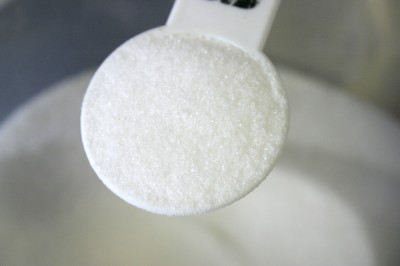
Sugar (a carbon source with zero nitrogen) stimulates soil microbes to immobilize soil nitrogen, temporarily creating a low-nitrogen environment that favors deep-rooted perennials (like grass) over shallow-rooted annual weeds. It’s a subtle, soil-building approach—not a contact herbicide.
Microbes consume sugar → need nitrogen → scavenge soil N → weeds starve → grass (with deeper roots) accesses remaining N and outcompetes. Over time, soil organic matter increases.
Sugar weed control is experimental but promising—a carbon-based strategy that feeds soil life instead of poisoning it.
Killing Invasive Vines with Herbicide
Using Sugar for Weed Control: Myth or Method?
Sugar for Weed Control: A Persistent Myth
Weeds and Yellowing in a Queens, NY Lawn: Soil Test First, Chemicals Last
Crabgrass-Dominated Connecticut Lawn: Fall Renovation Plan
Weed Management in a New Pennsylvania Lawn: Mowing, Organic Fertilization, and Pre-Emergent Strategy
Quackgrass: Identification and Organic Management
Sugar Applications and Winter Rye: Timing and Compatibility
Using Sugar on Your Lawn: Feed the Microbes, Not the Grass
Dollar Weed Control with Sugar: Organic Program Requirements
Why Sugar Beats Chicken Manure for Weed Control in Bermuda Grass
Total Lawn Renovation in Arizona: From Weeds to Grass
Embracing Clover or Controlling It Naturally: An Organic Lawn Care Approach
Copyright © www.100flowers.win Botanic Garden All Rights Reserved