


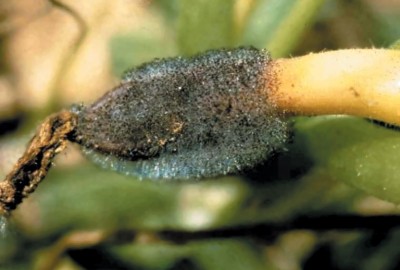
Choanephora wet rot, caused by Choanephora cucurbitarum, is a fast-moving floral/fruit disease of squash, cucumbers, pumpkins, and melons. It begins in flowers (powdery white residue), then rots the blossom end of developing fruit with white-to-purplish fungal growth. In humid regions, it can destroy 90% of a crop. Fungicides are impractical (new flowers open daily); prevention is the only viable strategy.
Do not plant cucurbits in the same bed consecutive years. Rotate 3+ years with non-cucurbit crops (corn, beans, brassicas) to deplete soil inoculum.
Some growers add calcium (gypsum, crushed eggshells, NOT Epsom salt—which is magnesium) at planting to strengthen cell walls. This supports plant health but does not prevent spore infection.
Not recommended for home gardens. Would require daily application to every new flower—impractical, expensive, and risky for pollinators/fruit development. Commercial growers may use preventive schedules (chlorothalonil, copper) but still rely on cultural foundation.
Even with excellent prevention, a few fruits may rot. Remove them immediately. The goal is saving the bulk of the crop, not zero disease.
Choanephora is a disease of wetness and continuity. Break the cycle with rotation, drip irrigation, spacing, and sanitation—and most of your harvest will make it to the table.
Container Tomato Blossom-End Rot: Fungus vs. Physiological Disorder
3 Effective Stink Bug Control Tips for Home and Garden
Cockroach Control: Prevention, Elimination, and Long-Term Management
Fusarium Wilt: Soil-Borne Vascular Disease of Tomato, Pepper & Ornamentals
Crown Rot (Soil-Borne Fungus): Identification, Rescue Attempt & Prevention
Blue Spruce Bagworms and Pink Tips: Bt for Bagworms, Miticide for Mites
Organic Garden Pest Control: Work With Nature, Not Against It
Phoenix Weed Control: 6 Tips for a Pest-Free Lawn
Humane DIY Raccoon Control: Deterrence, Prevention, and When to Call Professionals
Simple, Effective Vegetable Garden Pest Control Techniques
Gummy Stem Blight (Black Rot) in Cucurbits: Pre-Plant Prevention & Fungicide Use
Root Rot in Houseplants: Identification, Treatment & Prevention
Copyright © www.100flowers.win Botanic Garden All Rights Reserved