
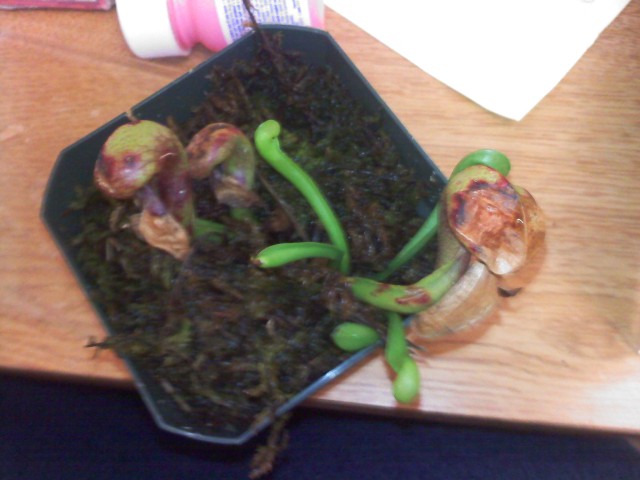
Asymmetric Cobra Lily Growth: Normal for Young Plants
One-sided growth on a young Darlingtonia in early season? Totally normal. What to Expect Symmetry develops with time. Runners (stolons) produce offshoots to the side—also normal. Full, balanced clump comes with age.


White Dots & Green Fuzz on Soil: Perlite, Algae & How to Fix It
Photo diagnosis: White Dots = Perlite Peat washes away, exposing perlite. Harmless. Happens in our pots too. Green Fuzz = Algae + Moss Caused by low light (greenhouse/indoor growing). We never see it on outdoor full-su
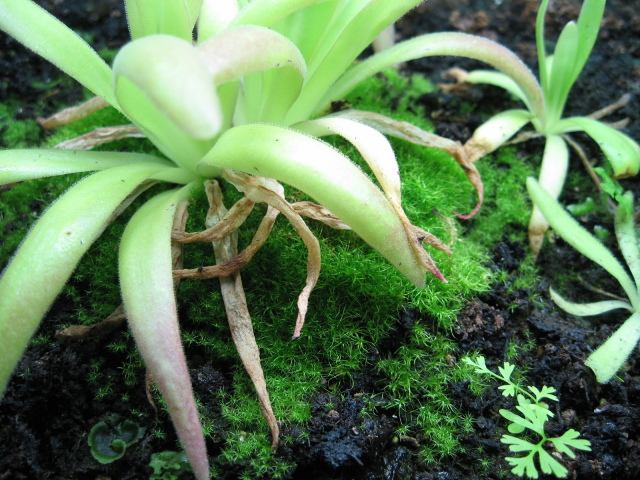
Pinguicula 'Aphrodite' Losing Old Leaves? That's Normal.
Older leaves browning and dying on your Mexican butterwort? Perfectly healthy. Why Its Obvious P. Aphrodite has erect leaves—dead ones stand out. Ground-hugging species (like P. moranensis) hide it better. What to Do
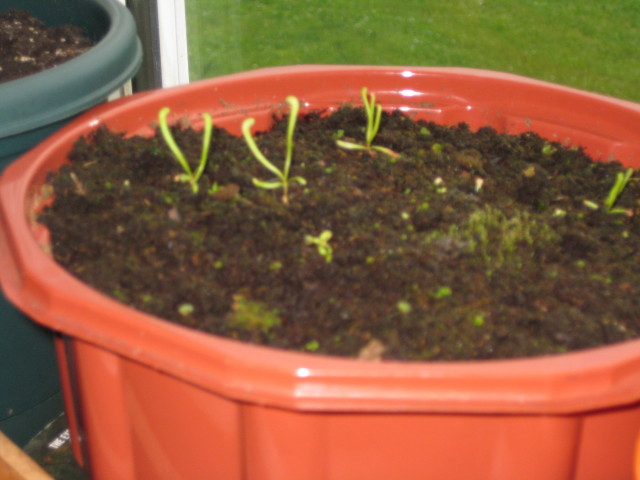
Identifying Sarracenia Seedlings from a Carnivorous Creations Kit
Congrats—youre in the tiny minority who actually got seeds to sprout from those kits! What You Have Your photo shows Sarracenia pitcher plant seedlings. Upright growth at this stage suggests S. flava (Yellow Trumpets),
Sarracenia Dead After Zone 5 Winter? Likely Yes—Here's Why
No growth by mid-May in Vancouver, WA? Theyre dead. The Killer Combo Record cold: 7–8°F for three nights (Zone 7 temps). Rapid warm-up → fungal explosion. Wind + containers = root desiccation (the real killer). Snow wo
Aphid Control on Sarracenia & Drosera: Neem, Pyrethrin, or Systemic?
Heavy aphids on S. flava, S. leucophylla, D. filiformis flowers. Three options: Topical (Neem / Pyrethrin) Stay on leaf surface. Break down in 2–3 days → reapply every 7–10 days. Natural approach. Safer brand neem work
Why Shade Kills Sundew Dew: Light = Energy = Mucilage
Dry leaves on D. spatulata and D. adelae in shade? Thats the problem. The Science Dew (mucilage) is a nectar secretion. Producing it takes massive energy → from photosynthesis → from sunlight. No sun = no dew. Outdoor
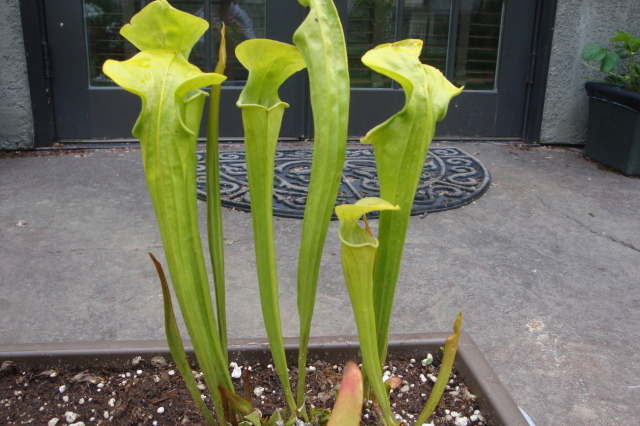
Cool Spring Weather Stunts Sarracenia Growth—Wait for Warmth
Your Sarracenia collection looks scraggly after repotting into a big planter. Main culprit: cool, unstable spring weather. Whats Happening Dramatic temperature swings → leaf imperfections. New growth is vulnerable unti
Dewy Pine in Arizona Heat: Sun, Acclimation & Judgment Calls
Your Drosophyllum (dewy pine) is acclimating. Short leaves = normal adjustment. One long leaf with dew? Good sign—its adapting. Climate Reality Check Native to Spain/Portugal: hot, arid summers. But Arizonas 105°F+ and
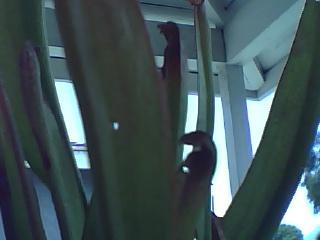
Small Holes in Pitcher Plant Leaves: Yellow Jackets or Other Pests?
Tiny holes near the pitcher tube? Usually yellow jackets chewing escape holes. Theyre too small to exit, so the hole stays small. Harmless to the plant. If Its Not Yellow Jackets Your photo shows holes on the wing, not
Nepenthes truncata Bare-Root Recovery: Double Repotting & Humidity Acclimation
Youve repotted twice in three days—stop now. The plant is in a better mix (sphagnum + perlite). Leave it alone. Watering Top-water every 3–4 days, just until a little drains out. No standing water—Nepenthes rot in water
Nepenthes truncata in Coconut Fiber: When to Switch Soils
That Zoo Med coconut husk brick? Repot now. Coconut fiber (fine, moss-like) isnt the same as coconut husk (chunky shell pieces). The fiber compacts, holds too much water, and may contain salts. Better Mixes for Nepenthe
Why Your Venus Flytrap Declined Under Incandescent Lights
Nebraska Zone 5 isnt too cold for flytraps—our Oregon nursery (Zone 8) sees 40°F nights and they thrive. The real culprit: incandescent grow lights. Why Incandescent Fails Wrong spectrum (too much red/far-red, not enou
Growing Darlingtonia from Seed: Easy Germination, Slow Maturity
On a 1–10 difficulty scale: Germination = 1. Maturity = 8. The Easy Part Darlingtonia seeds germinate readily—95%+ rates are common. Sow on moist peat, keep cool (50–60°F), and wait. The Hard Part Seedlings stay tiny f
Stop Rinsing Peat & Perlite—It's a Waste of Time
Rinsing peat moss and perlite before potting? Dont bother. Why It Doesnt Work Fertilizers in commercial mixes are usually time-release—rinsing wont remove them. No benefit to washing away non-existent contaminants. W
Can a Slug, Frog, or Mouse Kill Your Pitcher Plant?
Short answer: No. A single large prey item might rot one pitcher, but the plant survives. What Actually Happens Oversized prey → pitcher rots → that leaf dies. Plant continues growing new pitchers. Overfeeding is a myt
Paper Shade vs. Shade Cloth for Nepenthes Greenhouses
Paper window shade might work short-term, but its a gamble. Heres why shade cloth is worth the small investment. Paper Shade Problems Inconsistent light reduction (depends on paper thickness/quality). Degrades in one s
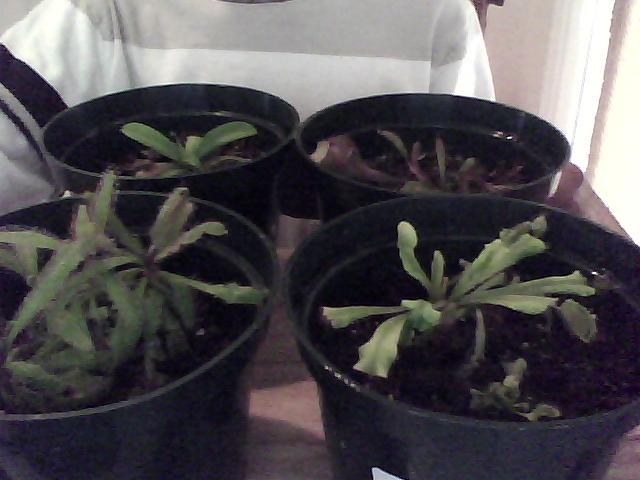
Fixing Soil Mixes for Flytraps, Sarracenia & Nepenthes (Vermiculite? No.)
That Lowes haul (flytrap, sundew, Nepenthes, S. purpurea) needs correct soil—now. Whats Wrong Vermiculite holds too much water and compacts—bad for flytraps & Sarracenia. Pure sphagnum moss (what they came in) stays to
Repotting Cephalotus: Soil Mix, Pumice vs. Perlite & Superthrive
Your proposed mix—⅓ peat, ⅓ washed sand, ⅓ pumice or perlite—is excellent for Cephalotus follicularis. Both pumice and perlite work; pumice holds slightly more moisture, perlite drains faster. Choose based on your wateri
Feeding Drosera venusta: Do You Need to Remove Caught Flies?
Your sundew caught 10–12 fruit flies in days. Should you intervene? No. In nature, sundews catch prey continuously. At our nursery, thousands of sundews feed themselves—we never remove carcasses. They dont harm the plan
Copyright © www.100flowers.win Botanic Garden All Rights Reserved