
Why Your Young Sarracenia Aren't Flowering Yet
Small Sarracenia rarely flower. Most need 2-3 years and a full winter dormancy to reach blooming size. Sarracenia purpurea requires substantial mass; S. rubra varieties flower younger. S. flava typically blooms with two

Pruning Dead Nepenthes Pitchers: Where to Cut
Cutting off dead pitchers is purely aesthetic. In nature, they wither and fall naturally. For a tidy look, wait until the entire pitcher and tendril are brown, then snip at the leaf base. This ensures the plant reabsorbs
Brown Spots on Nepenthes ventricosa: Thrips and Rust Fungus
Brown spots with red margins on Nepenthes leaves often indicate thrips feeding. These microscopic pests rasp leaf tissue, causing rust spots—a harmless fungal colonization of damaged cells. You may see sticky droplets (h
To Flower or Not: Drosera filiformis Bloom Management
Healthy, well-lit Drosera filiformis can flower without harm. Cutting the stalk is only recommended for weak plants. If your sundew has red leaves and vigorous growth, enjoy the blooms—theyre attractive and produce viabl
Identifying Nepenthes 'Deroose Alata': A Common Hybrid
Plants sold as Nepenthes alata in garden centers are usually Deroose Alata, a hybrid: N. alata × (N. alata × N. ventricosa). Deroose Nursery (Netherlands) originated this clone. Its vigorous, adaptable, and ideal for beg
Accidental Sarracenia Division: What to Expect
If a Sarracenia rhizome splits during a fall, and both pieces have roots, theyll survive. Growth slows temporarily as energy redirects to root recovery, but losses are rare. Pot each division separately in fresh mix. For
Is My Pitcher Plant Dead? How to Check the Rhizome
Visual inspection isnt enough. Unpot the plant and examine the rhizome and roots. Healthy roots are white and supple. Scrape the rhizomes outer layer: the interior should be firm and white. Brown, mushy roots and a soft,
Correct Soil for Pitcher Plants: Peat and Perlite, Not Sphagnum
Many beginners use pure peat and sphagnum moss, but this holds too much water and lacks aeration, causing root rot. The standard mix is equal parts peat moss and perlite. This provides moisture retention with critical ai
Building an Outdoor Planter Box for Carnivorous Plants
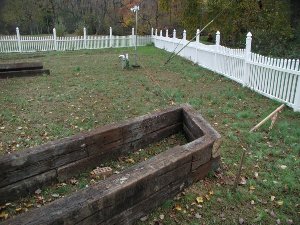
For a mixed bog planter in Portland, depth depends on plant size: 6-8 inches for small plants, 12+ inches for mature specimens. Always use pots with drainage holes set into a larger tray—never a sealed box. The tray hold
Repotting Young Sarracenia: Pot Size and Timing
Small Sarracenia purpurea (4 inches tall in 3-inch pots) can be repotted now into 4- or 5-inch containers. No need to wait for spring. Gently transfer the intact soil ball into the larger pot, filling gaps with fresh 1:1
Is My Venus Flytrap Dying or Just Waking Up?
In spring, Venus flytraps often look terrible—old traps blacken, leaves shrink, and the plant appears to be collapsing. But if the rhizome is firm and pale green-white at the base, the plant is healthy. Its simply sheddi
Pine Needles as Mulch for Sarracenia: Yes, They Work
Pine needles make an excellent topdressing and winter mulch for Sarracenia. Theyre naturally acidic, mimic the plants native savannah habitat, and resist compaction. In the wild, Sarracenia often grow amid pine straw. Ap
Reviving a Dried-Out Sarracenia: Water, Dormancy, and Patience
If your Sarracenia dried out during winter but the rhizome is still firm and white, recovery is likely. Immediately resume the tray method: keep 1/4 to 1/2 inch of distilled or rainwater in the saucer. Trim brown pitcher
Deformed Sarracenia Pitchers? Check for Aphids
Twisted, stunted, or shrunken pitcher tips often signal an aphid infestation. These tiny sap-suckers cluster on new growth, distorting developing pitchers. Even a few aphids can cause visible damage. Ladybugs help but ar
Should You Cut the Flower Stalk on a Young Venus Flytrap?
Young Venus flytraps often produce flower stalks prematurely. While flowering is natural, it diverts energy from trap and root development. For a small, recently acquired plant, snip the stalk off at the base. The plant
Wick Watering Highland Nepenthes: Does It Work?
Wick watering can work for highland Nepenthes, which prefer consistently moist but not waterlogged conditions. Use a synthetic wick (nylon or polyester) running from a reservoir into the pots drainage hole. The medium mu
DIY Shade Solutions for Nepenthes in Sunny Windows
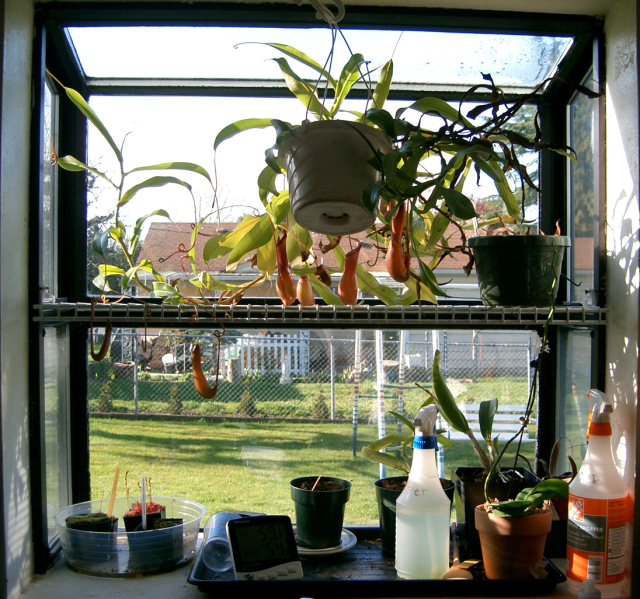
South-facing windows can scorch Nepenthes, especially highland species. If shade cloth is unavailable or too expensive, simple household materials work. White paper or sheer curtain fabric taped to the upper window panes
Dewy Pine (Drosophyllum lusitanicum): The Carnivorous Plant for Dry Climates
Looking for a carnivorous plant that tolerates dry conditions? The Dewy Pine, or Portuguese Sundew (Drosophyllum lusitanicum), native to Portugal, Spain, and Morocco, thrives in arid, Mediterranean climates. Unlike most
Reviving Bare-Root Nepenthes: Soaking, Humidity, and Patience
Receiving Nepenthes bare-root can be stressful for the plants, but a few steps dramatically improve survival. Upon arrival, soak the entire plant in a Superthrive solution (1 teaspoon per gallon) for 15 minutes. This sti
Yellowing Cobra Lily: Why Your Darlingtonia Is Dying
Darlingtonia californica, the cobra lily, is notorious for sudden decline. By the time pitchers yellow and new growth wilts, the roots are usually already dead. This species is exceptionally sensitive to warm root temper
Copyright © www.100flowers.win Botanic Garden All Rights Reserved