
Why Did My Venus Flytrap Turn Black After Eating an Earwig?
Feeding a Venus flytrap by hand can be rewarding, but it carries risks. If a trap turns black after consuming an insect, the cause is usually one of two things: the prey was too large, or the trap was near the end of its

Can You Grow Different Carnivorous Plants Together in One Pot?
Many carnivorous plant enthusiasts wonder if they can combine multiple species in a single container. The short answer is yes—provided the plants share the same cultural requirements. Sarracenia purpurea, Venus flytraps,
Sarracenia flava Decline After Winter Division in Frozen Soil: Fatal Timing
Divided S. flava March 13 in frozen soil (40°F air, frozen rootball). 30-min root wash, fungicide, repot. Then freeze, mold, rhizome rot. Division timing killed them. Why Frozen soil = plant dormant. Breaking rhizome =
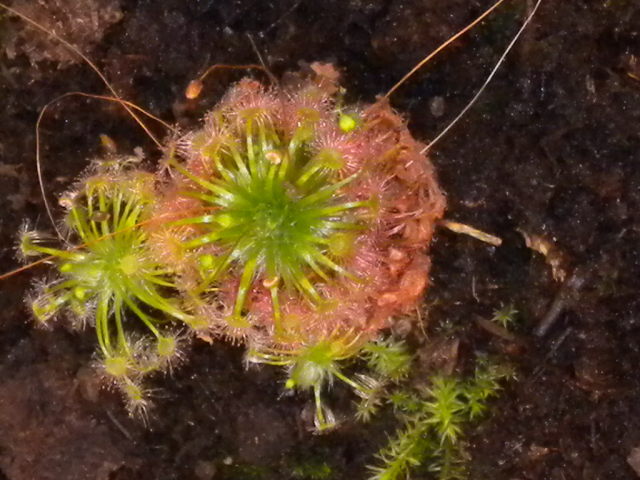
Pygmy Sundew ID & Care: Move Out of Terrarium
Photo confirms: pygmy sundew (exact species needs flower). Care Like tropical sundews (D. spatulata, D. multifida). No terrarium. Resource DVD Vol 2 shows terrarium-free growing: cobraplant.com/DVD
Green Light Systemic for Trees on Carnivorous Plants? Use Bayer Instead
Green Light systemic (tree/shrub concentrate) vs. Ortho (discontinued). We use Bayer Disease Control (same active ingredient as Green Light). Issue Tree rates = soil saturation (high concentration). Small plants = foli
Nepenthes Cuttings: Prune & Propagate, Low Risk to Mother
6–7 ft vine, many basal shoots, pot-bound. Take cuttings = pruning + propagation. Method Cut vines to 8–12 sections (several leaves each). Remove dead pitchers/leaves, trim base leaves for vase fit. Opaque vase + water
S. oreophila Division: Cut Flowers Year 1, Enjoy Year 2
Divided endangered S. oreophila into 8 bulbs, 3 flowering. Cut flowers this year. Why Division damage → energy for healing + pitchers. We allow flowering Year 2 only. Youll get fewer/smaller pitchers if you keep flower
Sundew Tentacle Movement: All Move, Capensis & Regia Most Dramatic
Which sundews show visible tentacle movement? All move (some faster). Quick: D. capensis, D. regia, D. burmanii (minutes). Leaf curling (4–6 hr): D. capensis, D. regia best. Nearly all show movement within 15 minutes
Venus Flytrap Opened with Undigested Fly: Exoskeleton Remains Normal
Trap opened, dead fly inside? Normal. Flytraps digest soft parts; chitinous exoskeleton remains. In Nature Wind/rain removes husks. Not required to remove manually. If You Want To Blow out (hit or miss). Spray with di
Sarracenia Tray Water Too Hot in Riverside, CA? Shade Pot Sides
Clear trays, hot climate, worry about root cooking? Dark trays reduce algae. Roots tolerate heat, but: Shade pot sides (cacti, barriers) during peak summer. Water ≤¼ up pot. Top-water in extreme heat (aerates soil).
S. purpurea Not Growing? Same Answer: Patience Until June
Small + large pitchers, no growth? Wait until June. S. purpurea needs sustained warmth, lags behind upright cousins. Oregon: June growth.
Sarracenia purpurea Slow Spring Emergence: Wait Until June
Purple pitcher, firm bulb, roots, no growth for a month? Wait 2 more weeks. Why Its Slow Needs sustained warmth. Slower than upright Sarracenia. Oregon nursery: good growth starts June. Verify Conditions Outdoors, tr
125W Compact Fluorescent for 8 CPs: Maybe for Tropicals, No for Flytraps
Upgrading from 3×15W to 125W CFL for 8 plants? Species matters. By Plant Type Tropicals (butterworts, Nepenthes): possibly OK for a few small plants. Temperate sun-lovers (flytraps, Sarracenia): no. Need full-sun equiv
Nepenthes ventricosa Deformed Lids: Juvenile Quirks, Not Disease
New pitchers with tiny lids that die? Normal for first pitchers after a gap. Why Early pitchers often funky. N. ventricosa pitchers last ~1 month. Your care (daily flush, 11 hr sun) sounds fine. Fix Time. Next set wi
Darlingtonia Spring Die-Back: Old Pitchers, Not Death
Zone 7, covered winter, green then dried in March temp swings? Old pitchers dying off. Normal Timeline Mid–late May: first new pitchers. June 1: first open pitchers (Oregon). White/red stolons = healthy. Action Trim
Light Spectrum for Highland vs. Lowland Nepenthes: Atmospheric Filtering Theory
Orange-shifted light helps lowland Nepenthes; blue-shifted helps highland (Heliamphora)? Plausible physics. Why It Makes Sense More atmosphere → longer path → red shift (sunset effect). Lowlands = more air mass → redde
Pitcher Plants & Flytraps in NC: Full Sun for Sarracenia & Dionaea
Durham, NC — winter survivors. Best outdoor spot? Identify Your Pitchers First Sarracenia = full sun all day (like flytraps). Nepenthes = bright partial sun. Flytraps Native to NC bogs — full sun all day. No shade ne
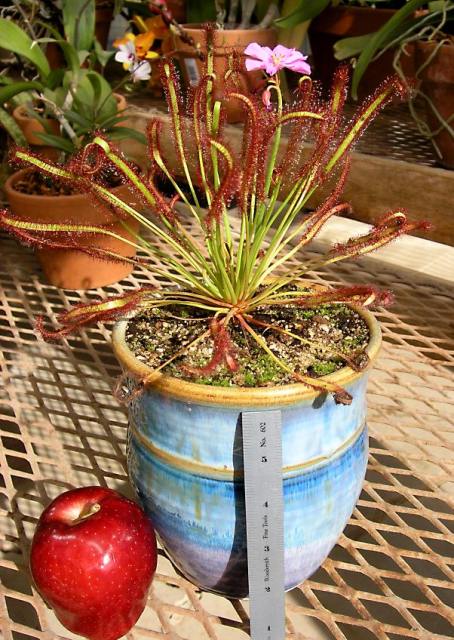
"Octopus Plant" = Cape Sundew: Lives Years, Grows 8"+ Wide
Drosera capensis (octopus plant): No dormancy — grows year-round. Lives many years. Mature: 8+ (20 cm) diameter. Produces basal offshoots (separate when repotting). Old stalk can be buried deeper → new roots/offshoots.
Drosera capensis Stopped Dew After Feast: Light, Not "Full"
Ate 30+ fungus gnats, then stopped dewing. Not full—light is too weak. Evidence Fairly weak fluorescent light = problem. Dew = photosynthetic product. No light energy = no dew. Prey count irrelevant to dew production.
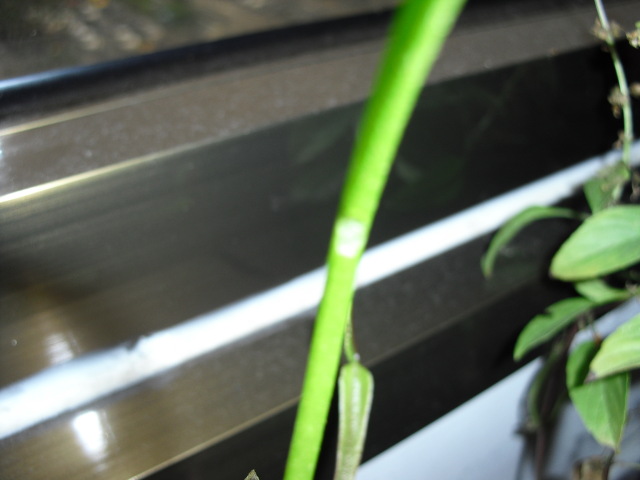
Caterpillar on Flytrap Flower Stalk: Systemic Acephate Works
Moth larvae eating flower stalk (stem didnt wilt). Acephate (Orthene) systemic kills caterpillars. How to Use Mix per label, spray 3× over 1–3 days (dry between). Plant becomes toxic to chewing/sucking insects for 6–8
Copyright © www.100flowers.win Botanic Garden All Rights Reserved