


Many homeowners worry about planting certain greenery when pets and young children play in the yard. While some common plants are labeled "poisonous," that doesn't mean you must banish them entirely. Understanding the risks and taking simple precautions can let you enjoy a beautiful landscape safely.
The American Horticultural Society offers an excellent resource titled "Dangerously Pretty: Poisonous Plants" that outlines which species pose genuine hazards. The key is awareness: teach children not to put leaves or berries in their mouths, and supervise pets that like to chew on foliage.
Two frequently encountered plants with toxic parts are arum (shown with its bright berries) and castor bean (notable for its highly poisonous seeds). Both are striking in the garden but should be placed where curious hands and paws can't reach them.
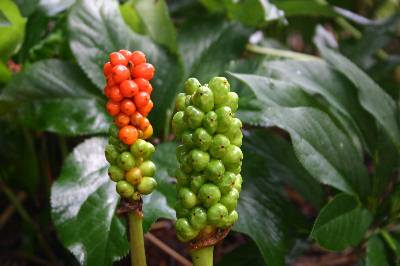
Arum berries
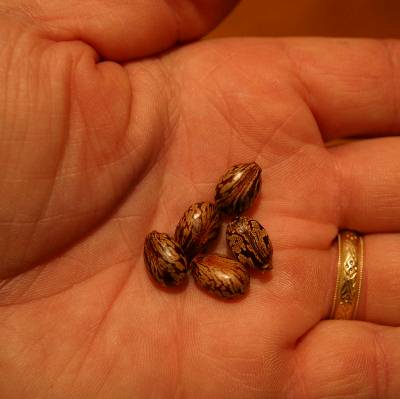
Castor bean seed
With a little planning, you can cultivate a diverse, vibrant garden that's safe for the whole family.
Designing a Shampoo Concentration Experiment for 7th Grade Science
Refined Shampoo Dose-Response Experiment for Bean Plants
Fungus Gnats and Carpet Moss in Venus Flytrap Pots
Caring for Newly Acquired Pinguicula Hybrids and Drosera Burmannii
Why Terrariums Fail for Venus Flytraps and Sundews: The Los Angeles Balcony Alternative
Moving Houseplants: Cold Protection for Overnight Vehicle Storage
Cat-Safe, Asthma-Friendly Houseplants
Are Peace Palms Safe for Cats? Managing Pet-Plant Interactions
Are Cat Palms (Cataractarum Palms) Toxic to Humans and Pets?
Vinegar Watering Experiment: Why Wheat Sprouts Grew Then Died
School Project: Testing Chlorine Effects on Plants
Copyright © www.100flowers.win Botanic Garden All Rights Reserved