


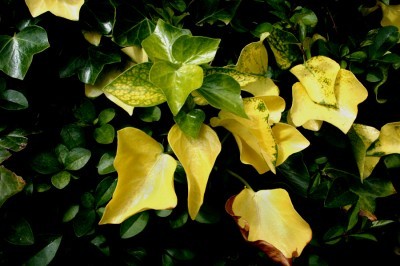
Ivy plants are beloved for their trailing vines and resilient nature, thriving in both indoor and outdoor settings. However, even these tough plants can develop yellow leaves—a sign that something in their environment needs adjustment. The good news? Yellowing ivy leaves are rarely fatal and usually respond well to simple fixes once you identify the cause.
When your ivy starts showing yellow foliage, several culprits could be at play: environmental stress, pest infestations, or disease. Catching the problem early makes correction straightforward. Here's what to look for:
Sudden changes often trigger yellowing. Transplant shock, exposure to drafts, excessively dry air, or a buildup of fertilizer salts in the soil can all cause leaves to lose their green color. First, ensure your plant isn't sitting in standing water. Move it away from direct sunlight and heating vents, which can scorch or dry out foliage.
If you notice a white crust on the soil surface, that's a telltale sign of salt accumulation. Flush the pot by slowly pouring water equal to twice the container's volume through the soil, allowing it to drain completely—this carries excess salts away. Misting helps combat dry air, but avoid leaving water on the leaves, which can invite fungal issues.
Spider mites are microscopic arachnids that suck sap from leaf cells, creating tiny yellow stippling that eventually merges into widespread yellowing. Look for distorted leaves, premature leaf drop, and fine webbing near damaged areas. Regular misting and applications of insecticidal soap effectively control mites.
Whiteflies resemble tiny white moths and cluster on leaf undersides, draining plant juices and excreting sticky honeydew. They're easier to spot—disturb the plant and they'll fly up briefly. A strong spray of water from a hose or kitchen sprayer knocks them down and disrupts their lifecycle.
Bacterial leaf spot thrives in high humidity. Bacteria enter through natural leaf openings or wounds, causing brown-to-black lesions surrounded by yellow halos. Remove severely affected leaves and treat the remainder with a copper-based fungicide. Prevent recurrence by avoiding overhead watering and ensuring good air circulation so foliage dries quickly.
Palm Leaves Yellowing After Moving Indoors for Winter
Diagnosing and Saving a Split-Leaf Philodendron with Root Rot
Diagnosing Yellow Leaves on Houseplants: The Three Main Causes
Diagnosing Black Spots on Annuals After Storms
Fixing Yellow Leaves on Gardenias with Acid-Loving Fertilizer
Peach Tree Yellow Leaves: Water Stress, Not Spray Issue
Transplant Shock in Newly Planted Prairifire Crabapple
Holly Yellow Leaves: Check for Scale Insects
Why Your Indoor Plants Are Turning Yellow: Beyond Fertilizer Fixes
Phalaenopsis Yellowing Leaves and Stem: Natural Aging vs. Root Rot Rescue
Copyright © www.100flowers.win Botanic Garden All Rights Reserved