

Bad Sand Kills Carnivorous Plants: Test Before You Pot
Washed sand can contain limestone or marble, leaching calcium into the soil. This raises TDS to 150-200 PPM and pH to alkaline—deadly for carnivores. The mineral deposits on your pots confirm it. Repot immediately into 1

Best Carnivorous Plants for Hawaii: Tropicals Thrive, Temperates Struggle
On Oahu, grow tropicals: most Nepenthes (except ultra-highlanders), tropical Drosera, Mexican Pinguicula, and woolly sundews. Avoid Heliamphora, Cephalotus, Venus flytraps, hardy sundews, and Darlingtonia. Sarracenia may
Charcoal in Orchid Bark for Darlingtonia: No Problem
Charcoal chips in orchid bark are harmless for Darlingtonia. They absorb impurities, but frequent top-watering leaches any residues quickly. Use the bark as-is in your Darlingtonia mix.
Successful Nepenthes Stem Cuttings: Perlite and Liquid Hormone
Powdered rooting hormones often fail on Nepenthes. Switch to liquid Superthrive (contains hormone) or skip hormone entirely. Use straight perlite instead of sphagnum—its sterile, airy, and reduces rot. Keep a shallow wat
Cultivating Fungus Gnats as Sundew Food
Fungus gnats are greenhouse pests, but theyre perfect self-sustaining prey for terrarium sundews. To restart a colony: take soil from a houseplant with gnats, pot it, and place in your terrarium. Eggs will hatch, larvae
Cooling an Ultra-Highland Terrarium: Thermoelectric Solutions
For summer nights above 70°F, a thermoelectric cooler (Peltier unit) is the most practical solution. Remove the cooling module from a portable cooler (Igloo, Koolatron) and mount it on the terrarium. Built-in fans circul
Using Aquarium Water for Nepenthes: A Dilute Fertilizer
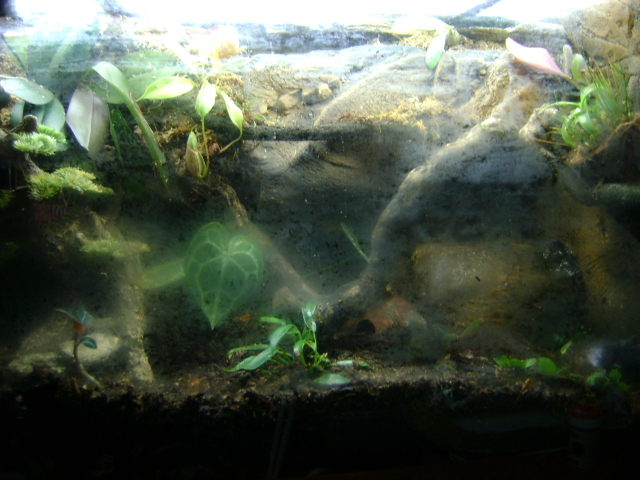
Canister filter effluent from a dart frog tank is excellent for Nepenthes—dilute, nutrient-rich, and well-tolerated. Do not use on bog species (Sarracenia, Dionaea, Drosera); theyll decline from nutrient buildup. High hu
From Baby Pitcher to Mature Trap: Sarracenia Growth Timeline
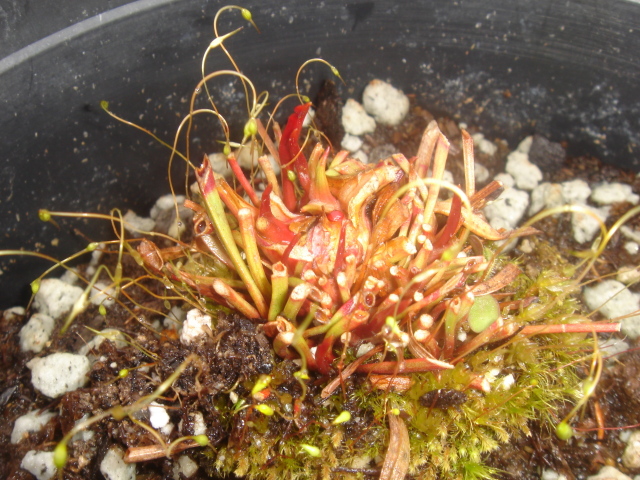
New spring growth to mature pitcher takes about a month, temperature-dependent. The photographed rhizome resembles S. rubra or S. leucophylla Tarnok more than flava or minor. Soil has pulled from pot sides—repot soon int
African Violet Pots for Heliamphora and Cephalotus: Size and Soil
African violet pots work well for Heliamphora and Cephalotus—they prefer moist but well-drained conditions. However, 5-inch diameter × 2.5-inch deep pots are small. Check Lowes or Home Depot for larger sizes (8-inch). Re
Sarracenia × catesbaei Height and Self-Pollination Facts
S. × catesbaei typically reaches 6-8 inches. Height varies with parent clones: S. flava × S. purpurea venosa is standard; using S. rosea yields taller plants (e.g., cultivar Abandon Hope). Sarracenia self-pollinate poorl
Cross-Teeth Flytrap Troubles: Second Opinion
When one cultivar fails in identical conditions, consider root pests, soil contaminants, or cultivar-specific sensitivity. Some varieties enter dormancy earlier. Unpot and check for soil pests. Consult Sarracenia Northwe
Identifying Rescued Nepenthes: Ventrata and Ventricosa
Two rescued Nepenthes: the first is N. × ventrata (alata × ventricosa), a common, vigorous hybrid. The second is pure N. ventricosa, identifiable by its waisted, red-speckled pitchers. Both are thriving—excellent rehabil
Rescuing a Stressed Nepenthes from Lowe's: Light, Humidity, and Water
Store-bought Nepenthes often suffer from low humidity, improper light, and hard tap water. This plant shows classic dehydration and humidity shock. Never use tap water unless tested <50 PPM. Rain, RO, or distilled only.
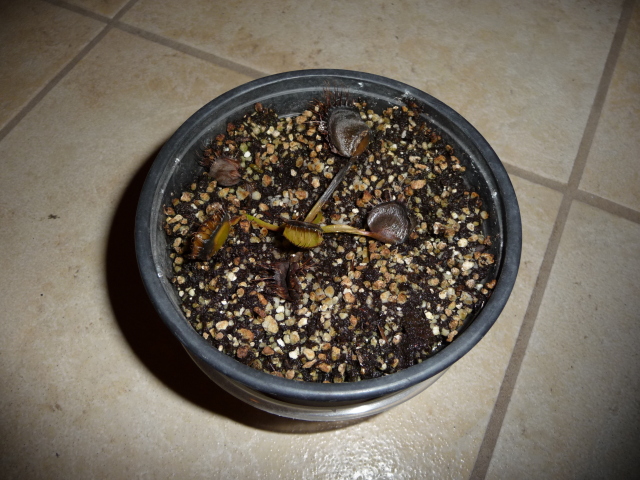
Cross-Teeth Flytrap Decline: Root Rot or Chemical Damage?
When one Venus flytrap cultivar fails while others thrive, suspect root-specific issues: fungal rot, soil pests, or accidental fertilization. Unpot and inspect the rhizome—white and firm means recovery is possible. Repot
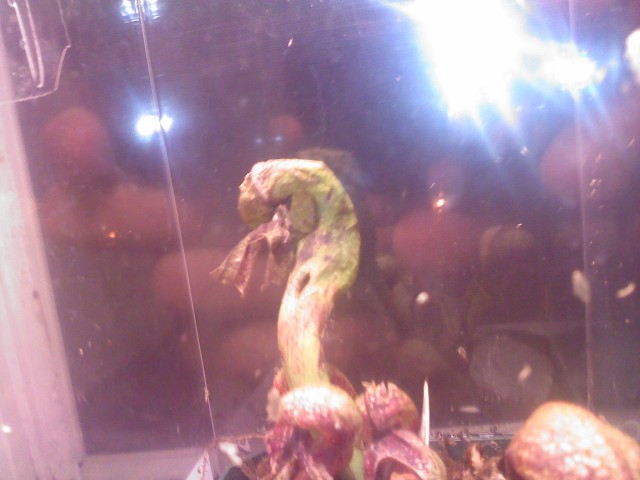
Cobra Lily Humidity Shock: Acclimating a Cube Plant
The large pitcher dying back is normal humidity shock from the retail cube. Cut it off to reduce transpiration. Acclimate slowly: drill a few holes in the cube daily for two weeks, then remove the plant entirely. Darling
Soil pH 4.3-4.5 Is Perfect for Carnivorous Plants
7) is harmful. Commercial mixes often add lime to raise pH, making them unsuitable. Your 41 PPM water is excellent. No correction needed. The plants will thrive. Focus on consistent moisture and full sun.
Protecting Sarracenia from a Late Spring Freeze
A forecast of 16°F after plants have broken dormancy is dangerous. New growth and flower stalks will be damaged; rhizomes may survive. Covering helps, but teens are too cold for tender tissue. Best: move potted plants in
Growing Nepenthes hamata: Tips for the Toothed Peristome Species
Nepenthes hamata is the easiest of the toothed-peristome highlanders. If you succeed with other highland Nepenthes, hamata is a logical next step. Start with a larger plant if possible—small ones are fragile. Maintain 60
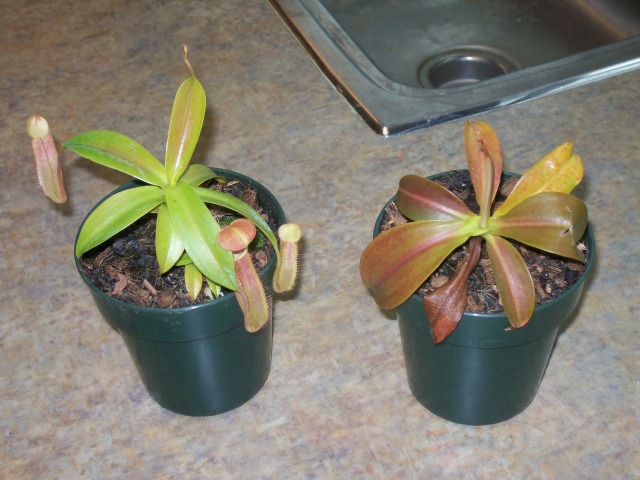
Bronze Leaves on Nepenthes: Normal Color or Stress?
Bronze or reddish leaves on Nepenthes × Miranda are normal—this hybrid inherits red pigmentation from N. maxima. It indicates good light, not stress. Pitchering may lag by a few weeks; large specimens often start in late
Pot Size for Heliamphora minor: When to Upgrade
A 3-inch pot suits Heliamphora minor for up to a year, but moving to a 5-inch pot sooner encourages clumping. This species forms dense colonies over time. Use a well-draining mix: peat, perlite, and orchid bark. African
Copyright © www.100flowers.win Botanic Garden All Rights Reserved