


With their flamboyant, feathered petals and vivid colors, parrot tulips are the showstoppers of the spring garden. These unique tulips add drama and texture to beds, borders, and bouquets. Here's a closer look at their features, cultivation needs, and the mysterious 'Black Parrot'.
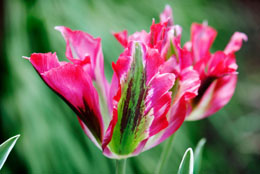
Parrot tulips (Tulipa Parrot Group) are distinguished by their large, cup-shaped flowers (up to 4 inches across) with deeply serrated, twisted, or waved petals—reminiscent of a parrot's plumage. Petals are thicker than standard tulips, and colors range from white, gold, pink, purple, orange, red, to yellow, often with dramatic flames or margins.
A standout cultivar, 'Black Parrot' features deep purple-black, feathered petals on strong stems—excellent for cut flowers. Blooms mid-May. Requires well-drained soil with good moisture retention, pH ~6.5, and benefits from added organic matter and coarse sand.
Parrot tulips are a spectacular, if somewhat demanding, addition to the spring garden. Their exotic form and intense colors make them worth the extra attention.
Deadheading African Violets: Where and How to Remove Spent Blooms
Why Your Mature African Violet Refuses to Bloom—and How to Fix It
Drosera × 'Marston Dragon' Flowering Twice in One Season: Normal or Resource-Driven?
Feverfew for Migraines and Chamomile Tea: Uses and Preparation
Bougainvillea Pruning: Timing Is Everything for Blooms
Designing a Cutting Garden: Expert Tips for Long-Lasting Blooms
Growing Hardy Hibiscus in Michigan: A Zone 5 Success Story
Old Tulip Bulbs in Raised Bed: Replace Rather Than Transplant
Why Bougainvillea Stops Blooming After Transplant: Nitrogen, Pruning & Water
Deadheading Basics for Beginner Gardeners: Which Flowers and How
Copyright © www.100flowers.win Botanic Garden All Rights Reserved