


Many carnivorous plant growers face a common dilemma: is a sunny windowsill enough, or do you need artificial lighting? The answer depends on your specific conditions and the plants you're growing.
A grower named Justin had a south-facing windowsill that originally received filtered sunlight. After nearby trees were removed, the window got about 8 hours of direct sun daily—though not intense enough to scorch plants. He was concerned this might be too much light for his Nepenthes sanguinea, N. ventricosa, and Pinguicula moctezumae. Daytime highs reached 85°F with 45–50% humidity.
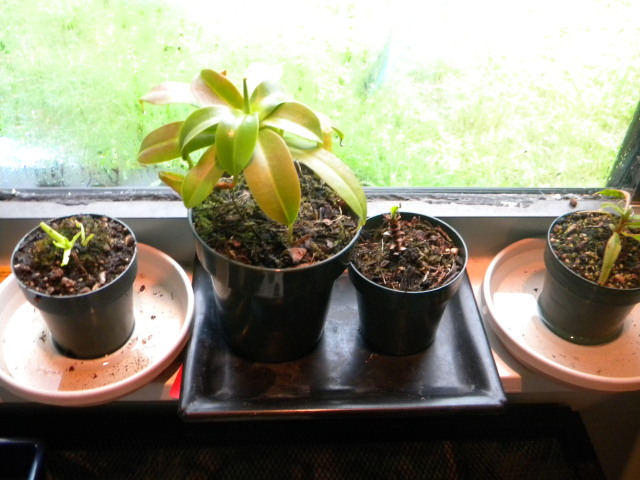
Jeff Dallas of Sarracenia Northwest reassured Justin that the tree removal was actually a gift. The plants had previously been light-starved. Nepenthes rarely get too much sun indoors on a windowsill, and the extra light benefits most Pinguicula species, especially long-leaf types like P. moctezumae. The windowsill was now ideal for carnivorous plants.
Justin also wondered if a shop light (as shown in the "Grow Carnivorous Plants" video series) would be better for his Drosera paradoxa, D. capensis (red leaf), D. aliciae, and D. scorpioides, which were being battered by outdoor thunderstorms. Jeff advised that a shop light could extend the growing area but wasn't necessary for the windowsill plants. For the sundews, artificial light is a good option if outdoor conditions are harsh.
When asked if the four Drosera species would thrive on the same windowsill, Jeff confirmed they should do well now that the window receives more sun. However, he recommended supplementing with artificial light in winter when days are shorter.
Good Growing!
Jeff Dallas
Sarracenia Northwest
https://www.cobraplant.com
Repotting Sarracenia and Dionaea in Early Spring: Does It Trigger Early Growth?
Lighting a Carnivorous Plant Terrarium for a Dining Room Centerpiece
Terrarium Failure: Why Carnivorous Plants Die in Tanks and How to Fix It With Shop Lights
Lighting a 4-Foot Terrarium: T8 vs T5 for High-Light Carnivorous Plants
Optimizing Fluorescent Lighting for Indoor Nepenthes: Intensity, Spectrum, and Leaf Burn Prevention
Evaluating Artificial Lighting for Temperate and Tropical Carnivorous Plants Indoors
Cactus Artificial Lighting: Zero Experience, Redirect to Specialized Forums
Combining Window Light and T5 Fluorescent for Carnivorous Plants
Indoor Carnivorous Plant Lighting: Skip Expensive "Plant Lights," Use Shop Lights
Assessing Light Levels for Indoor Nepenthes: Color and Growth as Guides
Artificial Lighting for Ponytail Palm: Reptile Lights Work Perfectly
Optimizing Grow Lights for Bird of Paradise and Citrus: Intensity, Duration, and Heat Management
Windowsill Gardens: Grow Herbs, Houseplants, and Veggies Indoors
Copyright © www.100flowers.win Botanic Garden All Rights Reserved