


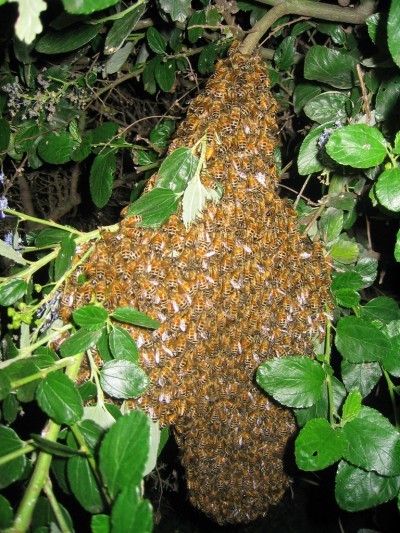
A honeybee swarm—a cluster of thousands of bees with a queen—is a natural reproductive event, not an attack. Swarms are temporary (hours to 2 days) while scouts find a permanent cavity. Here’s how to respond safely and responsibly.
Only as a last resort for allergy risk or high-traffic areas: use a non-toxic soap spray (1 cup bleach-free dish soap per gallon water). Soak outer layers; bees fall onto a tarp below. Repeat. This is far preferable to pesticides, which kill bees and contaminate the environment.
Honeybees are in crisis. Swarms are a sign of healthy colonies. If the swarm isn’t endangering anyone, simply observe—it’s a remarkable natural event. Most move on within 48 hours. Supporting beekeepers and planting bee forage helps more than any removal.
Mosquito Management in Woodland Gardens: Habitat Modification Over Planting
Grub Control Timing and Managing Animal Damage in Michigan Lawns
Termite Control: Understanding Methods, Resistance, and Emerging Strategies
Planning the Perfect Garden Patio: Location, Size, and Design
How to Make Compost at Home: A Complete Guide to Turning Waste into Garden Gold
How to Lay Garden Turf for an Instant Perfect Lawn
How to Choose Garden Decking: Materials, Safety, and Design Flexibility
How to Choose a Garden Arch: Styles, Materials, and Design Impact
How to Choose a Garden Pergola: Design, Materials, and Living Space Creation
Comprehensive Guide to Choosing Garden Furniture Sets
Termite Control Strategies: Beyond Pesticides to Plant-Based Defense
How to Plan a Garden: Complete Guide for Beginners
Copyright © www.100flowers.win Botanic Garden All Rights Reserved