

Managing Early Blight on Tomatoes and Leaf Scorch on Iris/Daylilies
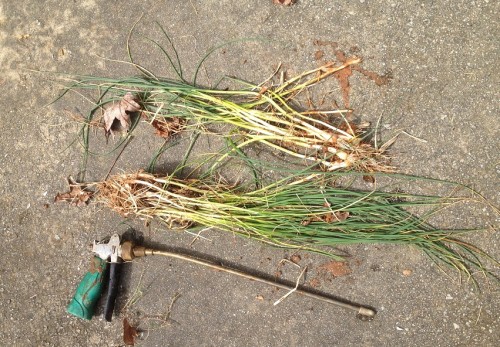
Two Different Problems, One Cultural Fix Early blight on tomatoes shows target-like spots with concentric rings and yellow halos, starting low and moving up. Tip burn on iris and daylilies is usually moisture stress, not

Camellia Sooty Mold: Insect-Induced Black Coating
Black Soot + White Powder = Insects + Fungus The black sooty substance on top of leaves and bark is sooty mold feeding on honeydew. The powdery white spots underneath are likely the insects themselves (scale, aphids, or
Black Coating on Crape Myrtle Is Sooty Mold, Not Fungus
Fungicides Won’t Work The persistent black film on your crape myrtles—despite four fungicide sprays—is sooty mold growing on honeydew from aphids, scale, or whiteflies. It’s an insect problem, not a disease. Target the I
Citrus Leafminer Causing Cupped Leaves: Organic Solution
Serpentine Mines Under the Leaf Surface The cupping and discoloration on all your potted citrus (Meyer, Palestine lime, grapefruit) is textbook citrus leafminer damage. Look under the leaves for the silvery “railroad tra
Powdery Mildew on Sweet Peas: Identification and Next Steps
White, Dying Vines = Classic Powdery Mildew The white coating on your sweet peas and garden peas in Victoria, BC, is almost certainly powdery mildew. Aphids often accompany it, but the fungus is the primary issue. Confir
Interior Browning on Pencil Hollies: Check Watering and Drainage
Lower Leaf Drop = Root Zone Issue When pencil hollies lose leaves at the bottom and inside while the top grows, it’s usually a water or drainage problem. Immediate Checks Ensure deep, infrequent irrigation (not daily li
White Barnacle Spots on Weeping Elm: Need Photo for Accurate ID
Could Be Scale or Fungus The white, barnacle-like spots on the underside of branches that attract flies and coincide with blackened limbs need a visual diagnosis. They could be scale insects (which exude honeydew) or a f
Sago Palm Care: Less Water, Better Drainage
Overwatering Is the #1 Killer Baby sagos turning brown in July with weekly watering are getting too much water. Sagos are cycads—treat them like cacti. Correct Regimen Soil: Well-drained, rich in humus; plant slightly a
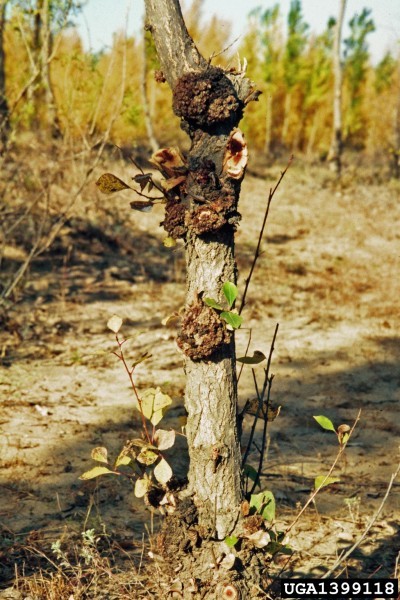
Fungal Canker on Young Evergreens: When Pruning Isn't Enough
Spraying Oil Wont Stop a Fungus If the canker is caused by a fungus (most are), Bonide All Seasons Spray Oil is ineffective. Pruning out infected branches is the only mechanical control, but if decay has spread extensive
Newly Planted Shumard Oak with Slime Flux: Care and Patience
First-Year Dieback Is Normal Oaks often shed leaves and focus on root growth the first year. Your tree’s leaf scorch and foamy trunk ooze suggest bacterial wetwood (slime flux)—a chronic, non-fatal condition. Management
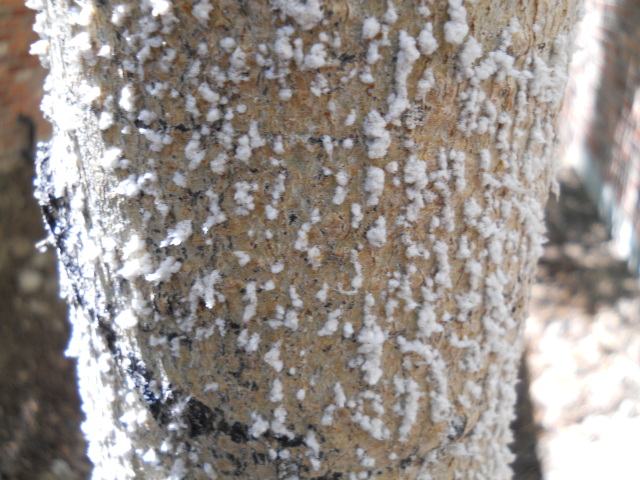
White Fuzzy Balls on Aspen Trunks: Insect or Fungal Canker?
Simple Field Test Scrape a tiny bit of bark under the cottony mass. Green tissue = insect (woolly aphids or scale). Brown/black dead tissue = fungal canker. If Insect Usually not fatal; tree often looks healthy otherwis
Diagnosing White Growth on Dracaena Marginata Requires Visual Inspection
Could Be Fungus or Insects The white, fungus-like growth at the top of your Dracaena could be a fungal sporulation or an insect colony (mealybugs, scale). Without a clear photo or sample, it’s impossible to distinguish.
White Spots on Sago Palm: Likely Mealybugs or Woolly Aphids
Not a Fungus—It’s Insects The little white spots on your bonsai sago palm fronds and base are almost certainly mealybugs or woolly aphids, not a fungal disease. Confirm and Treat Compare with Google Images for “mealybug
Miniature Orange Tree Recovery: Water Stress and Sun Acclimation
From Drowning to Sunburn Your tree survived near-drowning (fixed by drainage holes and repotting) but then faced intense summer sun and heat. The leaf curl, browning, and drop are transplant shock + sun stress. Recovery
Plum Curculio Damage on Peaches: Identification and Safety
Amber Crystals = Insect Stings The tiny, crystallized “dew drops” on your neighbor’s peaches are hardened resin from plum curculio (a small weevil) egg-laying punctures. Wipe one off; you’ll see a tiny hole underneath. E
Chinese Hawthorn (Haws Apple) vs. Crabapple: Distinct but Related
Not the Same Plant Chinese haw (Crataegus species) is a hawthorn native to China/Korea. It’s about the size of a small crabapple, red with brown dots, mealy texture, bitter-sour taste. Used in candies, preserves, and tra
Fire Blight vs. Mechanical Damage in Cleveland Bradford Pear
Brown Leaves in June: Two Likely Causes Bacterial fire blight shows as scattered, scorched-looking twig tips with dark brown to black leaves—the wood underneath is dying. Mechanical trunk injury (mower/string trimmer) ca
Ants on Gardenia Topiaries: Symptom of Honeydew Producers
Ants Are Not the Primary Pest Ants nesting in your gardenia topiaries are almost certainly farming aphids, scale, or mealybugs for their honeydew. The ants themselves don’t damage the plant. Find and Treat the Source In
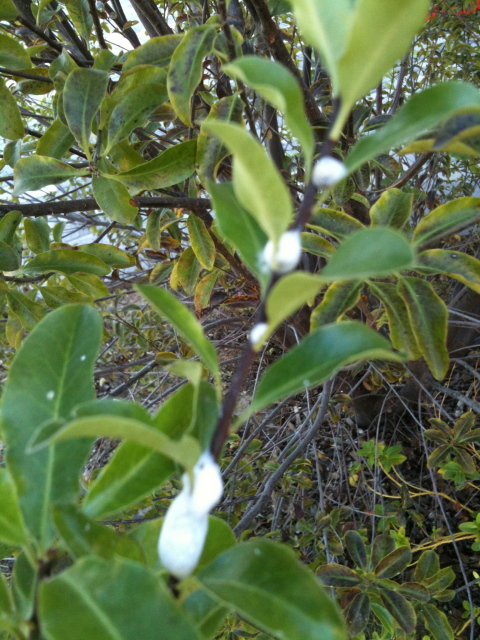
Spittlebug Foam on Pittosporum: Harmless but Check Watering
White Frothy Globs = Spittlebug Nymphs The “marshmallow” fluid on your Pittosporum branches is the protective foam of two-lined spittlebug nymphs. They feed on xylem sap but rarely cause serious damage to established shr
Gray Water Irrigation May Harm Shrubs Due to Phosphate Buildup
Household Wash Water Can Be Toxic Watering your Golden Box Honeysuckle with gray (wash) water likely introduced phosphates and other chemicals that accumulated to toxic levels in the soil, causing the branch-by-branch di
Copyright © www.100flowers.win Botanic Garden All Rights Reserved