

Sudden Heavy Fruiting on Bradford Pears: Genetics and Storm Risk
Why the Change After 20 Years? The replacement tree likely had a different genetic propensity for fruiting. Environmental triggers (weather, pollinator abundance) this year caused all trees to set a heavy crop of tiny fr

Post-Pruning Sap Flow on Mulberry: Focus on Tree Health
Dripping Cuts Are Normal Sap dripping from fresh pruning wounds on mulberry is normal and not a sign of disease. The real issue is the fungus that prompted the pruning. Health Recovery Plan Apply an organic fungicide/bi
Tarmac Around Oak Trees Causes Root Suffocation and Bark Loss
Paving Kills Roots Slowly If the council laid tarmac over the root zone, water and air can no longer reach the roots. Soil compaction pushes out oxygen, and the tree slowly starves. Symptom Progression Foliage browns an
Troubleshooting Yellowing Lilac: Soil Test and Cultural Checks
One Lilac Struggling, One Thriving When two lilacs planted 5 feet apart in the same conditions perform differently, the cause is usually site-specific soil or root issues. Diagnostic Steps Soil test: Check pH and nutrie
Aphid Honeydew on Lemon Tree: Identification and Organic Control
Sticky Liquid = Aphid Excrement The clear, sticky ooze on your lemon leaves is honeydew from aphids feeding on the sap. It doesn’t matter that the tree was started from a cutting—aphids find citrus wherever it grows. Con
Key Lime Fruit Drop: Water Consistency and Pollination Boost
Don’t Throw It Out—It’s Doing What Citrus Does Citrus naturally shed inner leaves to make room for fruit. Your tree’s problem is likely inconsistent watering (fruit aborts if soil moisture fluctuates) and poor pollinatio
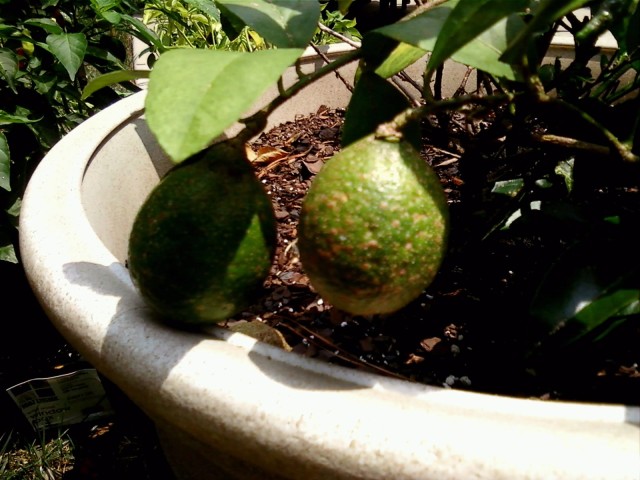
Scale on Potted Meyer Lemon: Cosmetic Issue With Organic and Chemical Fixes
Scaly Spots Are Scale Insects The scrapable, scaly spots on leaves, stems, and fruit are scale insects. They don’t damage the fruit internally but weaken the tree and look unsightly. Treatment Choices Horticultural oil
Redwood Needle Yellowing: Root Zone Stress Signals
1/8 Yellow Needles = Investigate Roots A 60-year-old redwood suddenly showing yellow needles is signaling root/soil stress—usually water or nutrient related. Checklist Water: Has it been hot, dry, or windy? Deep-soak th
Oak Decline After Paving: Root Damage and Recovery Plan
Asphalt Over Roots = One-Sided Scorch Paving the driveway next to your oaks severed roots on that side. The brown leaf edges on the pavement side confirm it: root loss causes canopy dieback on the same side. Up to one-th
Apricot Borer Cleanup: Protecting Neighboring Fruit Trees
Remove the Source, Shield the Rest Since the apricot is nearly dead, cut it down and destroy the wood (burn if permitted, otherwise landfill). This eliminates the borer nursery. Protect Adjacent Trees Spray the trunks a
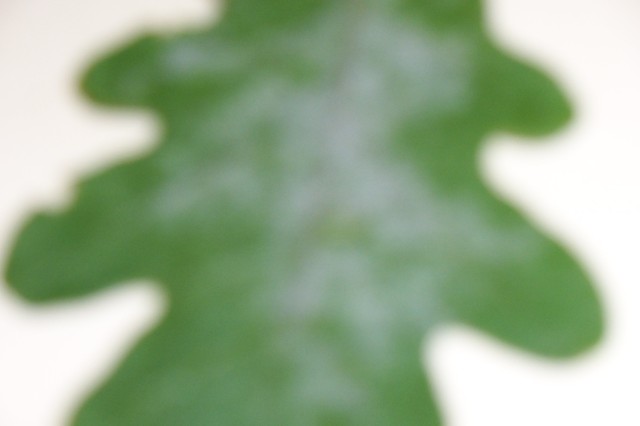
White Spots on Oak Leaves: Likely Powdery Mildew
Cosmetic Fungus on Wisconsin Oaks The white patches starting at the leaf center and spreading outward—and the whitish spots on other trees—are classic powdery mildew. It’s a superficial fungus that rarely harms healthy,
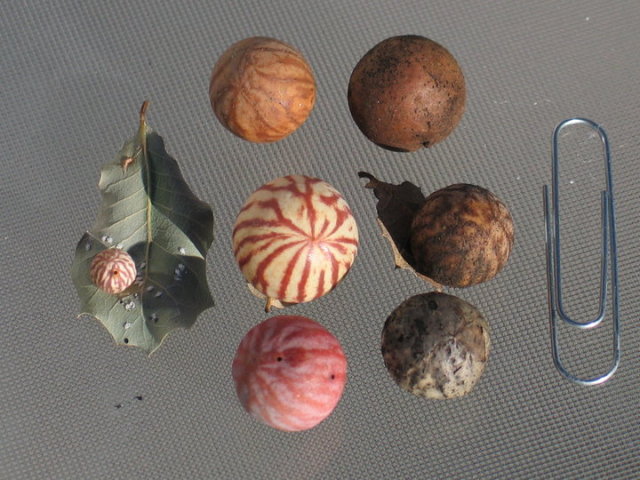
Oak Galls in Arizona: Tiny Wasps, Harmless Growths
What Those Round Balls Are The galls on your Sedona oak are Cynipid wasp galls (also called oak marble galls). A minute wasp lays an egg; the tree forms a protective chamber around it. The larva develops inside and emerg
Maple Sunscald and Limb Loss: Causes and Preventive Care
Natural Shedding vs. Sunscald Injury Lower limb loss on a 20-30 year old maple is normal—shaded branches self-prune. The vertical, dark, moist crack from ground to 8 feet is sunscald: winter freeze-thaw cycles on the sou
Saving a Borer-Infested Mulberry: Systemic and Trunk Spray Options
Two Effective Approaches With one-third of the canopy already leafless, your mulberry needs immediate action. Option 1: Soil-Applied Systemic Bayer Advanced Tree & Shrub Insect Control (imidacloprid) drenched around the
Bark Lice on Florida Oaks: Harmless Webbing Insects
That “Cobweb” Blanket Is Bark Lice Silk The silky sheet covering your oak trunk is spun by bark lice (also called psocids)—tiny brown insects that graze on fungi, lichens, and dead insects on the bark. They are beneficia
Yellowing Peach Tree: Investigate Trunk Damage and Soil Nutrition
Two Prime Suspects A 2-year-old peach with all-yellow leaves and no growth may have: Trunk injury: Inspect the bark from ground level up 12 inches for wounds, holes, or loose bark (borers, mower hits, winter crack). Nut
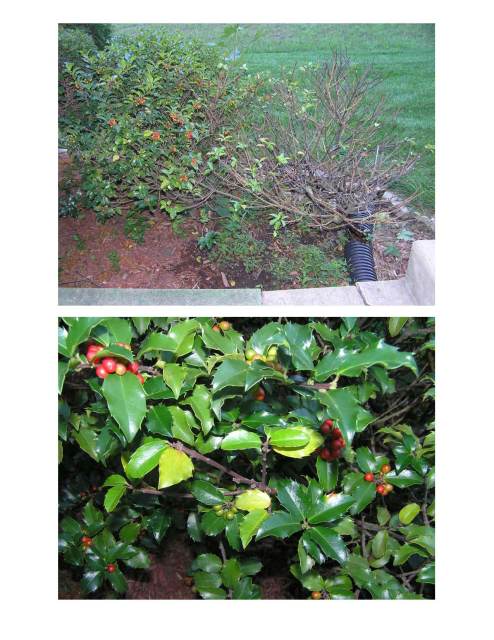
Holly Bush Decline Linked to Poor Drainage and Excess Water
One Bush Dying, the Other Yellowing The photo shows wet soil and a visible drainage pipe near the dead male holly. The most likely cause is waterlogging from the drain—the roots are suffocating in saturated, anaerobic so
Lilac Dieback and a Harmless Cocoon: Separate Issues
The Cocoon Is Likely Just a Shelter The brown, hollow “cocoon” on your lilac is probably a harmless insect using the twigs for support—not the cause of the wilting leaves and dying limbs. Focus on the Real Problem Check
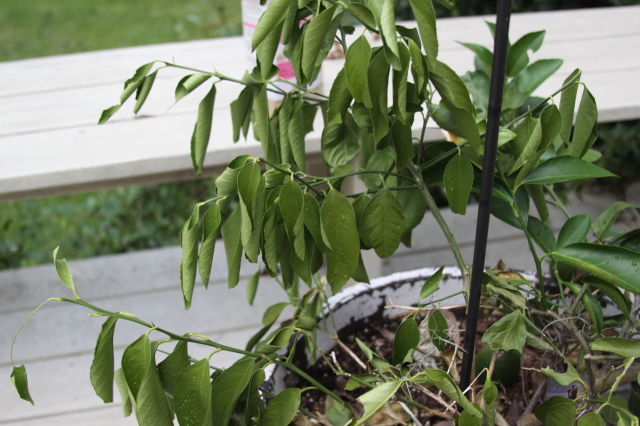
Container Meyer Lemon Decline: Drainage and Overwatering Fixes
Half the Tree Failing? Check the Pot. A Meyer lemon in a container with one-sided decline is often suffering from poor drainage and chronic overwatering. Roots rot in the saturated bottom zone while the top dries out, co
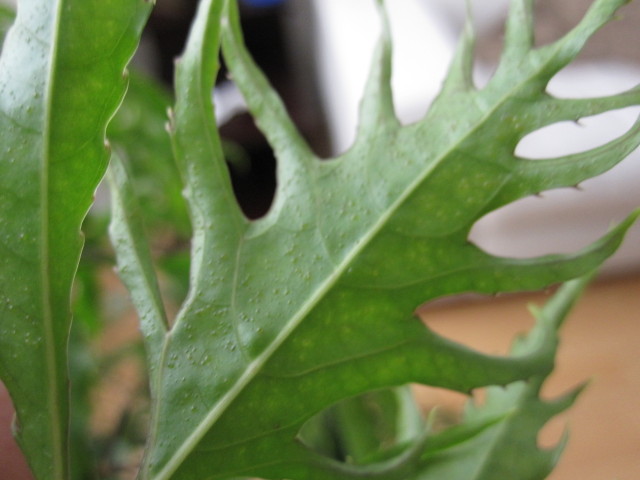
Edema on Ming Aralia: Watering Practices to Prevent Bumps
Those Bumps Are Not Pests The raised, wart-like bumps on the undersides of your Ming aralia leaves are edema (oedema)—a physiological response to fluctuating water pressure inside the leaf cells, often triggered by overw
Copyright © www.100flowers.win Botanic Garden All Rights Reserved