
Scale on Golden Euonymus: Treat or Replace?
Assessing the Infestation Scale insects are the most damaging pest on golden euonymus. If the shrub is encrusted from top to bottom, eradication can take years and the plant may never fully recover its shape. When to Rep

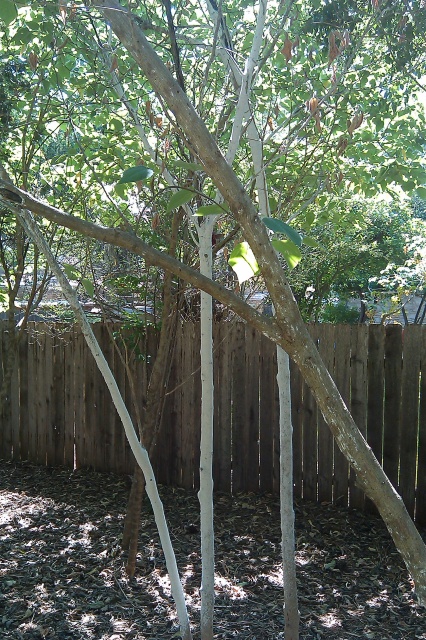
White Powder on Mulberry: Bark Lice or Powdery Mildew?
Two Very Different Culprits A white coating on mulberry trunks and branches is often bark lice—tiny, harmless insects that spin silken webs for protection while they graze on fungi, lichens, and dead insects. They don’t
Why Oranges Split and Fall: Water Stress Management
The Splitting Mechanism Fruit splitting in citrus is a physiological disorder driven by rapid fluctuations in water status. Hot, windy weather dehydrates the tree, which pulls water from the fruit, softening the rind. A
Black Threads in Spalted Elm: Fungal Mycelia, Not a Hazard
What Those Jet-Black Strands Are The thin, thread-like black filaments growing from your spalted elm blanks are fungal mycelia (often called mycorrhizae in this context). They appear when the wood’s moisture content is h
Globe Willow Frothy Flux: Oozing, Blackened Bark, and Wasps
What Is Frothy Flux? Your 3-year-old globe willow’s white foam, blackening trunk, and wasp visitors are classic signs of frothy flux—a fermentation of cambial tissue by yeast or other saprophytic organisms that enter thr
Splitting Bark on Dwarf Orange Tree: Internal Decay Warning
What Bark Splitting Really Means When a dwarf orange tree’s canopy dies back and the trunk and major branches start splitting in large plates, the tree is likely suffering from internal decay caused by bacterial or funga
Eliminating Fungus Gnats on Meyer Lemon Without Pesticides
Where Fungus Gnats Come From Those tiny, clumsy black flies hovering around your Meyer lemon almost certainly hitched a ride in the potting soil. Fungus gnats thrive in damp, humus-rich mixes. Prevention Is Key Don’t ov
Brown Leaves on Spider Plants: Fixing Root Stress
Why Your Spider Plant’s Leaves Are Browning Down the Middle When healthy-looking spider plant leaves turn brown along the midrib, the culprit is usually root-zone stress. The soil should stay evenly moist—never bone-dry
Privet Hedge Dieback: Causes and Recovery Steps
Why Mature Privet Hedges Are Dying Back When established privet hedges—7 to 8 feet tall—start showing dieback, and younger plants nearby follow suit, a disease organism attacking the twigs is a leading suspect. Environme
Why Maple Tree Bark Turns Black: Fungal Infestation Explained
Black Bark on Maples: A Sign of Fungal Activity If the bark of your maple trees has turned a uniform, flat black—resembling a coat of matte paint—you’re likely looking at a fungal infestation. Many wood-decay fungi speci
Green Ash Heart Rot: Storm Reveals Internal Decay
Central Minnesota: green ash broke in half in thunderstorm. Externally healthy. Interior: light brown, balsa-like, spongy, sawdust-like, with bore holes. No insects recovered. Expert Diagnosis Heart rot decay fungi. Com
Honey Locust Transplant Failure in Heat: Emergency Recovery Protocol
Two honey locusts planted 3 weeks ago in Richmond, VA (heavy clay amended with bagged soil, mulched). 95°F+ days. Nursery said water 2x/week. Trees immediately yellowed, dropping leaves fast. Increased to daily evening w
Bottlebrush Tree Basal Fungal Conk: Fruiting Body Removal Insufficient
Marge: 4-year-old bottlebrush has hard whitish fungal growth at base, growing around/through lower branches. Expert Assessment Steve: hard fungal conk indicates internal disease. Removing conk only removes fruiting body
Fall Webworm Infestation: Cosmetic Management for Neighbor's Neglected Trees
Billie: neighbors trees covered in web sacks (fall webworm). Caterpillars everywhere—house, yard, pool. Neighbor uncooperative. Afraid to go outside. Expert Clarification Steve: fall webworm (sacks at branch ends) vs. t
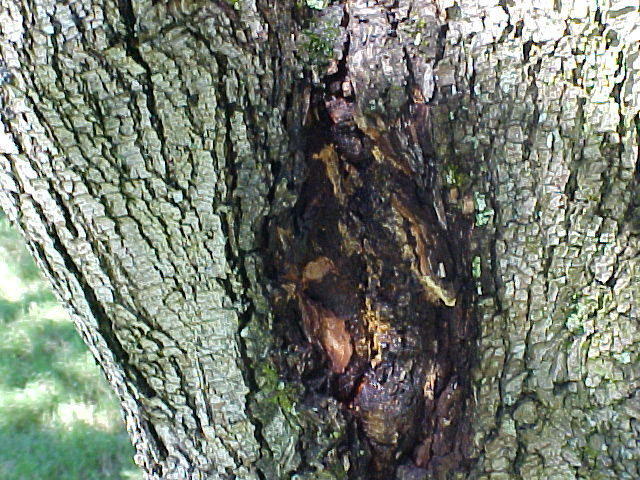
Bradford Pear Internal Decay: Irreversible Structural Decline
Bradford pear: bark easily pulled off, yellow spots under bark, ants feeding, bark shreds rotted, leaves yellowing/sparse. Three to four trees similar. Maple also affected. Bradford pear with bark decay Expert Assessm
Gardenia Sooty Mold from Scale Insects: Systemic Control Strategy
Gardenia leaves coated in black powdery substance (rubs off). Old plant, sprayed for insects. Yellow leaves but mostly green. Black on branches too. Expert Diagnosis Scale insect problem → honeydew → sooty mold (black f
Willow/Poplar Weevil Late Season: Identification First, Treatment Next Spring
Edna in Montana: small black bugs in willow/poplar leaves. Internet suggests weevil. Asks: too late to spray? Will they kill trees? Wait until spring? Expert Advice Steve: too late to spray effectively now. Collect spec
Weeping Willow Unknown Insects: Photo Request for Identification
Ken: tiny black bugs on weeping willow (purple when killed). Asks ID and hummingbird-safe treatment. Expert Response Steve needs to know if bugs harm tree or just nuisance. Requests close-up photo (review for focus). Al
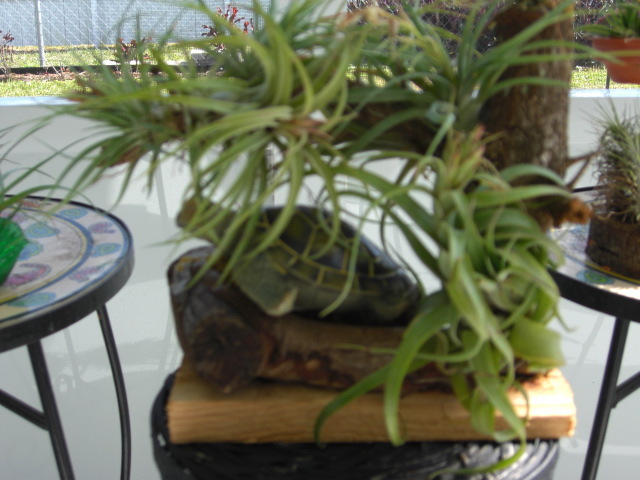
Air Plant Mealybug Infestation: Cost-Effective Organic Control
Vicki: many air plants infested with tiny soft white pests. Insecticidal soap works temporarily but bugs return in days. Asks about dish soap alternative due to cost. Air plant with mealybug infestation Expert Identif
Maple Cottony Scale Infestation: Large Tree Management Strategy
Three old maples (two regular, one red) on block covered in small white cotton-like spots on leaves. Red maple looks snow-covered. Top leaves eaten (midrib only). No visible insects. Expert Identification Cottony maple
Copyright © www.100flowers.win Botanic Garden All Rights Reserved