

Diagnosing Holly Leaf Spots and Pruning Guidelines
Yellow Leaves + Dark Spots = Multiple Possible Causes Nutrient imbalances, fungal leaf spots, or physiological disorders can all cause yellowing with dark spots on holly. A close-up photo of the spots is needed for accur

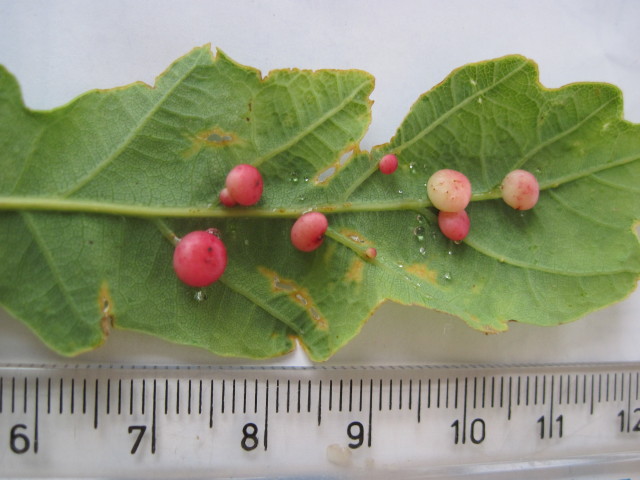
Oak Leaf Galls in Scotland: Harmless Wasp-Induced Growths
Red/Pink Bumps = Gall Wasps The little lumps on your 10-year-old oak leaves in Northeast Scotland are galls caused by tiny gall wasps (Cynipidae). The wasp lays an egg; the leaf forms a protective chamber. No Harm, No Tr
Fungus Gnats in Money Tree: Dry Out Soil and Switch Potting Mix
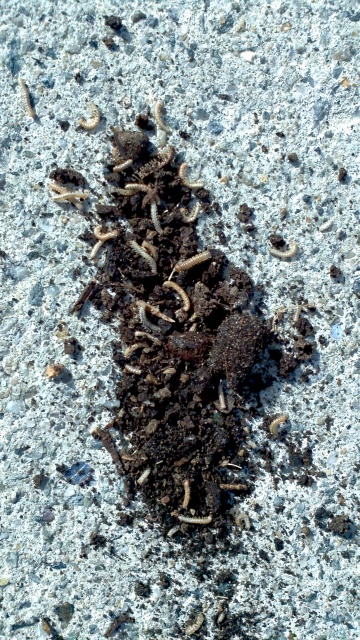
Tiny Black Flies = Fungus Gnats The small flies emerging from your money tree’s soil are fungus gnats. Their larvae feed on organic matter and fine roots in constantly moist soil. Cultural Control Let the top inch of so
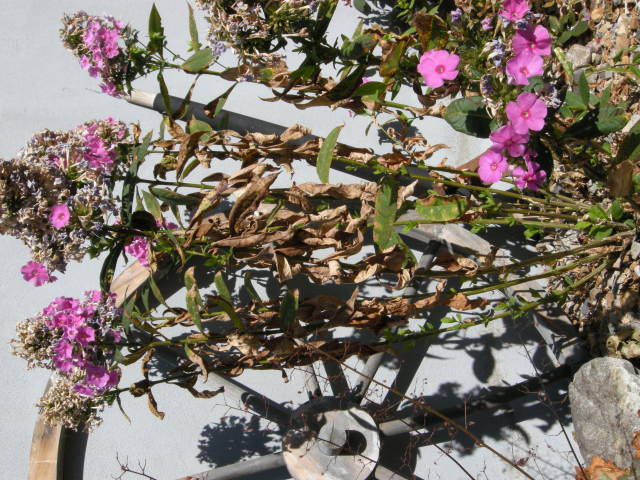
Phlox Powdery Mildew Spreading to Neighboring Plants
White Mildew → Leaf Spots → Death The progression on your ‘Eva Cullum’ phlox—white fuzzy patches, then spots, then browning from the bottom up—is textbook powdery mildew. The weed barrier and rocks may trap humidity. Man
Saving a Dog-Damaged Young Maple: Wound Care and Borer Prevention
75% Bark Loss Is Severe But Not Hopeless A sapling red maple with a 3-foot strip of bark peeled ¾ around the trunk can survive if you act quickly. Immediate Steps Trim loose bark back to clean edges. No wound paint—it t
Iris and Daylily Tip Dieback: Chronic Root Zone Stress
Annual Tip Yellowing = Persistent Soil Issue When iris and daylily leaves yellow from the tip down every year, it’s not heat—it’s a chronic soil moisture or nutrient imbalance in the root zone. Long-Term Solution Soil t
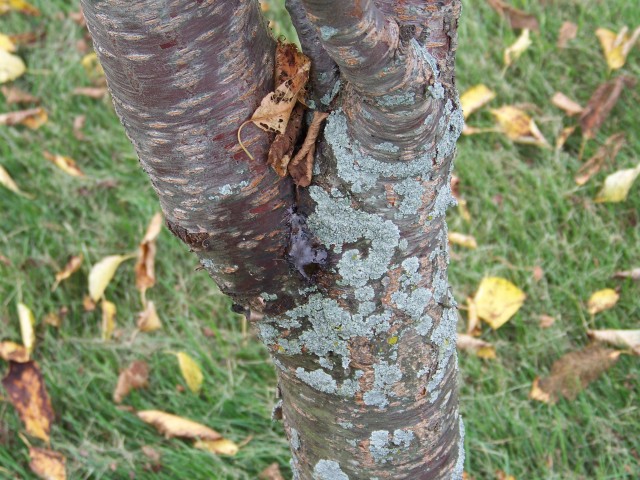
Lichen Is Harmless; Fruit Tree Decline Stems from Water and Soil Issues
Lichen ≠ Problem The gray-green patches on your cherry, apple, and willow are lichens—symbiotic organisms that simply use bark as a substrate. They don’t harm the tree. The Real Issues Apple lost all leaves: Grass growi
Oak Leaf Spot Management: Sanitation, Watering, and Timely Fungicides
Yellowing + Tiny Black Spots = Fungal Leaf Spot Your 3-year-old oak in the Northwest shows classic fungal leaf spot symptoms. The organisms overwinter in fallen leaves and twigs; spring rains splash spores onto new folia
Indian Hawthorn Rust: Juniper Connection and Fungicide Schedule
Mottled Leaves + Rusty Spots = Gymnosporangium Rust Your Indian hawthorn has hawthorn rust, a fungus that alternates between hawthorn and juniper. If there’s a juniper nearby, it’s the alternate host. Management Remove
Leaf Galls on Walnut and Oak: Harmless Insect Architecture
Small Green Bumps = Insect Galls The ¼-inch round green growths on your walnut and oak leaves are insect galls—likely caused by phylloxera or similar tiny insects. The insect manipulates the leaf to form a protective nur
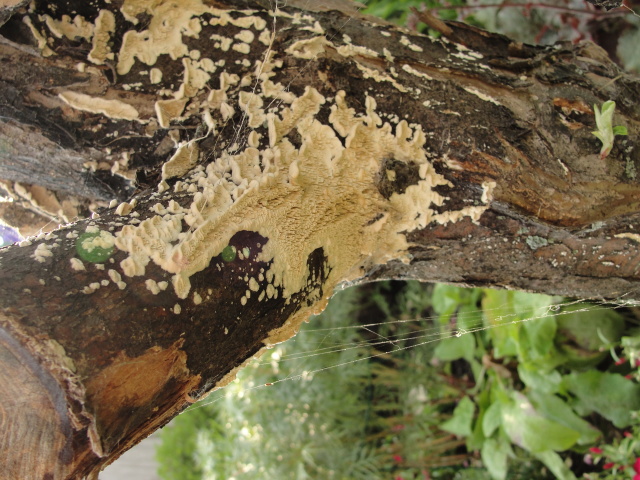
Decay Fungus on Apple Trunk Wound: Cosmetic, Not Fatal
Conks on Dead Wood Only The fungal growth under the pruning cut on your Goodland apple is a decay fungus fruiting body (likely Crust and Parchment group). It decomposes only dead wood—the living cambium just under the ba
Golden Euonymus Establishment: Root Prep and Watering Trump Fertilizer
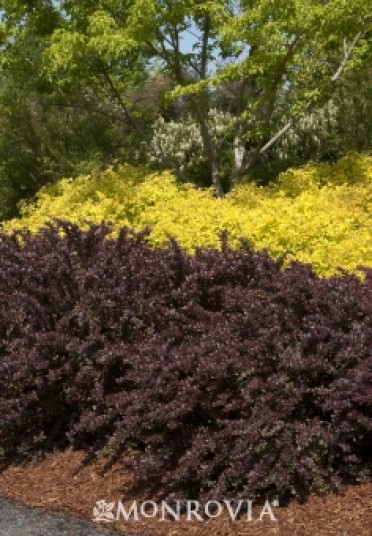
Why Your New Shrubs Stalled Three to four months with no growth after planting usually means root-bound balls or air pockets in the backfill—not lack of fertilizer. Correct Planting Technique Loosen the root ball aggres
Peach Fruit Mold: Fungicide or Organic Health Boost
Moldy Peaches = Fungal Infection Mold on the fruit with gumming (sap) indicates a fungal pathogen (likely brown rot or similar). The leaves look fine because the fungus targets fruit. Options for Next Year Conventional
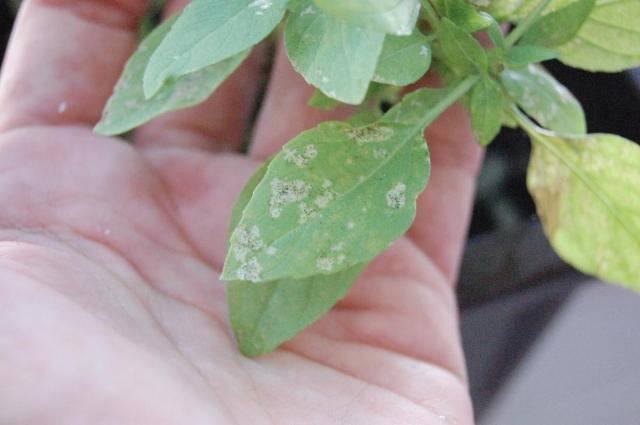
Leaf Miner Infestation Spreading Across Balcony Herbs and Vegetables
Serpentine Trails = Leaf Miners The damage starting on basil and moving to tomato and pepper on your Croatian balcony is classic leaf miner activity—larvae feeding between the upper and lower leaf epidermis. Confirm and
Ground-Level Tactics for High Webworms in Pecan and Sycamore
Too Tall to Spray? Intercept the Caterpillars When webworms are 20-60 feet up, foliar sprays are impossible. Instead, target the caterpillars as they descend the trunk to pupate. Two Effective Methods Tanglefoot bands:
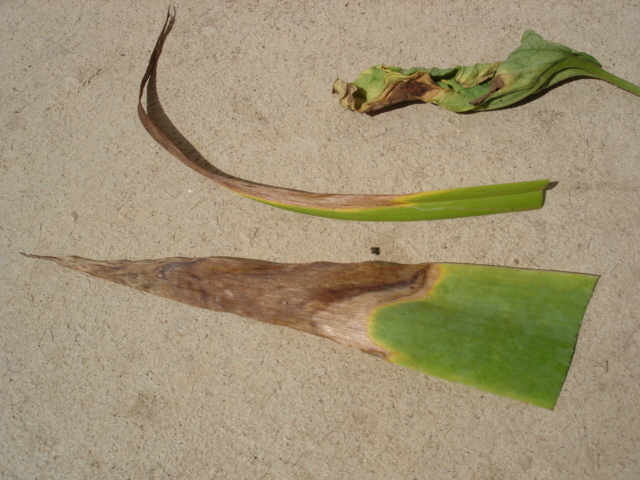
Root Zone Issues Cause Tip Burn on Iris and Daylilies
Progressive Tip Browning = Soil/Water Stress When iris and daylily leaves yellow from the tip downward year after year, the cause is almost always an unfavorable root environment—too wet, too dry, or nutrient-imbalanced.
Systemic Soil Drench for Magnolia Scale: Bayer Advanced
No Ladder Needed For a tall magnolia completely encrusted with scale, Bayer Advanced Tree & Shrub Insect Control applied as a soil drench moves systemically to the canopy, killing scale as they feed. Key Points Availabl
Pumpkin Decline: Wet Leaves, Stem Cracking, and Cucumber Spread
Overhead Watering Triggered Disease Sprinkler irrigation wet the foliage daily, creating perfect conditions for foliar diseases (powdery mildew, anthracnose, etc.) that spread to the cucumbers. Rescue Plan for This Year
Fall Webworm on Oak: Limited Control, Tree Will Recover
Webs Protect Caterpillars From Sprays Fall webworms on your oak are likely in the tents at branch tips. Trunk sprays (Orthene) rarely reach them. The webs are a physical barrier. Best Approach Don’t spray—healthy oaks r
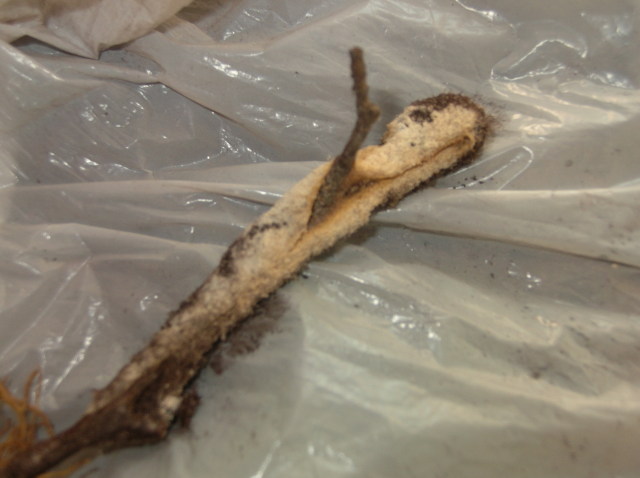
Slime Mold and Trunk Decay on Mature Maple: Separate Issues
Crusty Beige Fungus = Harmless Slime Mold The light beige, powdery-topped, sooty-underneath growth at the base of your 40-50 year old maple is a slime mold (likely Fuligo). It feeds on bacteria and organic matter in the
Copyright © www.100flowers.win Botanic Garden All Rights Reserved