
Fungus on Indoor Hibiscus Flowers: Prevention in Sunroom
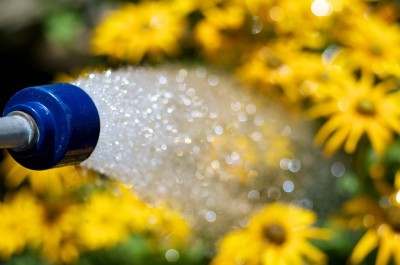
Hibiscus brought indoors for winter often develop flower fungus (botrytis) due to high humidity, reduced light, and poor air circulation in crowded sunrooms. Prevention Space plants for air flow; use fans. Water at soi

Yellow Spots on Corn Plant (Dracaena): Need Photo and Details
Round yellowish spots on one of two corn plants moved from direct light could be from overwatering, root binding, chemical exposure, or light change. The other plants health suggests a localized issue. Information Neede
Yellow Leaves on Nellie Stevens Holly: Soil Test First
Uniform yellowing on an established holly usually signals a root/soil issue—nutrient imbalance (often nitrogen or iron), poor drainage, or pH problem—not a disease. Action Contact county extension for a free/low-cost s
Green Fungus Killing Sweetgum Trees: Likely Lichen or Algae, Not Fatal
Mint-green coating on sweetgum trunks and branches that spreads tree-to-tree is likely lichen or algae—not a killer fungus. These grow on bark of stressed or slow-growing trees but dont cause death. Sweetgum decline is m
Asparagus Fern Tubers Under Jacaranda: Not Tree Rot
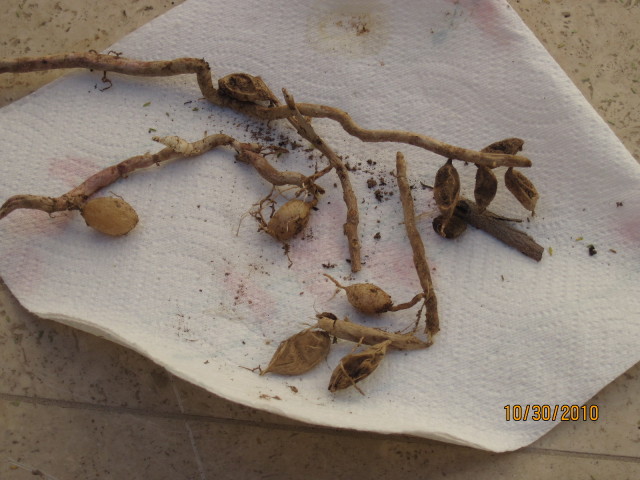
Bulb-like, fluid-filled structures near a jacaranda are almost certainly asparagus fern root tubers—storage organs, not a tree disease. Asparagus fern can be invasive and is toxic to dogs. Removal Dig out as much root/
Euonymus Scale: Identify, Then Decide Treat or Replace
White specs on euonymus leaves and branches that scrape off with a fingernail are euonymus scale—a serious pest. Heavy infestations can kill the shrub. Decision Guide Light infestation: Prune heavily infested branches;
Transplant Stress in Large Oaks and Elms: Watering Strategy
Large container trees (65-gal) often struggle after transplant, especially in fall heat. Daily watering on clay soil can drown roots. Better approach: Flood the planting hole at install to eliminate air pockets. Then d
White/Gray Leaves on Japanese Red Maple: Need Photo
White or gray discoloration on a newly planted Japanese red maple could be powdery mildew, sunscald, nutrient deficiency, or chemical injury. A clear, close-up photo of affected leaves—plus planting date, pattern (one si
Blackened Young Leaves on Wrightia Religiosa: Environmental Injury
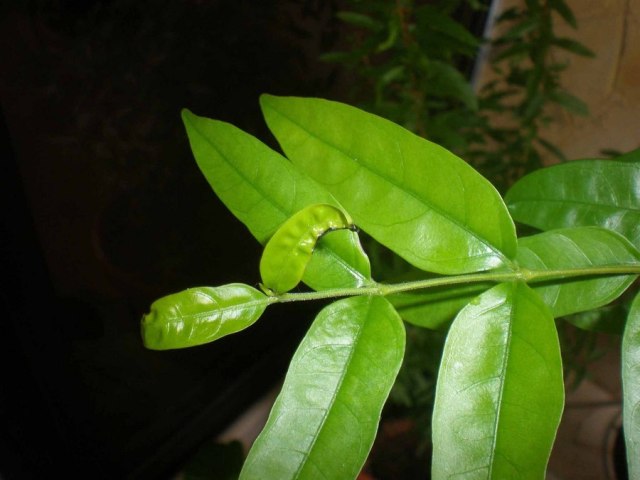
Young leaves turning black at the edges—not from insects or disease—likely suffered physical injury during emergence. Midday misting can act as a lens, focusing sunlight and scorching tender tissue. Remedy Move to filt
Repulsive Smell from Meyer Lemon Pots: Root Rot from Standing Water
A foul odor when watering, plus yellowing leaves and weak flowers, indicates the pots sit in drainage water. After 15 minutes, excess water must be discarded—otherwise roots suffocate and rot, producing anaerobic smell.
Black Trunk on Quaking Aspen: Need Photos for Diagnosis
A mature aspen with a blackened trunk from ground up—but no similar symptoms on nearby trees—could be sooty canker, Cytospora canker, or fire damage. The trees overall vigor (leaf retention, branch dieback) matters. Wha
Black Patches on Orchid Leaves: Sunburn, Bacteria, or Fungus?
Black areas on orchid leaves have three main causes: Sunburn: Irregular blotches after intense afternoon sun. Increase shading. Bacterial/fungal disease: Spots enlarge over time. Cut out diseased tissue with sterile to
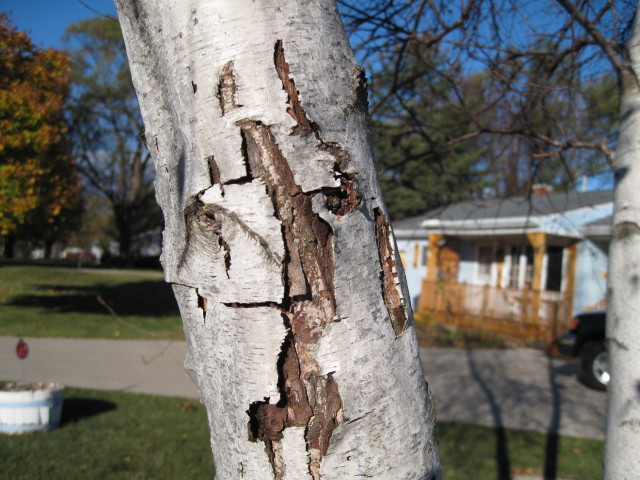
Bark Separation on Whitespire Birch: Internal Decay, Not Just Borers
Bark peeling away from the trunk on a 16-year-old Whitespire birch suggests internal decay from fungal/bacterial organisms entering through old wounds (storm damage, mower injury, ice cracks). Bronze birch borer may expl
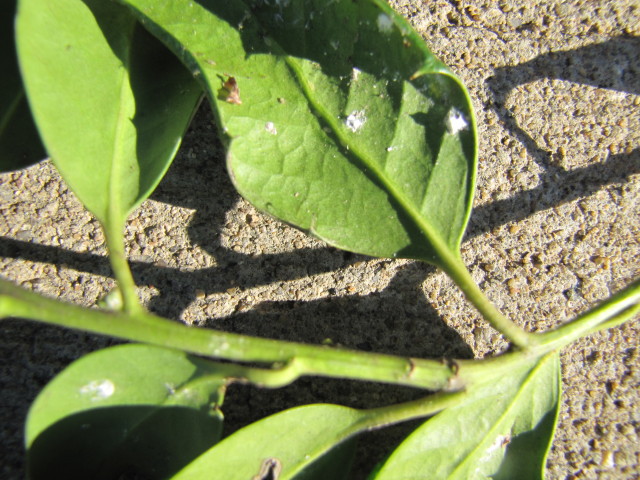
White Spots on Holly: Scale, Aphids, or Mealybugs?
White spots only on leaf undersides could be scale, aphids, or mealybugs. Correct ID is essential before treatment. Options Horticultural oil (dormant or summer weight) works on all three if timed to crawler stage. Avo
Bubbly Citrus Leaves: Insect Pests, Not Disease
Bubbly, distorted leaves on lemon and orange trees are classic signs of citrus leafminer or aphid feeding—not a disease. The insects hide on leaf undersides, causing the leaf to curl and bubble as they mine or suck sap.
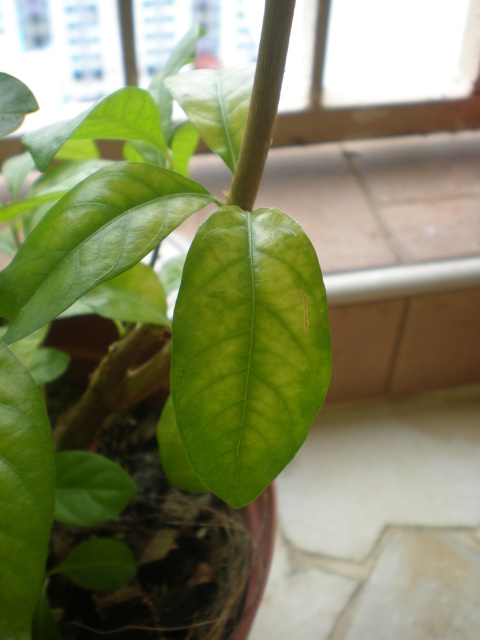
Yellowing Gardenia Leaves: Root Check and Fertilizer Fix
Yellowing lower leaves on a gardenia in the same pot for a year often signals root-bound conditions or nutrient deficiency—not necessarily chlorosis from high pH. Steps Check roots. Slide plant out of pot. If roots cir
Rotten Pecans: Weather, Scab, and Alternate Bearing
Pecans that are watery, shriveled, or rotten often reflect weather during the previous growing season—drought during nut fill or excess rain at harvest. Pecan scab (fungal spots on leaves and shucks) is the main disease,
Silk Strands from Oak and Maple: Caterpillar Dispersal, Not Harmful
Fine silk strands spanning from trees to ground in early morning are typically spun by caterpillars (e.g., fall cankerworm, gypsy moth) descending to pupate in soil. Spiders also balloon on silk, but their strands dont u
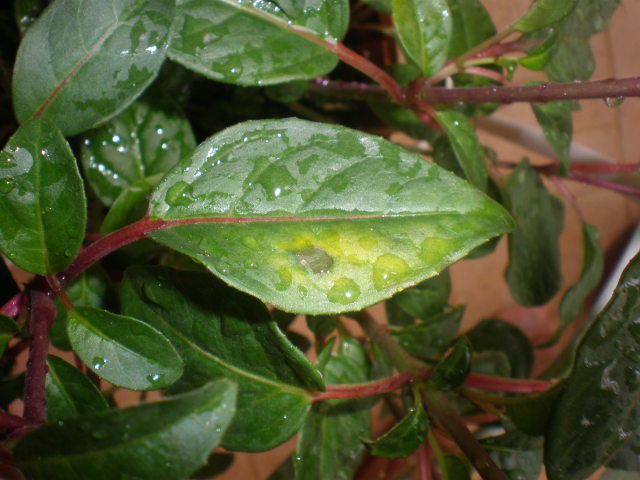
Fuchsia Leaf Spots: Bacterial vs. Fungal—Water Management Is Key
Fuchsia leaves with yellow halos preceding brown spots, worsening despite fungicide, suggest bacterial leaf spot rather than fungal. Wet foliage from misting or overhead watering is the primary driver—bacteria need water
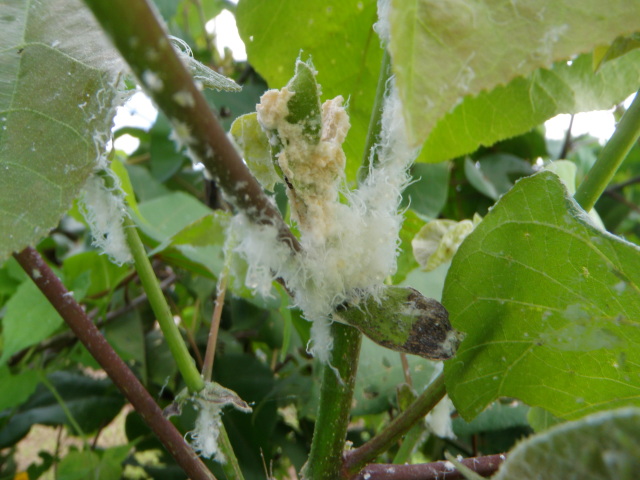
White Fluffy Growth on Tree Leaves: Woolly Aphids or Mealybugs
Cottony white masses on leaf undersides, often with yellowish spots, are typically the waxy secretions of woolly aphids or mealybugs—both sap-feeding insects. In Guams perpetual summer, they can persist year-round. Iden
Copyright © www.100flowers.win Botanic Garden All Rights Reserved