
Crown Rot in Moth Orchids from Water Trapping
Water settling in the crown (center) of Phalaenopsis orchids causes crown rot—the newest leaf turns mushy and black. Removing the rotted leaf is correct. The plant can survive if the growing point (meristem) is undamaged

Sour Rootstock Sprouts on Citrus: What to Keep, What to Remove
After winter freeze kills the grafted variety, sprouts emerging above the graft union are the desired citrus and will come true. Sprouts from below the graft are rootstock (usually sour orange) and should be removed. Ac
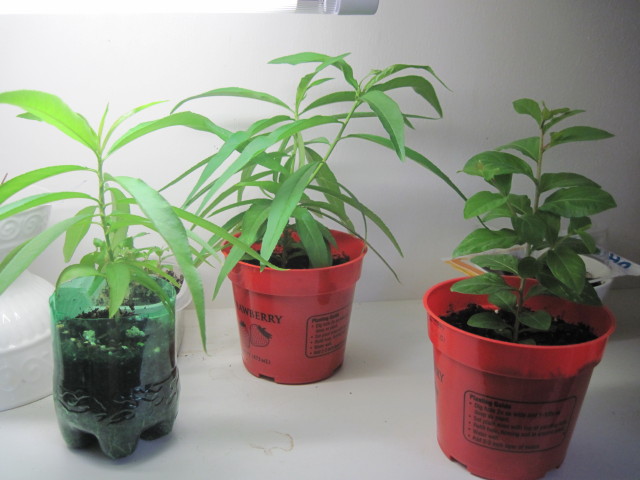
Seedling Crepe Myrtle and Nectarine: Aphids, Grafting, and Nematodes
Sticky spots on crepe myrtle seedling: These are aphid honeydew, not spider mites. Your neem oil spray will control them. Crepe myrtles are susceptible to aphids, especially on tender new growth. Nectarine from seed: Ne
Scale and Sooty Mold on Peace Lily: Natural Treatment
Tan bumps on peace lily leaves and stems that scrape off with a fingernail are likely scale insects. The fine black dust is sooty mold growing on their honeydew. Natural Control Physical removal: Scrape off scales with
Limp Branches on Cleveland Pear: Possible Causes
One-third of branches limp on an 8-year-old Cleveland pear, with normal leaves and trunk elsewhere, suggests a localized issue rather than systemic disease. Consider: Drought stress: Was summer exceptionally dry? Deep
Pomegranate and Quince Care: Fertilizer and Fruit Storage Issues
Pomegranate: Use a slow-release fertilizer low in salts and chlorine. For fruiting, choose a formula where the third number (potassium) is highest—e.g., 5-10-15. Apply in early spring. Quince brown rot in storage: The b
Black Trunk Coating on Mulberry Trees: Sooty Mold
A black, non-slimy, non-powdery coating advancing slowly on mulberry trunks and branches—while leaves remain large and green—is classic sooty mold. This fungus grows on honeydew, the sugary excrement of sap-feeding insec
Spider Mites on Indoor Lilac: Identification and Control
Fine cobwebbing on leaves and stems of an indoor lilac, accompanied by leaf withering, strongly suggests spider mites. These tiny arachnids (about pinhead-sized, orange-red) thrive in dry indoor air and can kill plants i
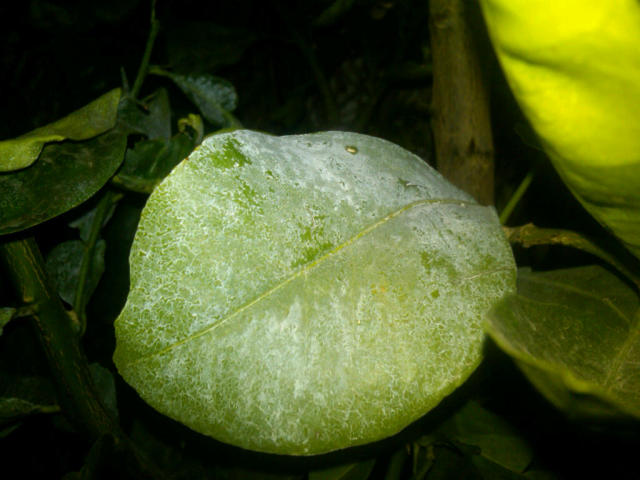
White Fuzzy Coating on Sour Orange Leaves: Powdery Mildew or Salt?
A white, fuzzy coating on sour orange leaves that appears in cooler weather could be powdery mildew—or it could be salt exudate from saline soil, common in Arizona. Powdery mildew typically forms discrete fuzzy patches,
Top Dieback on 'Fat Albert' Colorado Blue Spruce
When the leader and upper new growth of a Colorado blue spruce (Fat Albert) turns brown, wrinkles, and progresses downward, the cause can be insect borers, fungal canker, or environmental stress. Without a lab exam, defi
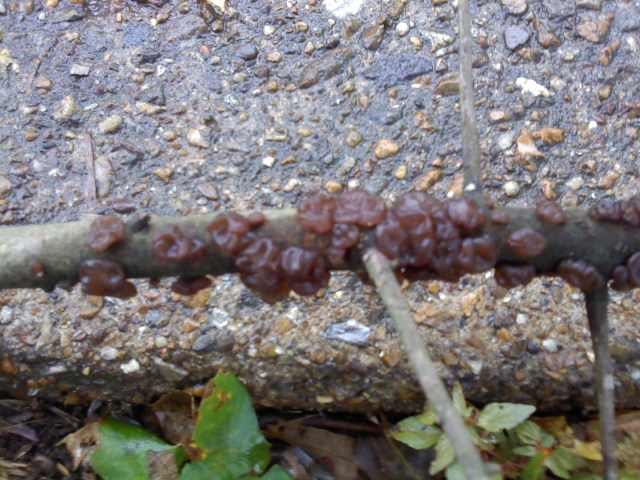
Reddish Growth on Storm-Damaged Oak Branches: What Is It?
After a storm breaks oak branches, you may notice a reddish-brown, gummy, elongated growth on the dead wood. This is most likely a wood-decay fungus—a type of mushroom—that colonizes dead or dying branches. It is general
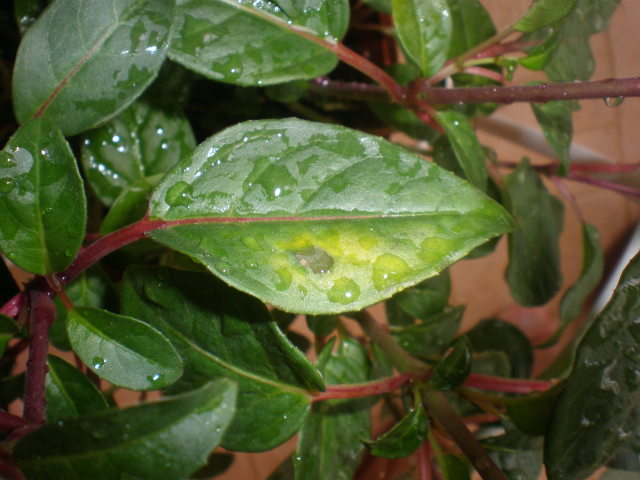
Treating Fungal Leaf Spots on Fuchsia
Fuchsias are beloved for their dangling, bicolor blooms, but their foliage is prone to fungal leaf spots—especially in cool, humid weather. Greyish patches that spread despite pruning and fungicide use typically indicate
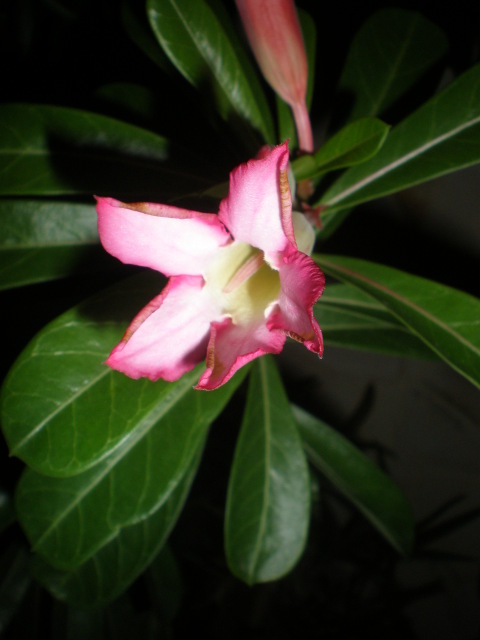
Why Desert Rose Flowers Become Distorted and How to Fix It
Desert rose (Adenium obesum) is a stunning succulent prized for its swollen caudex and vibrant blooms. But sometimes the flowers emerge misshapen—petals curled, edges browning—even when no insects are visible. If your de
Aloe Vera Bacterial Infection: Internal Pods and Odor Require Surgical Intervention
Randys 5-year-old indoor aloe (Toronto) developed grey oval pods (1/4-1/3 inch, paired near leaf base) inside leaves, with acrid gel odor. He uses bottom leaves for shaving gel but stopped after discovering pods. Expert
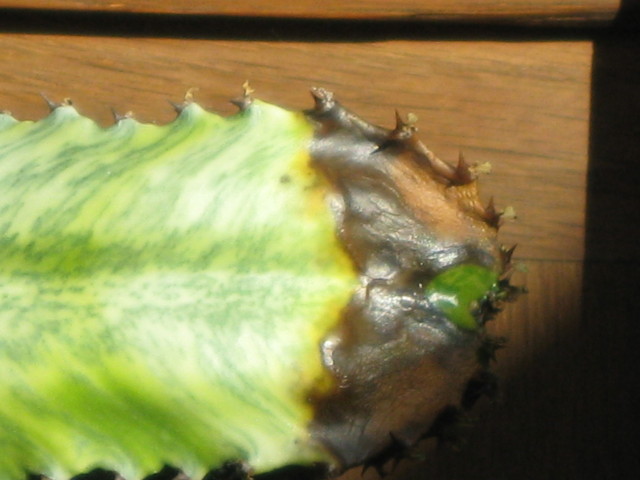
Ornamental Cactus Crown Rot: Surgical Removal and Cultural Correction
Jims 3-foot ornamental cactus (4-ribbed, brindle-patterned) in volcanic gravel media, watered biweekly summer/rarely winter, south window (6 hrs direct sun), low humidity Colorado, developed sudden black soft rot at apex
Yaupon Holly Sudden Trunk Failure: Multitrunk Decline Mystery
Bonnies 19-year-old yaupon with three 4-inch trunks suddenly lost one trunk (brown, broke at ground in mild rain). No insects visible. Remaining trunks less vigorous than neighboring yaupons. Fungus-like growth on branch
Japanese Maple Red Bug Infestation: Identification Request for Bark-Feeding Pest
Marlene reported small red bugs eating bark on her Japanese maple, causing tree decline. She sought identification and treatment. Expert Response Steve acknowledged insect identification as a limitation but offered his
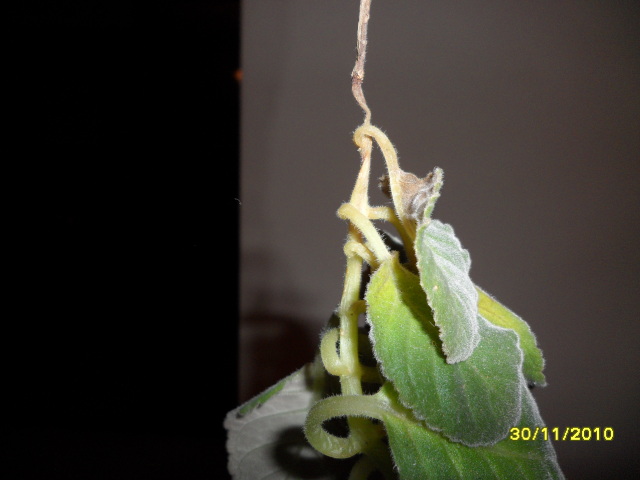
Gloxinia First Bloom Cycle: Rest Period Induction and Snail Damage Check
Alfredos seed-grown gloxinia, blooming for the first time, showed lower stem browning, thinning, and apparent rot, causing top-heavy imbalance. Gloxinia showing stem deterioration Primary Diagnosis: Post-Bloom Dormanc
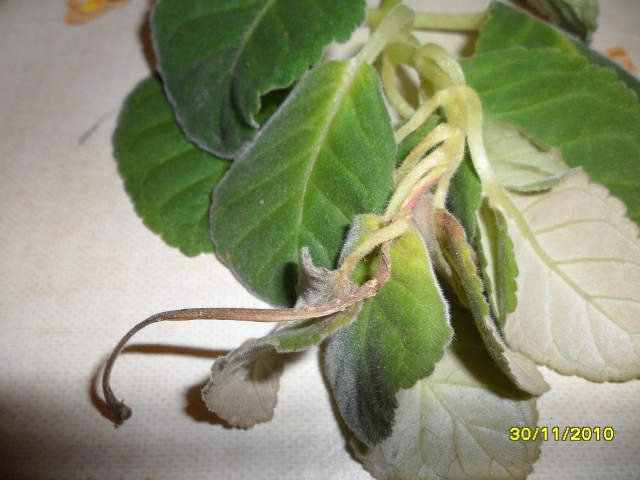
Gloxinia Rest Period Confirmation: Post-Bloom Dormancy Management
Alfredo submitted a second photo of his affected gloxinia for reference after receiving initial advice. Gloxinia additional reference image Expert Confirmation Melissa confirmed the previous advice: remove all gray/dy
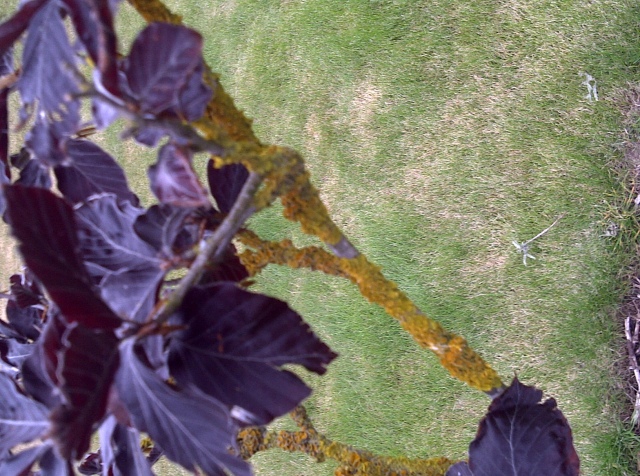
Copper Beech Beech Bark Disease: Fungal-Scale Complex in Mediterranean Climate
Michael in Chile (Mediterranean climate, high humidity from irrigation) reported unusual growth on a copper beech tree. Copper beech showing suspicious growth Expert Diagnosis Melissa identified likely beech bark dise
Copyright © www.100flowers.win Botanic Garden All Rights Reserved