

Crape Myrtle Scale and Aphid Infestation: Black Sooty Mold and Treatment
Crape Myrtle Turning Black? Scale and Aphids Excreting Honeydew Ladybug-sized bumps on leaves and stems (scale) plus white bugs (aphids) produce honeydew that fuels black sooty mold, turning the whole plant black. Contro

White Powdery Substance on Plant Leaves: Scale Insects, Not Fungus
Grainy White Powder Between Leaves? Its Likely Scale Insects A white, cottony or powdery substance deep in leaf axils on a broad-leaved plant with purple flower balls is characteristic of scale insects (e.g., mealybugs,
Fruitless Mulberry Leaf Spot: Late-Season Fungus Management
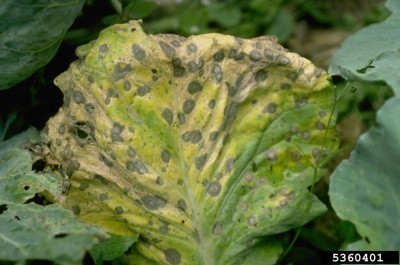
Yellow Leaves with Black Spots on Mulberry in Fall? Likely Leaf Spot Fungus Leaf spot fungi (e.g., Cercospora, Phyllosticta) cause yellowing and black spots on mulberry in late summer/fall. Since the tree is preparing fo
Herbicide Damage to Ferns from Pine Stump Removal
Ferns Dying After Pine Stump Cutting? Herbicide Contamination Likely If ferns died only on the side where a pine stump was cut and sawdust spread, the culprit is almost certainly herbicide (e.g., triclopyr, glyphosate) a
Hackberry Trees Dripping Honeydew: Aphid Infestation and Pool Chemical Damage
Sticky Deck and Yellowing Hackberries? Aphids + Pool Water = Double Trouble Hackberries secreting sticky honeydew with yellowing, blackening leaves are infested with aphids. Pool drainage chemicals (chlorine, algaecides)
Pomegranate Care: Fertilizing, Watering, and Fruit Set
Growing Pomegranates: From Bloom to Harvest Pomegranates thrive in semi-arid climates with cool winters and hot summers. They are self-pollinating but benefit from cross-pollination. Fruit drop in young trees is normal;
Tiny Yellow Bugs on Houseplants: Aphid Infestation Control
Houseplants Covered in Tiny Yellow Bugs? Theyre Aphids Aphids are small, soft-bodied insects that cluster on new growth and leaf undersides. They reproduce rapidly, excrete sticky honeydew, and cause leaf curling, yellow
Citrus Tree with White Fungus, Ants, and Spider Webs: Aphids, Scale, and Powdery Mildew
Diagnosing a Citrus Tree with Multiple Issues A lemon/lime tree with white fungal coating on fruit, black ants, spider webs, and deformed fruit likely has three problems: aphids or scale (honeydew → sooty mold + ants), p
Schefflera Dropping Leaves? Check Watering and Root Health
Why Is My Schefflera Losing Leaves Daily? Schefflera (umbrella tree) leaf drop is 90% of the time a watering issue—either overwatering (root rot) or underwatering (hydrophobic root ball). Dark brown leaves suggest rot; c
Fall Webworms in Walnut: Identification and Control
Large Silken Webs on Walnut Branches? Its Fall Webworms Fall webworms (Hyphantria cunea) build large, conspicuous webs at branch tips in late summer, enclosing leaves they feed on. They prefer walnut, pecan, hickory, and
Oak Trees Suddenly Dying in Woodland: Possible Causes
Investigating Sudden Oak Decline in a Young Woodland Twenty-year-old oaks in South West Wales showing brown leaves, dead branches, and basal trunk damage on one tree—but not others—suggest a localized issue rather than a
Basil Black Tips and Stem Rot: Downy Mildew or Environmental Stress?
Troubleshooting Basil in a Market Garden Black leaf tips, stunted growth, and stem rot with white mold suggest downy mildew (Peronospora belbahrii) or a combination of poor air circulation, humidity, and temperature inve
Lemon Tree Stops Fruiting: Frost Damage, Rootstock Suckers, or Gummosis?
Why Did My Mature Lemon Bush Stop Producing Fruit? A 10-year-old lemon in Southern California that suddenly fails to hold fruit may be suffering from frost damage, rootstock takeover, or gummosis (a fungal canker). Healt
Reviving a Declining Mature Willow: Pruning and Root Zone Recovery
Can a 50% Dead Willow Be Saved? Willows love water. If a nearby stream was deepened, the water table dropped, and the trees roots could no longer access it. This, combined with root damage from past trenching, caused slo
Garden Fungus Problems: Powdery Mildew, Black Spot, and Mushrooms in Mulch
Managing Multiple Fungal Issues in a Shade Garden A semi-shade garden with lilacs (powdery mildew), roses (black spot), impatiens (leaf spot), and mushrooms in mulch is dealing with several unrelated fungi. Each requires
Saving an Overwatered Ming Aralia: Recovery Steps and Common Mistakes
Ming Aralia Collapse After Overwatering: Can It Recover? Ming aralia (Polyscias fruticosa) is sensitive to wet feet. Overwatering leads to root rot, causing sudden drooping, leaf loss, and stem dieback. Well-intentioned
Root Rot in Garden Beds: Diagnosing and Treating Soil-Borne Fungal Disease
Plants Collapsing with White Fuzzy Roots? Its Root Rot When multiple plants in the same area wilt, develop white fungal growth at the base, and smell musty, a soil-borne root rot pathogen (e.g., Pythium, Phytophthora, Rh
Bacterial Wetwood (Slime Flux) in Mulberry: What You Need to Know
Foul-Smelling, Wet Soil at Tree Base? Likely Bacterial Wetwood Bacterial wetwood (slime flux) is a common condition in mulberry, elm, maple, and other shade trees. Bacteria ferment in the heartwood, producing gas pressur
Oak Tree Dripping Sap? It's Honeydew from Aphids or Scale
Sticky Sap on Your Car and Deck? Blame Insects, Not the Tree Clear, sticky droplets falling from an oak tree are usually honeydew excreted by aphids or soft scale insects feeding on leaves and twigs. The tree itself is n
Spider Mites on Crape Myrtle: Sticky Residue, Curling Leaves, and Webbing
Tiny Pests, Big Damage: Spider Mites on Crape Myrtle In hot, dry conditions, spider mites thrive on crape myrtles. Symptoms include stippled or bronzed leaves, fine webbing on stems and leaf undersides, sticky residue (f
Copyright © www.100flowers.win Botanic Garden All Rights Reserved