


Fresh, vine-ripened tomatoes are a summer joy, but diseases, pests, and environmental stresses can derail your harvest. The best defense: start with healthy plants in full sun, keep soil evenly moist, and provide steady nutrients. At planting, add granular tomato fertilizer (e.g., Gardener's Best Organic Tomato Fertilizer). During growth, use water-soluble fertilizer (e.g., Plant Health Care). Even well-cared plants can have problems. Diagnose first—disease, insect, or environment? Here are common issues and solutions.
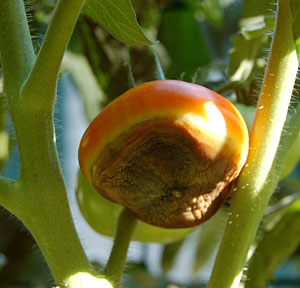
Symptom: Black sunken areas on blossom end of fruit.
Cause: Calcium deficiency, aggravated by drought/uneven watering, root damage, excess nitrogen.
Solution: Keep soil consistently moist; apply thick straw mulch. Use Rot-Stop (all-natural spray). Usually affects only early fruits.
Causes: Night temps >70°F or <50°F; day temps >85°F; drought stress; excess nitrogen; too little sun.
Solution: Most common cause is temperature—problem resolves when weather improves.
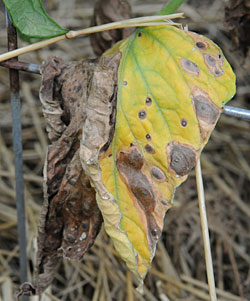
Symptom: Dark, concentric rings on lower leaves and stems.
Solution: Spray Actinovate or Copper Fungicide. Avoid wetting leaves when watering; don't handle wet plants.
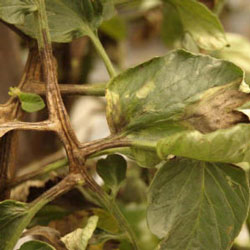
Symptom: Water-soaked patches/lesions on stems, foliage, fruit. Spreads rapidly via wind-dispersed spores.
Solution: Track outbreaks at usablight.org. When detected in your region, spray preventively with Actinovate or Copper Fungicide. Infected plants must be destroyed.
Cause: Uneven watering.
Solution: Use soaker hose (e.g., Snip-n-Drip Soaker System) to moisten entire root zone. Mulch to retain moisture.
Possible aphids: Check leaf undersides and new growth. Blast with strong water jet or apply neem oil.
Possible tobacco mosaic virus: Wash hands thoroughly after smoking/tobacco use before gardening. Remove and discard infected plants (do not compost).
Underwatering: Water deeply; should recover in 24 hrs.
Fusarium wilt: Lower leaves wilt, plants stunted, don't recover after watering. Remove and discard (do not compost).

Tomato hornworm: Large caterpillar with white diagonal stripes and black horn. Handpick (drop in soapy water).
Slugs: Use iron phosphate slug pellets and beneficial nematodes.
Tomato fruitworm: Moth larvae bore into fruit, consume from within. Once inside, only remedy is destroying infected fruit. If severe, start plants under row covers; keep covered until flowering.
Problems vary by soil, climate, and local outbreaks. Consult your cooperative extension for region-specific advice.
Pineapple Plant Fuzz and No Fruit: Mealybugs, Spacing, and Apple Trick
Fire Blight on Pear and Apple: Streptomycin Spray at Bud Break
Tomato Wilting: Root Diseases, Nematodes, and Why Crop Rotation Matters
Tomato Stem Rot in Coastal Climates: Blight and Drainage Solutions
Container Tomato Blossom-End Rot: Fungus vs. Physiological Disorder
Midwest Tomato Crisis: Excess Rain, Wilting, and Mystery Bugs
Troubleshooting Tomato & Pepper Seedling Collapse
Late Blight Resistance and Seed Starting Success
Container Vegetable Yellowing: Worm Compost, Nutrient Balance, and Mite Check
Checking Tomato Root Systems for Problems
Tomato and Zucchini Collapse: Fertilizer Burn Diagnosis
Glyphosate Drift on Tomatoes: Classic Symptoms, Fruit Safe If Plant Recovers
Copyright © www.100flowers.win Botanic Garden All Rights Reserved