

Pink Hibiscus Mealybug: The Hidden Threat to Pruned Hibiscus
Why Heavy Pruning Triggered This Severe pruning (5–6 ft to 2 ft) stimulates massive tender regrowth—exactly what pink hibiscus mealybug (Maconellicoccus hirsutus) prefers. This invasive pest injects toxic saliva causing

Oak Wilt vs. Oak Root Rot: Diagnosis and Long-Term Management
Distinguishing the Two FeatureOak Wilt (Bretziella fagacearum)Oak Root Rot (Armillaria mellea) SpreadRoot grafts, beetlesRoot contact, rhizomorphs Key SignRapid branch dieback, vascular streakingMushrooms at base, white
Herbicide Damage on Peppercorn Trees: Will They Recover?
Understanding 680 Ester Herbicide This synthetic auxin herbicide mimics plant hormones, forcing uncontrolled growth that exhausts the trees energy reserves. Defoliation is rapid, but mature trees often have latent buds c
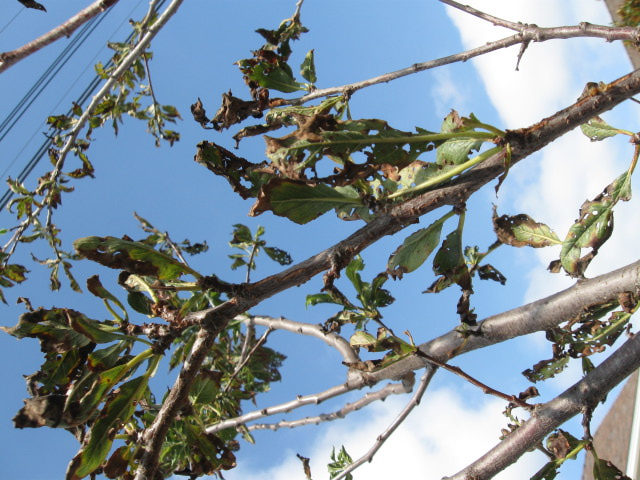
Bacterial Canker on Peach and Apple Trees: Identification and Management
Key Diagnostic Clue Sap oozing from split, peeling bark with a fermented, alcohol-like smell strongly indicates bacterial canker (often Pseudomonas syringae or Erwinia amylovora). This infection enters through wounds—com
Reviving a Stressed Indoor Dracaena
Why Leaves Turn Yellow and Brown Your Dracaenas symptoms—yellowing, browning, leaf drop with new growth at the top—are classic signs of indoor environmental stress, not disease. The most common culprits: Low humidity: H
Bougainvillea Fungal Leaf Spot: Diagnosis and Recovery Plan
Recognizing the Symptoms Black spots on leaves, followed by flower and leaf drop, point to a fungal leaf spot disease—common in bougainvillea during humid, wet conditions. The pathogen spreads via water splash, contamina
Large Knot on Tree: Crown Gall or Callous Tissue?
What That Knot Likely Is A large, woody knot on a mature tree—especially near the ground—usually indicates one of two things: Crown gall: Caused by the bacterium Agrobacterium tumefaciens, this creates tumor-like growth
Deodar Cedar Needles and Roof Damage: What Homeowners Should Know
The Chemistry Behind the Damage Deodar cedar (Cedrus deodara) needles contain resinous compounds that, as they decompose, release chemicals capable of degrading asphalt shingles. This isnt a fungal or rot issue—the needl
Diagnosing White Spots on Rosemary and Mint Plants
Identifying the Problem You recently noticed your rosemary plant developing small, pinprick-sized pale white dots across its leaves, and now the nearby mint plant shows similar symptoms—washed-out, blotchy foliage. This
Cottony Cushion Scale on Acer in Rome: Dormant Oil and Crawler Timing
Cottony cushion scale on a maple (Acer) in Rome requires treatment timed to the crawler stage. Adults under waxy sacs are pesticide-resistant. Indoor vs. Outdoor If potted and movable, place outdoors—natural predators (
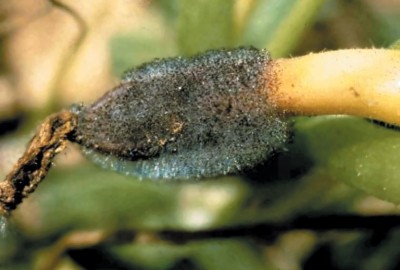
Jade Plant Black Spots and Leaf Drop: Sooty Mold from Scale
Sudden black spots and leaf drop on multiple jades suggest sooty mold growing on honeydew from a scale infestation—not a primary fungal disease. Identify Scale Look for 1/8 inch oval discs on stems/leaves (off-white to
Lilac Leaf Curl After Bloom: Check for Waterlogging First
Lilac leaves turning dark, dry, and curling backward after flowering often signals root rot from poor drainage—not a foliar disease. Simple Soil Test Squeeze a handful of soil from the base. If water drips out, it’s too
Tiny Soil Insects in Clivia: Likely Harmless, But Monitor Plant Health
Minute, fast-moving insects in Clivia soil that flee when disturbed are often harmless soil dwellers (springtails, mites)—not pests unless the plant shows symptoms. Check for Plant Stress Yellowing leaves (chlorosis)?
Spider Mites on Gardenia: Webbing and Microscopic Bugs
Spiderweb-like substance on gardenia buds with microscopic white bugs = spider mites. They suck sap, causing bud distortion and leaf drop. Organic Treatment Insecticidal soap: thorough coverage, repeat weekly. Neem oil
Cottony Cushion Scale on Indoor Lemon: Identification and Control
Tiny yellowish worms and popcorn-like white masses on an indoor lemon are cottony cushion scale—a sap-sucking insect. The “worms” are crawlers; the “popcorn” is the adult female’s egg sac. Control Steps Scrub off adult
Fungus Gnats in Dwarf Banana Office Plants: Dry Soil and Fly Paper
Tiny flies hovering over office banana plants are fungus gnats breeding in moist, organic potting mix. They don’t harm plants much but are annoying. Best Control Let soil dry 1 inch deep between waterings. Bananas tole
English Ivy Stunted Growth: Salt Buildup, Root Bound, or Disease?
English ivy that branches then dies at the tips may suffer from salt accumulation in old potting soil, root binding, or root disease—not necessarily nutrient deficiency. Diagnosis Steps Check symptoms before dieback: y
Robellini Palm Browning: Root/Crown Rot from Excess Water
One of two Robellini palms turning brown in South Florida suggests root or crown rot from overwatering, especially if the affected plant is in a lower or wetter spot. Treatment Check soil moisture—reduce watering if so
Peach Tree Amber Resin: Borer Infestation
Thick amber resin on a productive peach tree trunk and branches is a classic sign of peach tree borers. The resin is the tree’s response to larval tunneling. Organic Control Insert a sewing needle into the resin holes
Jasmine Tree Leaf Drop: Cold Snap, Water, or Insects?
An 8-month-old jasmine (likely lakeview or orange jasmine) in Port St. Lucie dropping 85% of leaves after a 40°F night may be reacting to cold shock, underwatering, or insects. Checklist Cold: Jasmines in Sarasota surv
Copyright © www.100flowers.win Botanic Garden All Rights Reserved